From Smartphones to Impressionism: Maymester Students Explore AI as an Artistic Tool
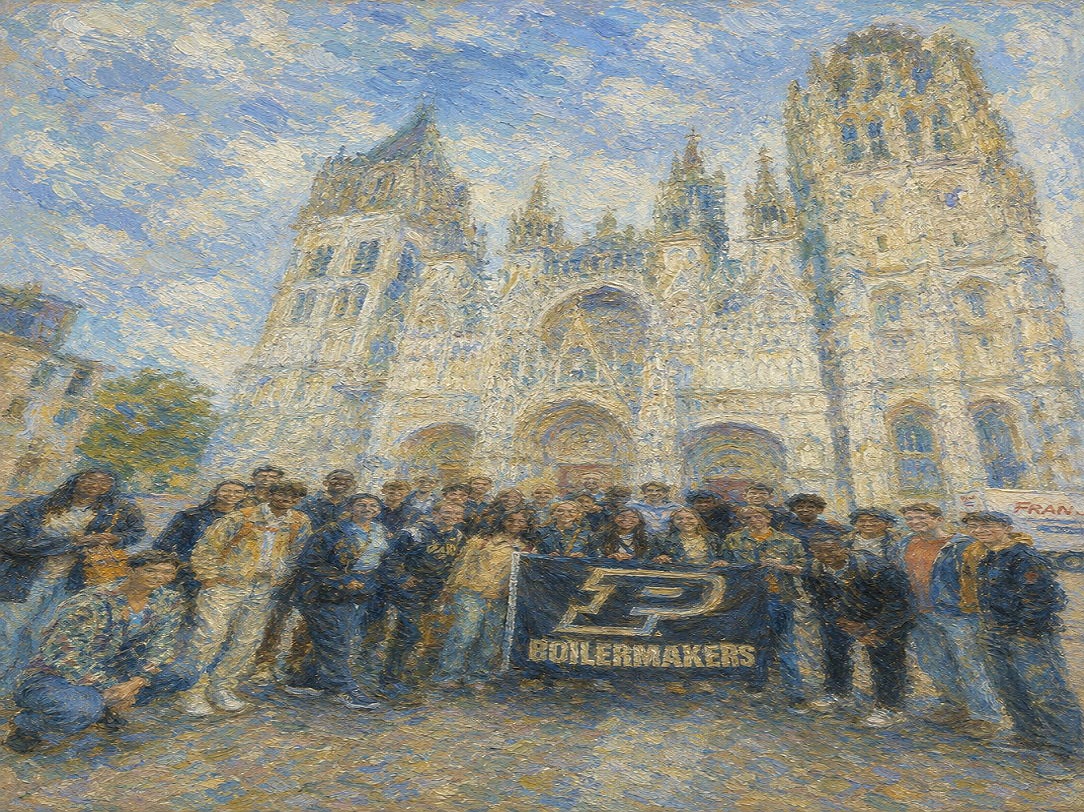
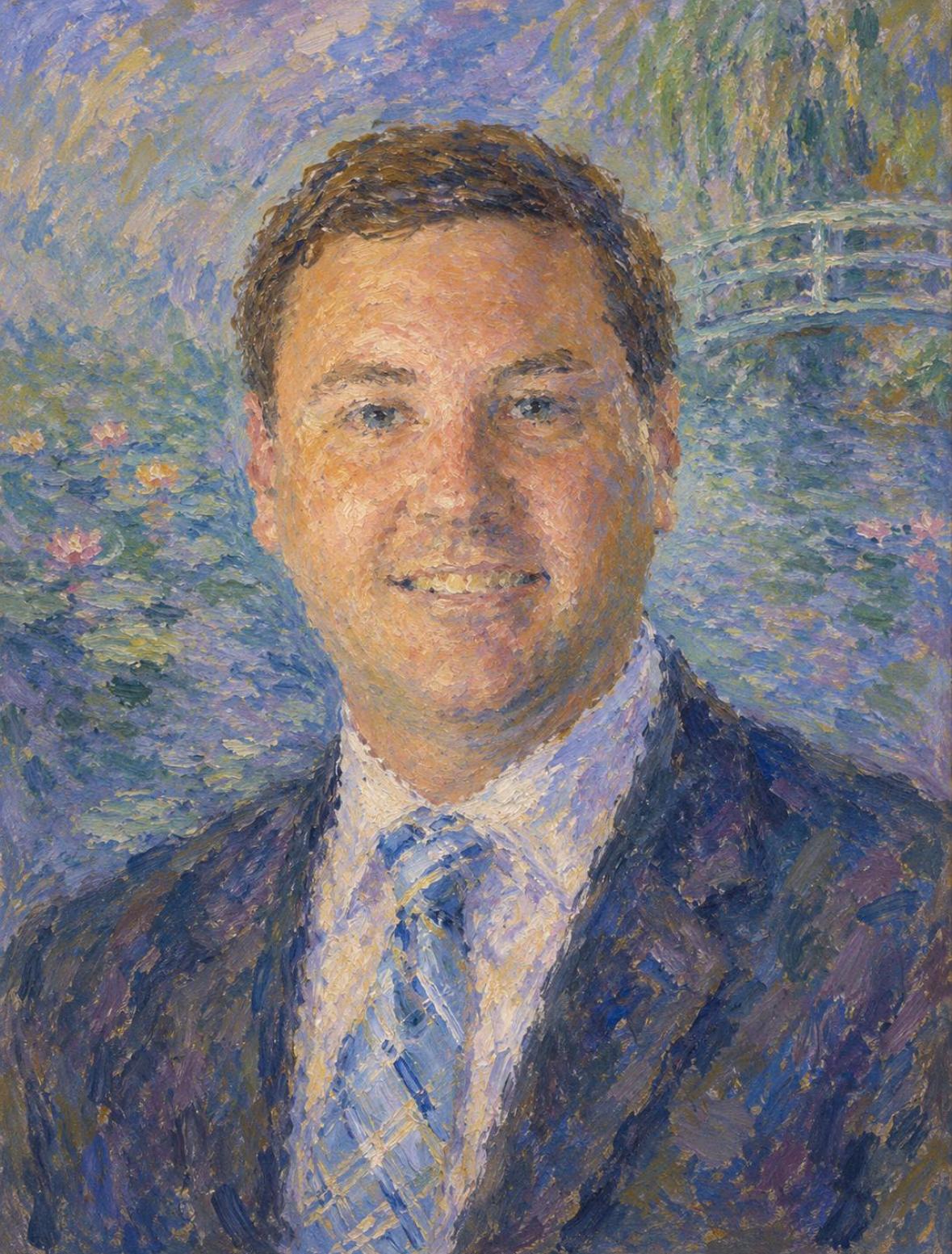
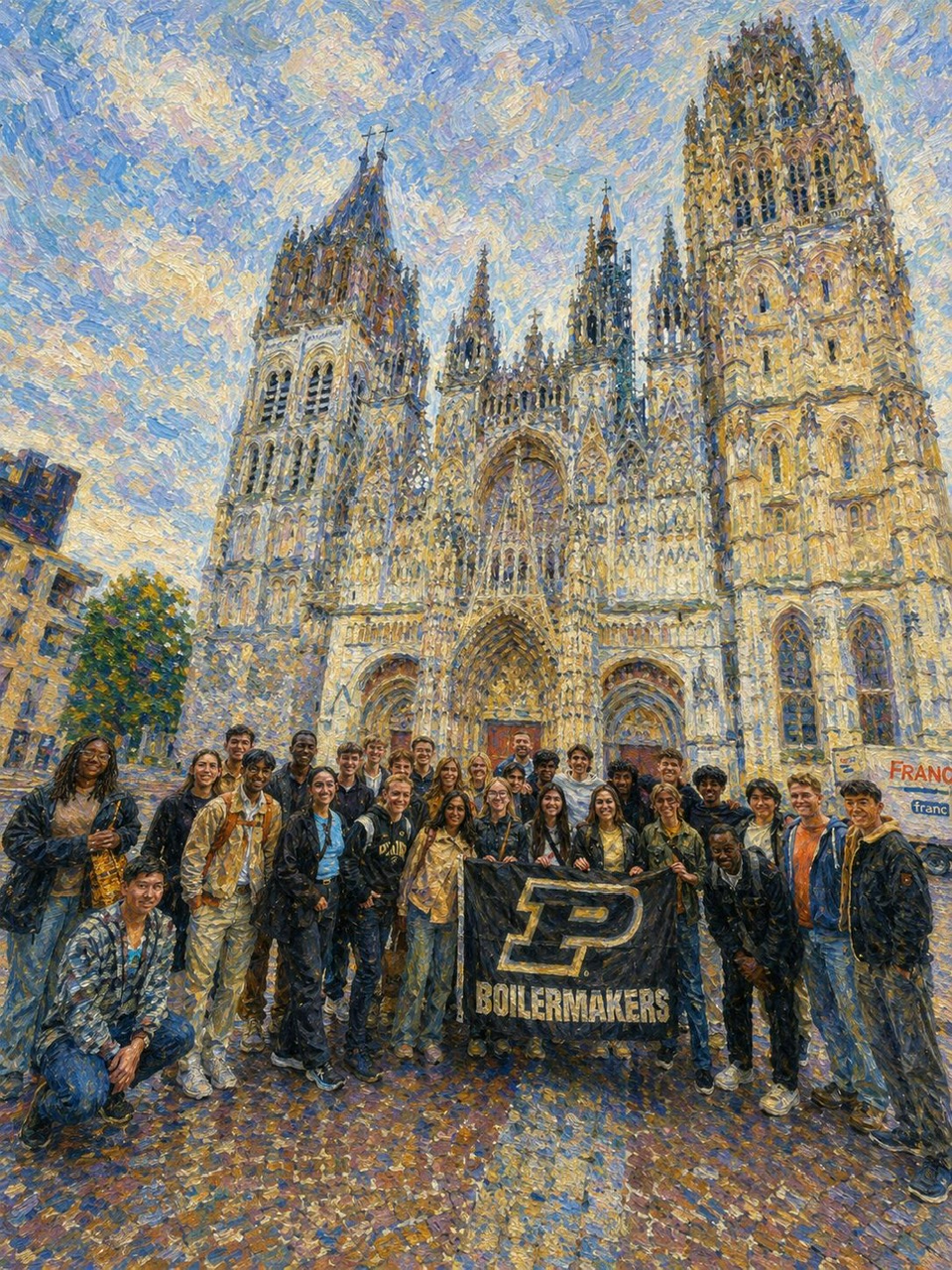
During the 2026 Additive Manufacturing and Art in France Maymester, Purdue students explored an unexpected extension of the program’s central theme: using artificial intelligence to reinterpret everyday photographs from the trip in the visual language of Impressionism.
The idea emerged naturally from a course built around the relationship between art, technology, and ways of seeing. Students had already spent time studying how Impressionist painters used light, color, atmosphere, and fleeting moments to capture modern life in the nineteenth century. AI offered them a way to ask a contemporary version of the same question: What does beauty in everyday life look like to this generation?
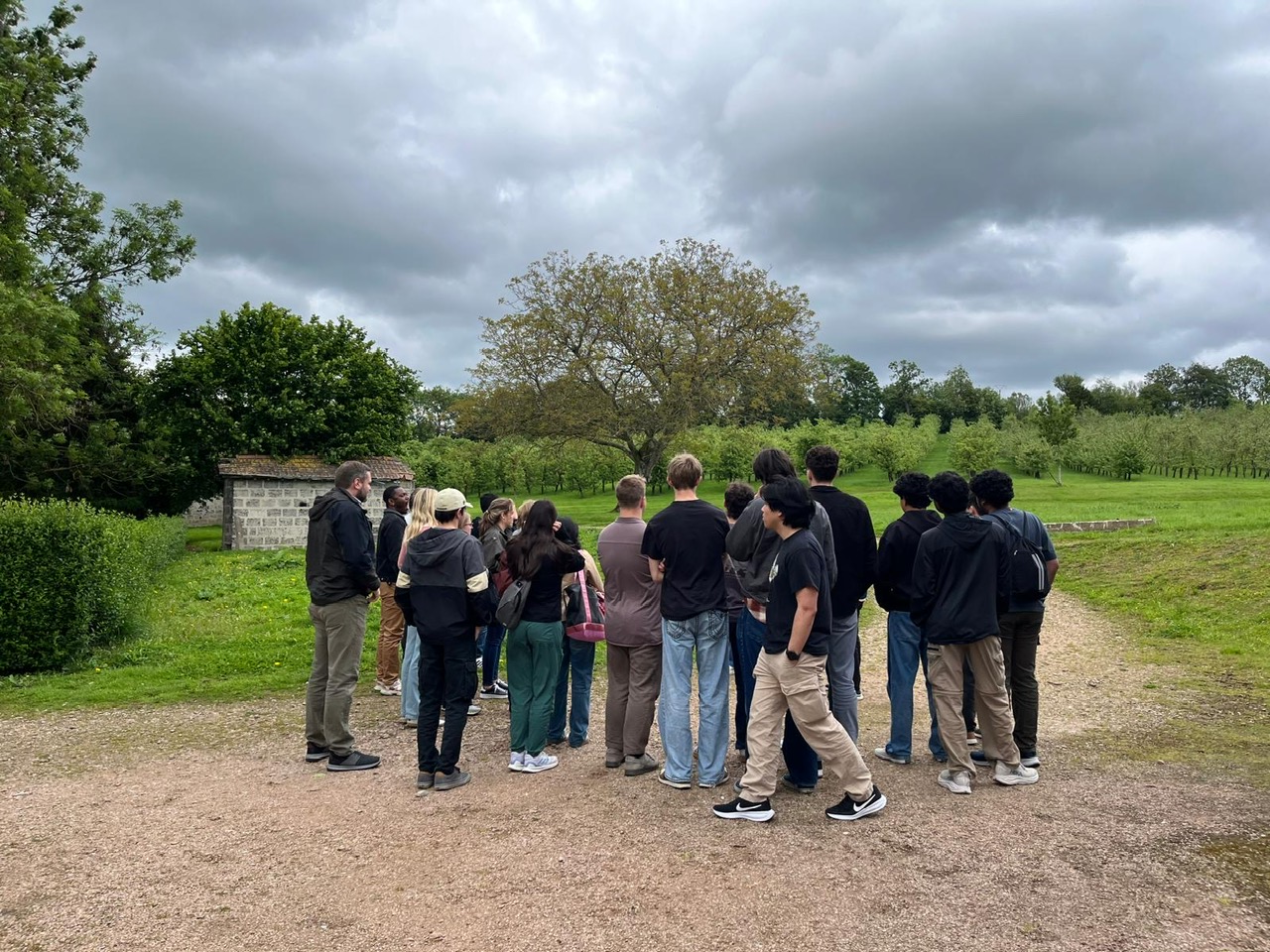
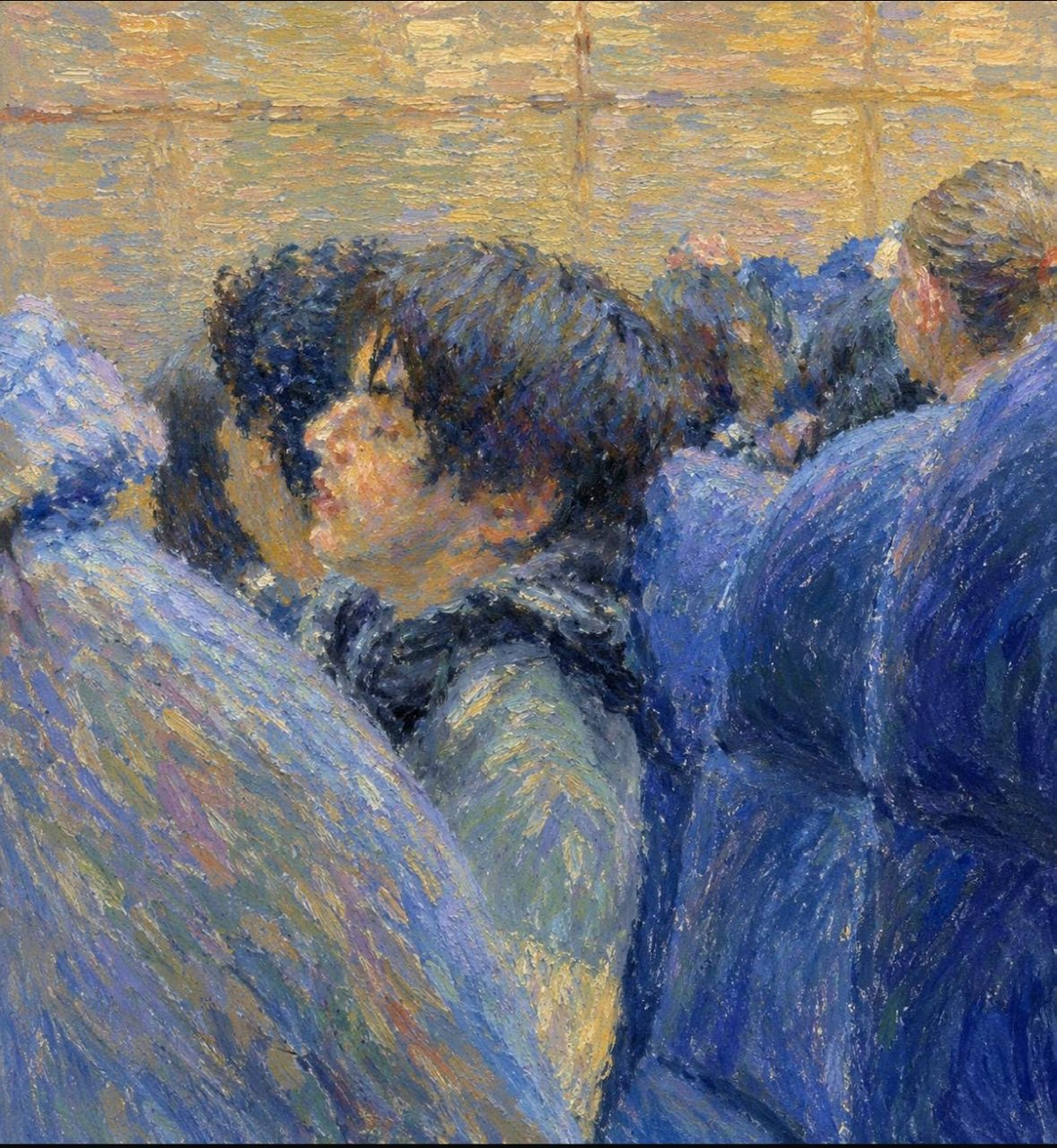
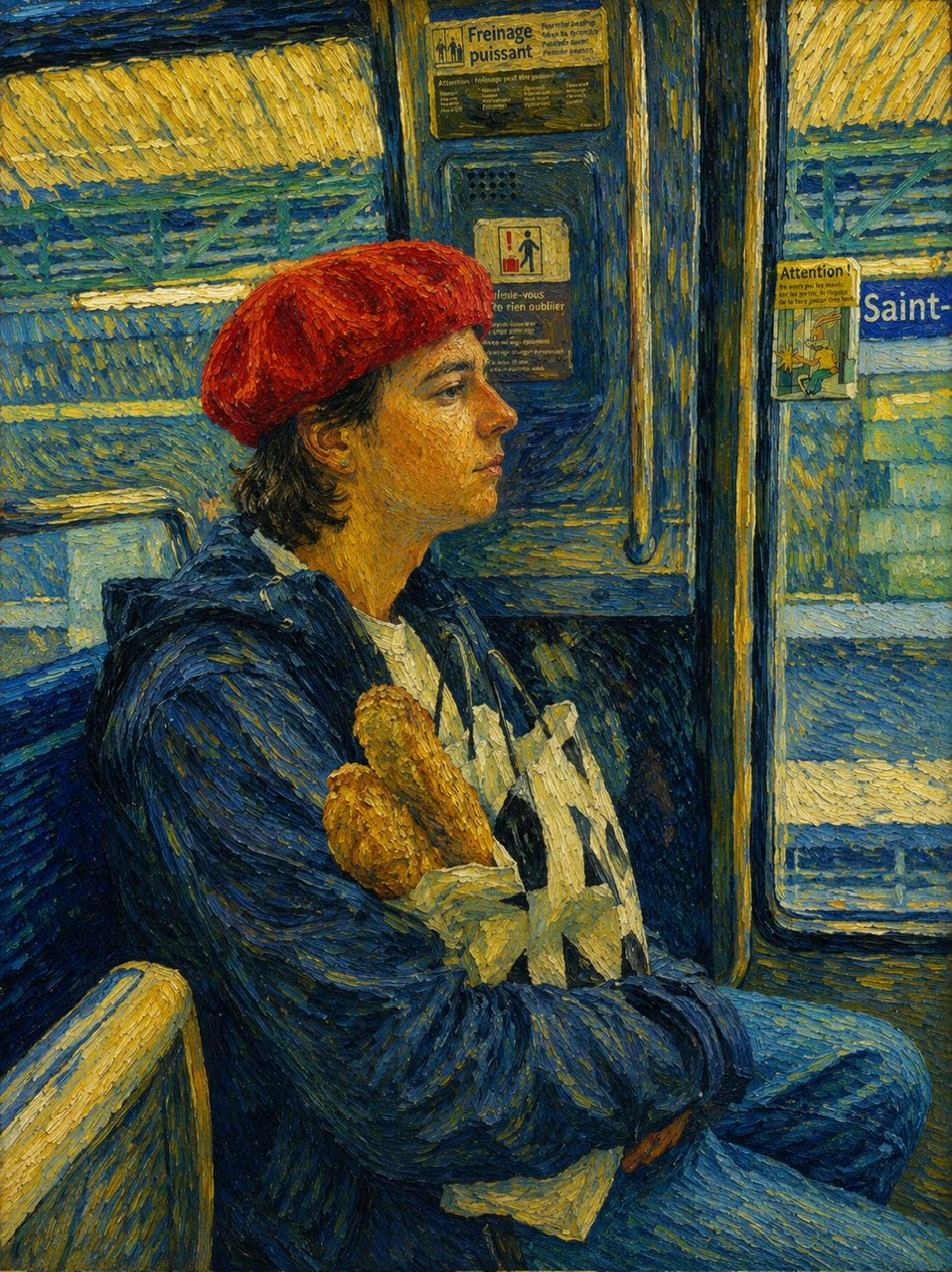
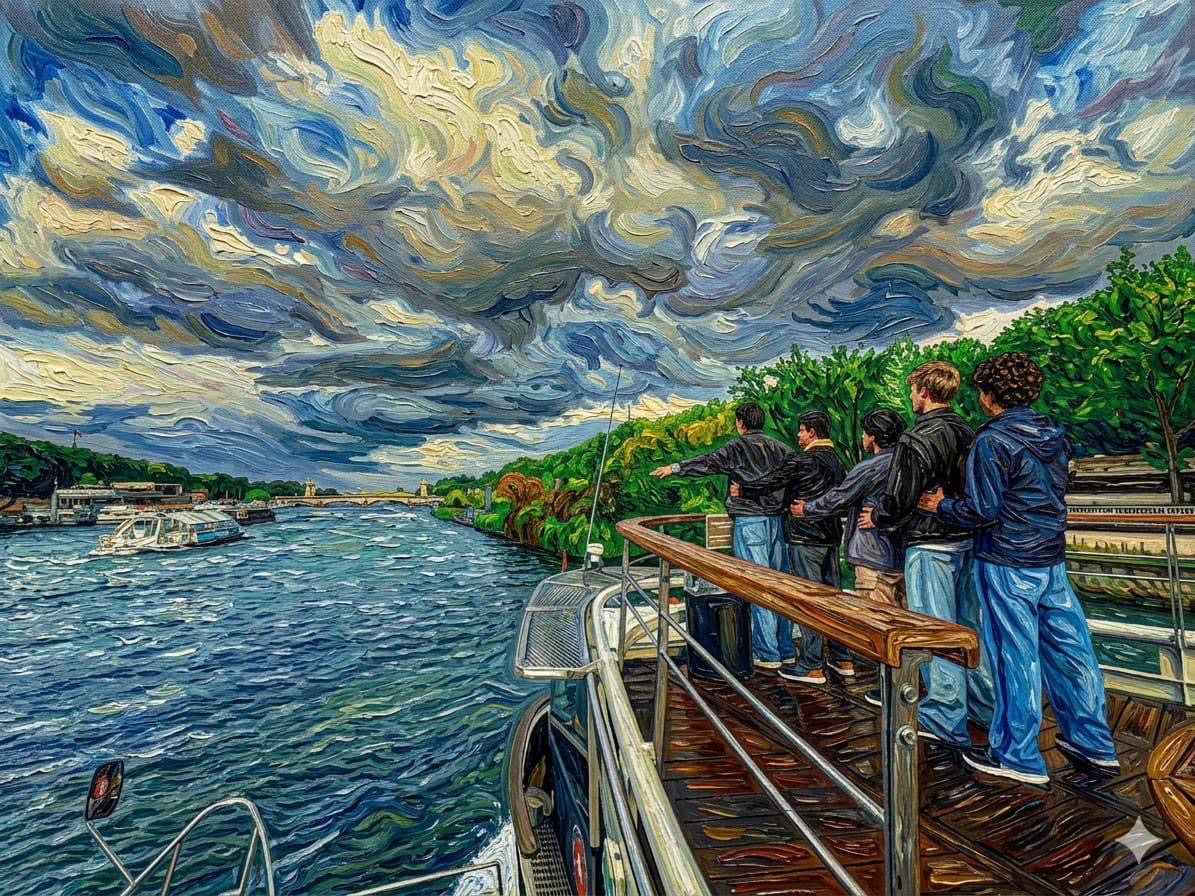
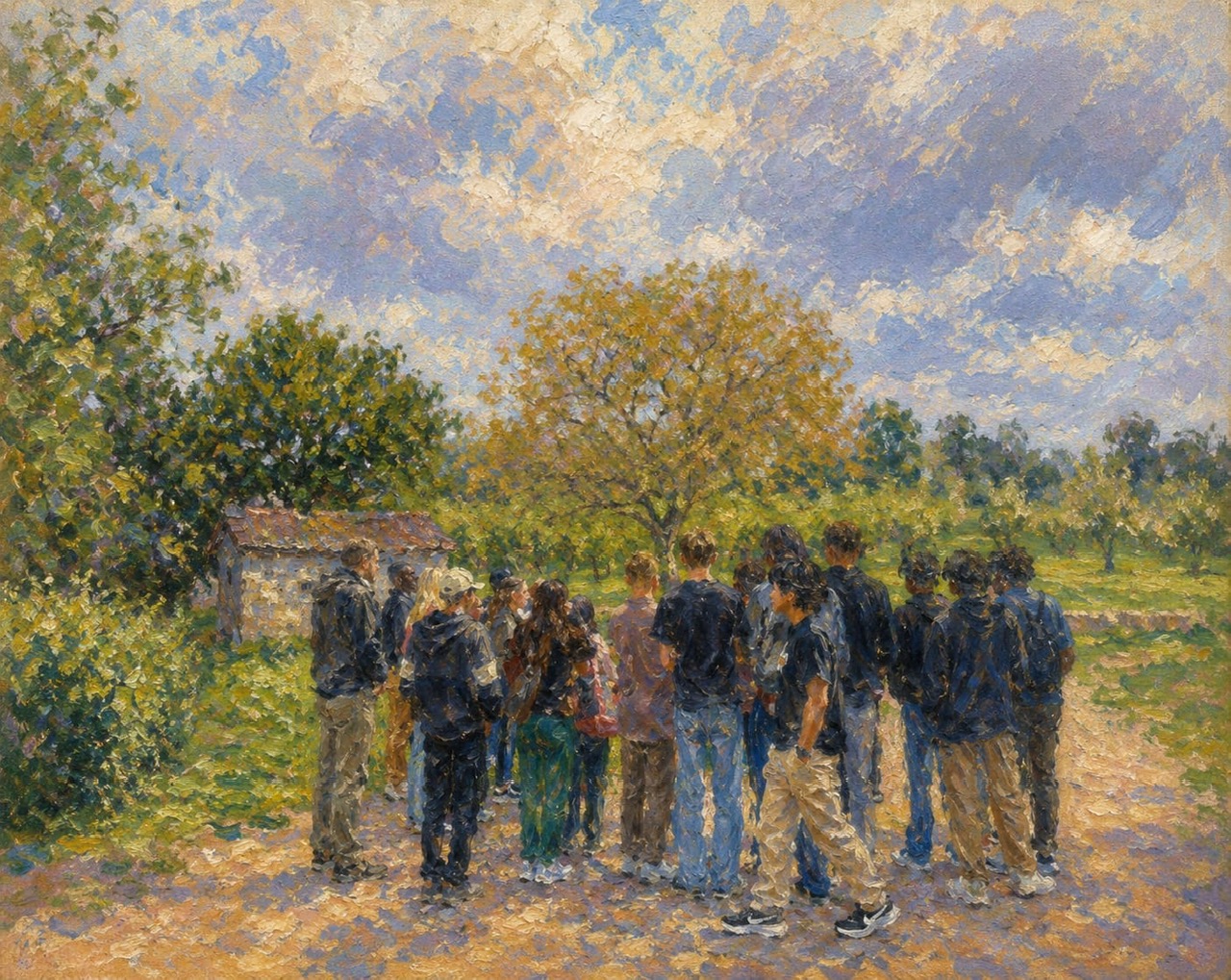
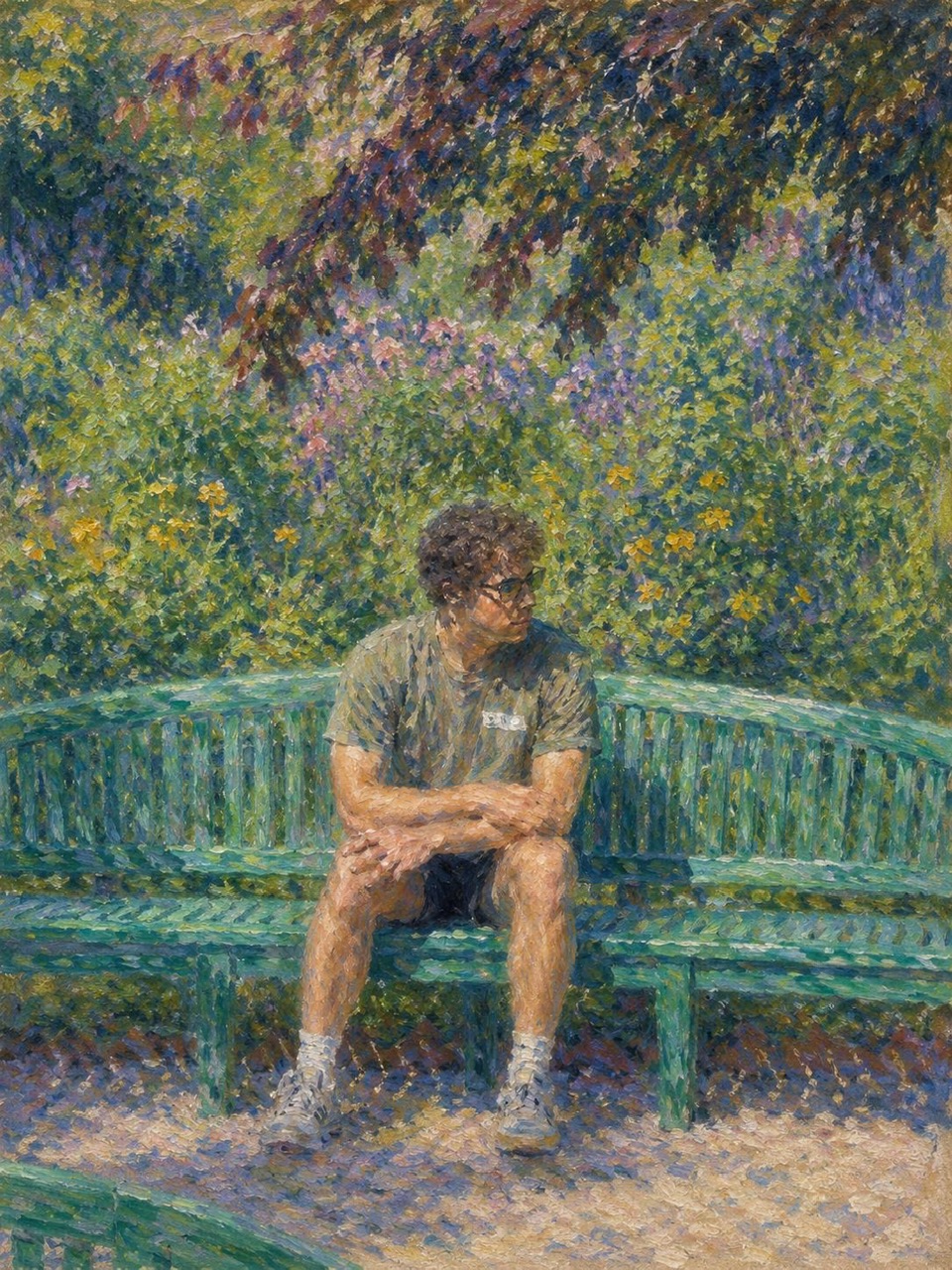
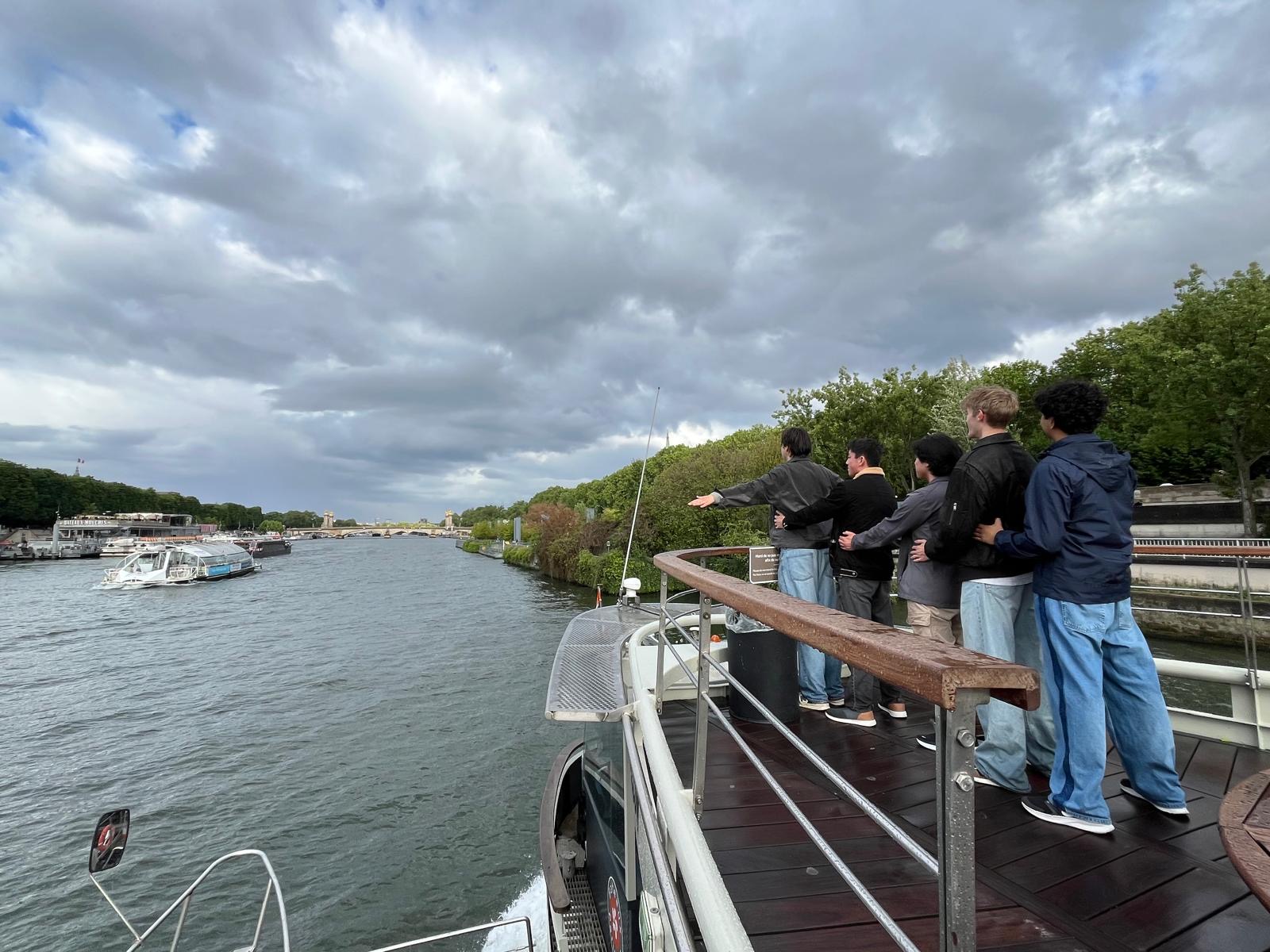
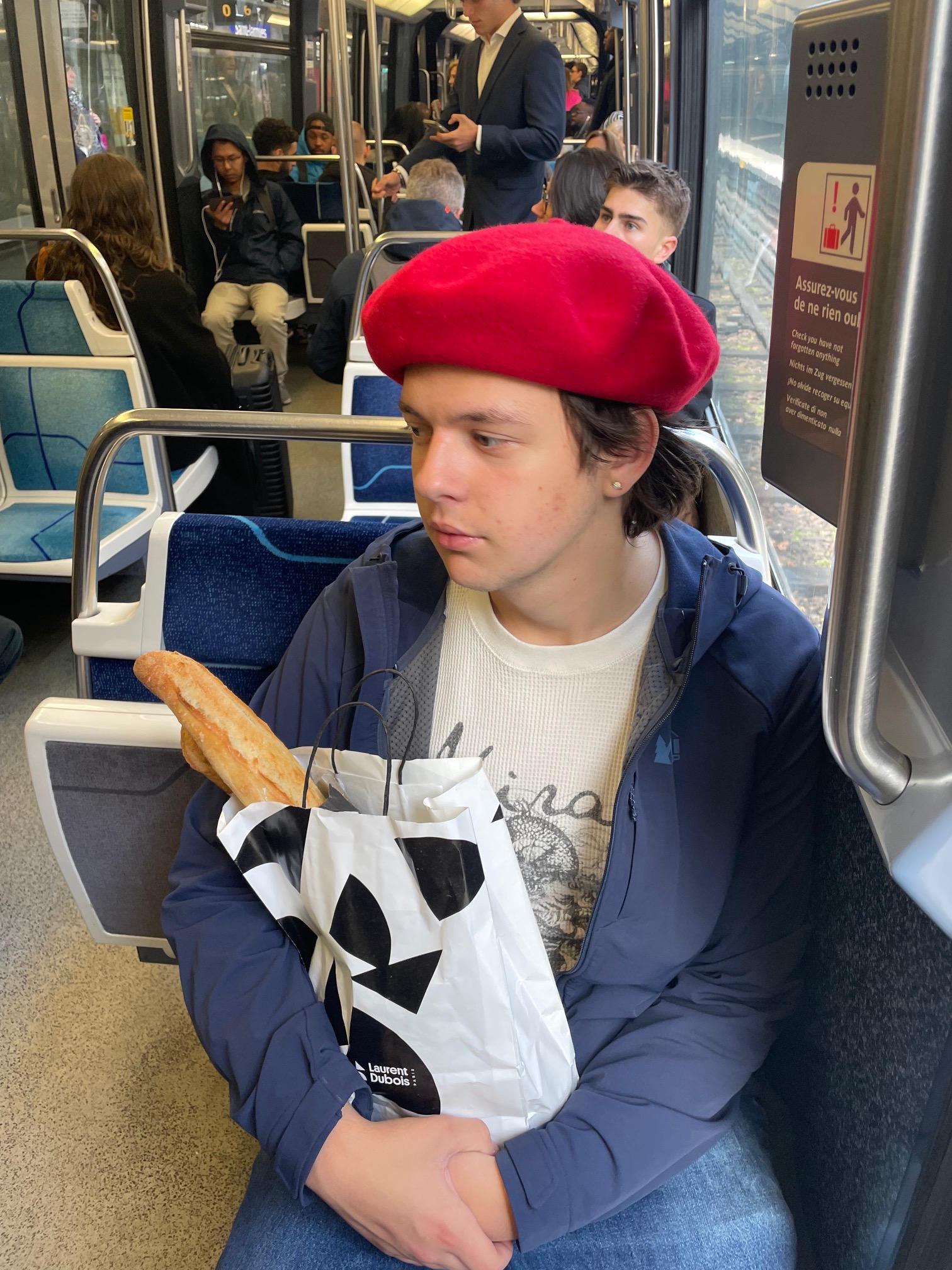
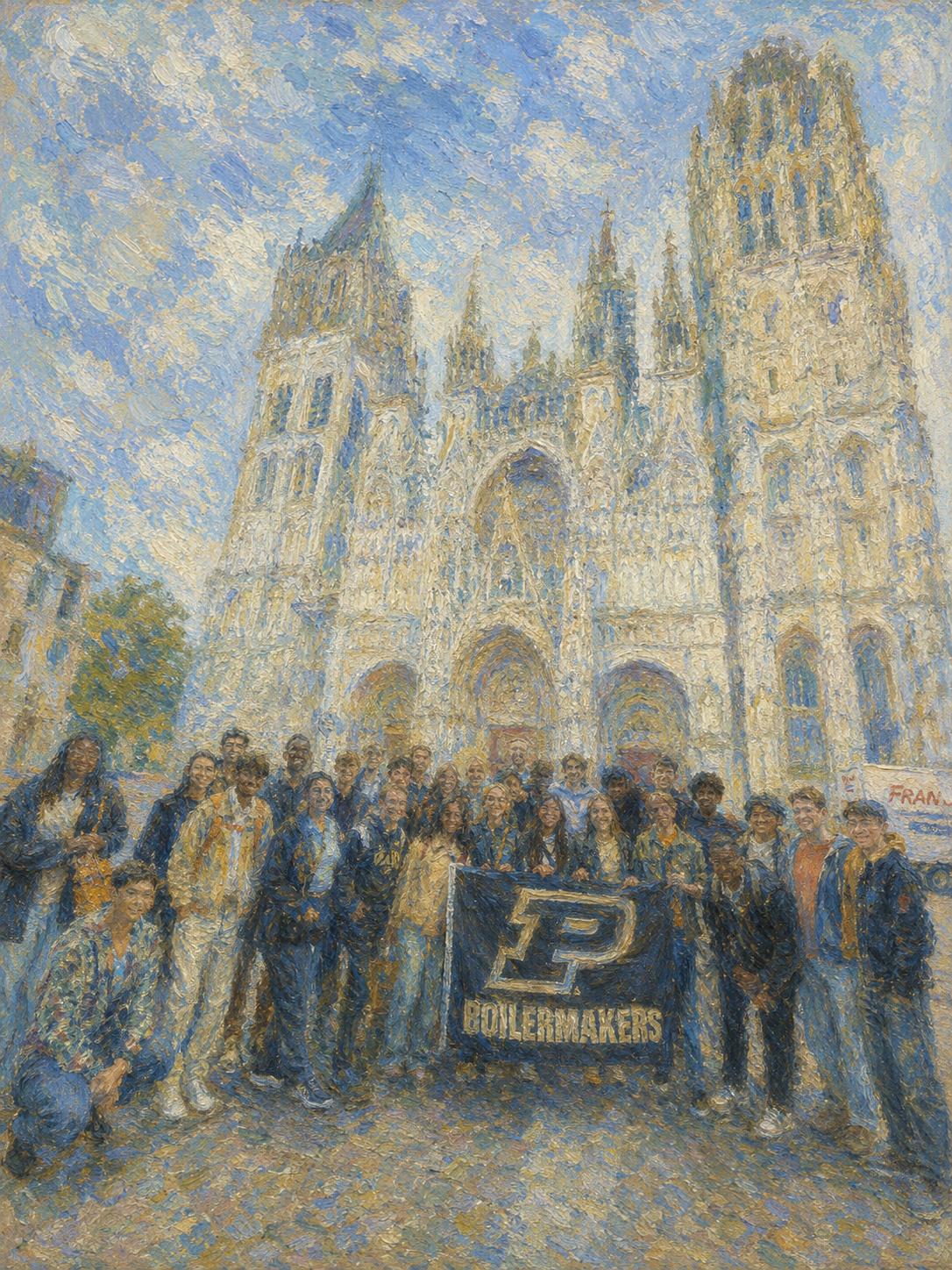
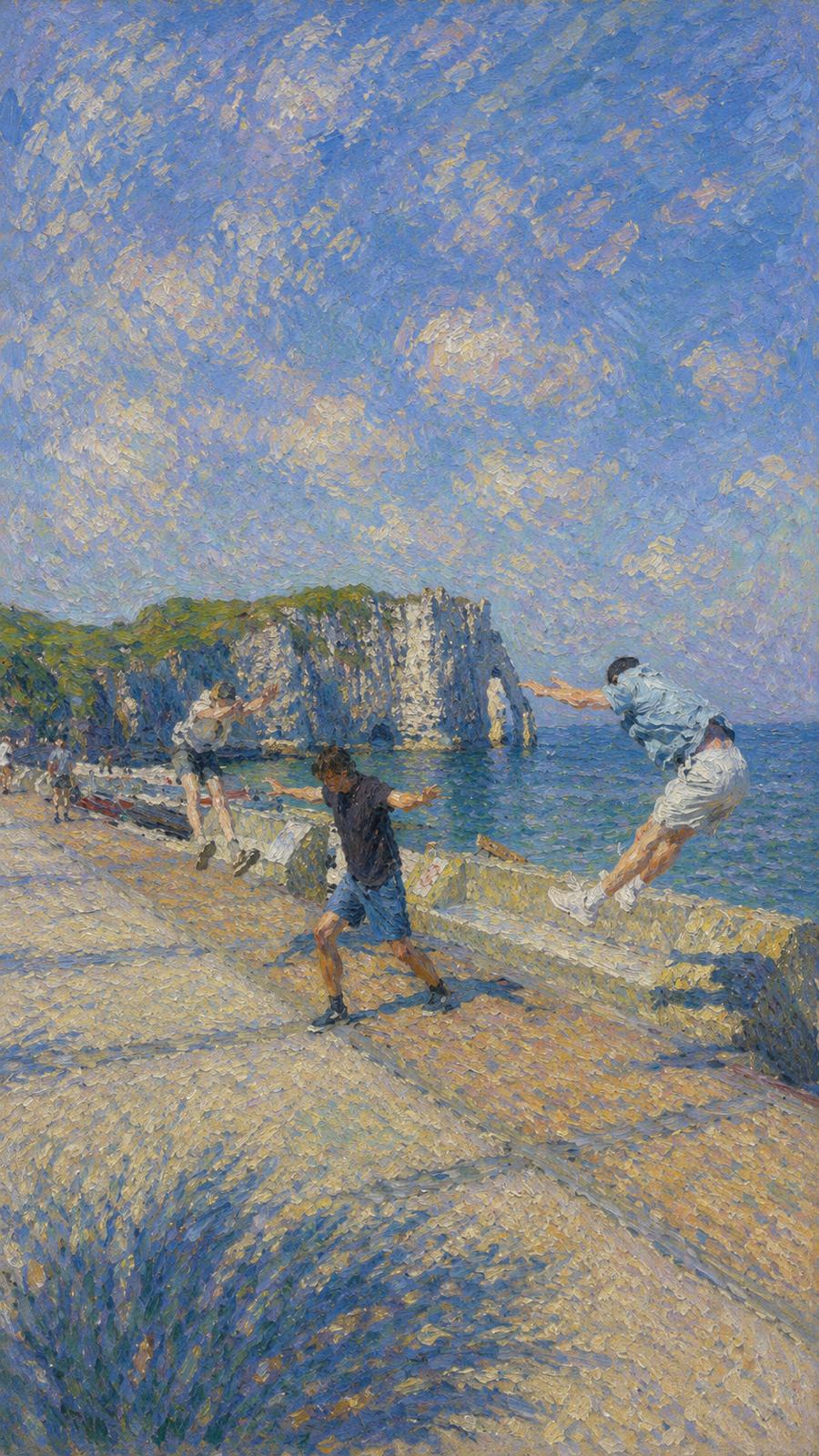
Students selected photographs from their own experiences in France and used generative AI to transform them into Impressionist-inspired paintings. A boat ride on the Seine became a scene of sweeping brushstrokes and dramatic sky. A student riding public transportation with a baguette and red beret was reimagined as a richly textured portrait. Other images placed modern people and objects into visual worlds that recalled the paintings students had encountered in museums and at Giverny.
What made the exercise especially interesting was not simply the style transfer. The original photographs were themselves choices. Students decided what moments were worth photographing—a friend on the Metro, classmates looking over the river, an ordinary scene encountered while moving through Paris. AI then became another layer in the process of interpretation.
The results prompted a broader discussion about creativity. Impressionist painters were once criticized for departing from accepted artistic conventions, and photography itself raised questions in the nineteenth century about whether a machine could threaten or diminish art. Generative AI has revived a similar debate. Some argue that an image produced with AI cannot truly be art because the machine removes the essential human act of making.
But the Maymester exercise raises another possibility: perhaps the human contribution has simply moved.
The students did not randomly receive these images. They traveled to France, encountered the scenes, chose where to point the camera, decided which moments mattered, selected how they wanted those moments reinterpreted, and judged whether the result captured what they were trying to express. The AI generated pixels, but the experience, selection, intention, and interpretation remained human.
That does not settle the question of whether AI-generated imagery should be called art—and perhaps it should not. Instead, it creates a useful question for students studying both engineering and art: Does art require a human hand, or does it require human intention?
For this Maymester, that uncertainty was part of the value. Students were able to look at contemporary France through both a nineteenth-century artistic language and a twenty-first-century technological lens. In doing so, they created images that say as much about their own generation as they do about Impressionism.
The exercise also reinforced one of the broader ideas behind From Light to Layers: technology does not simply change how things are made. It can change how people see, interpret, and communicate the world around them.
Image Gallery