From Light to Layers: 2026 France Maymester Connects Additive Manufacturing, Art, and Industry
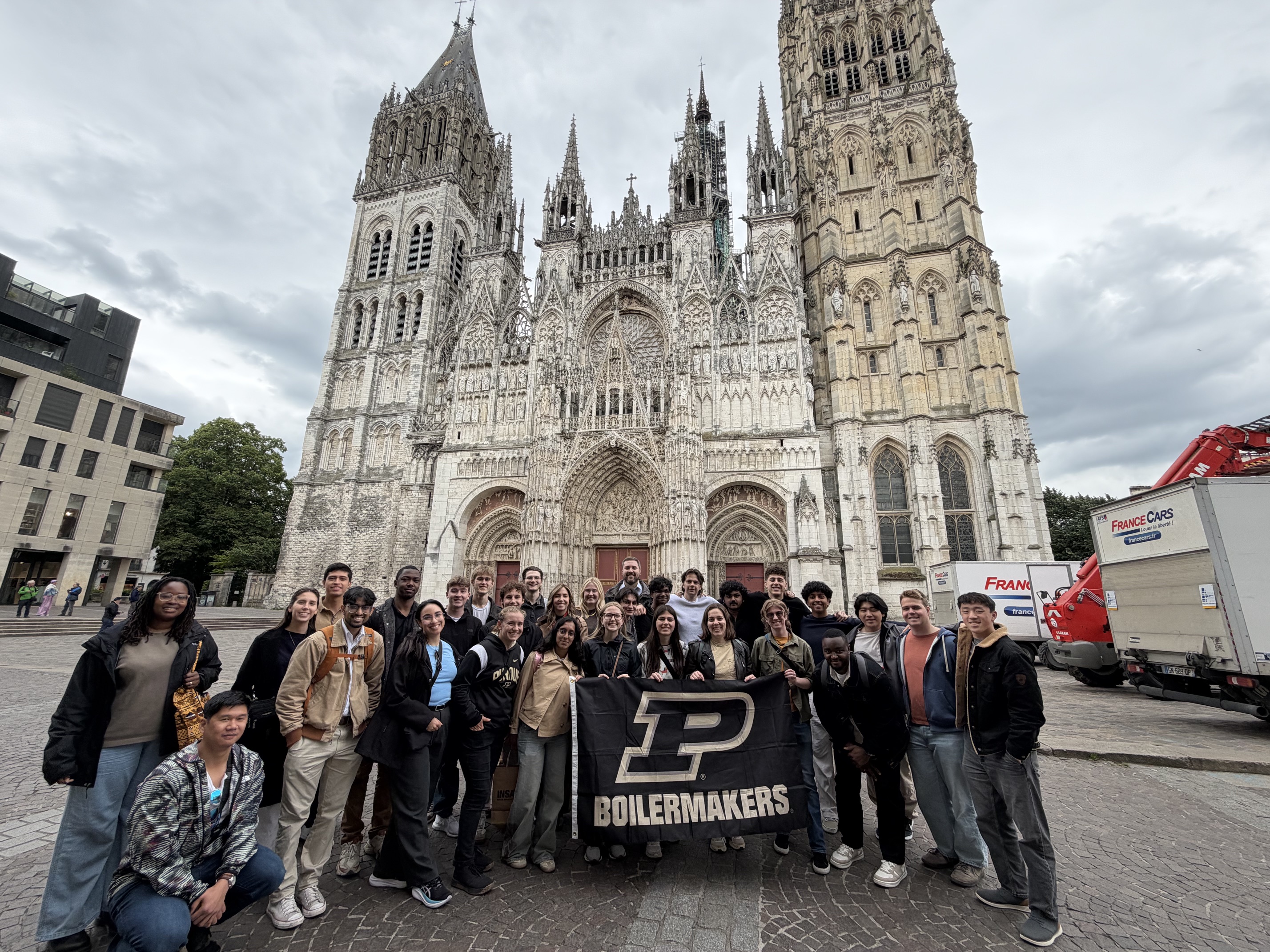
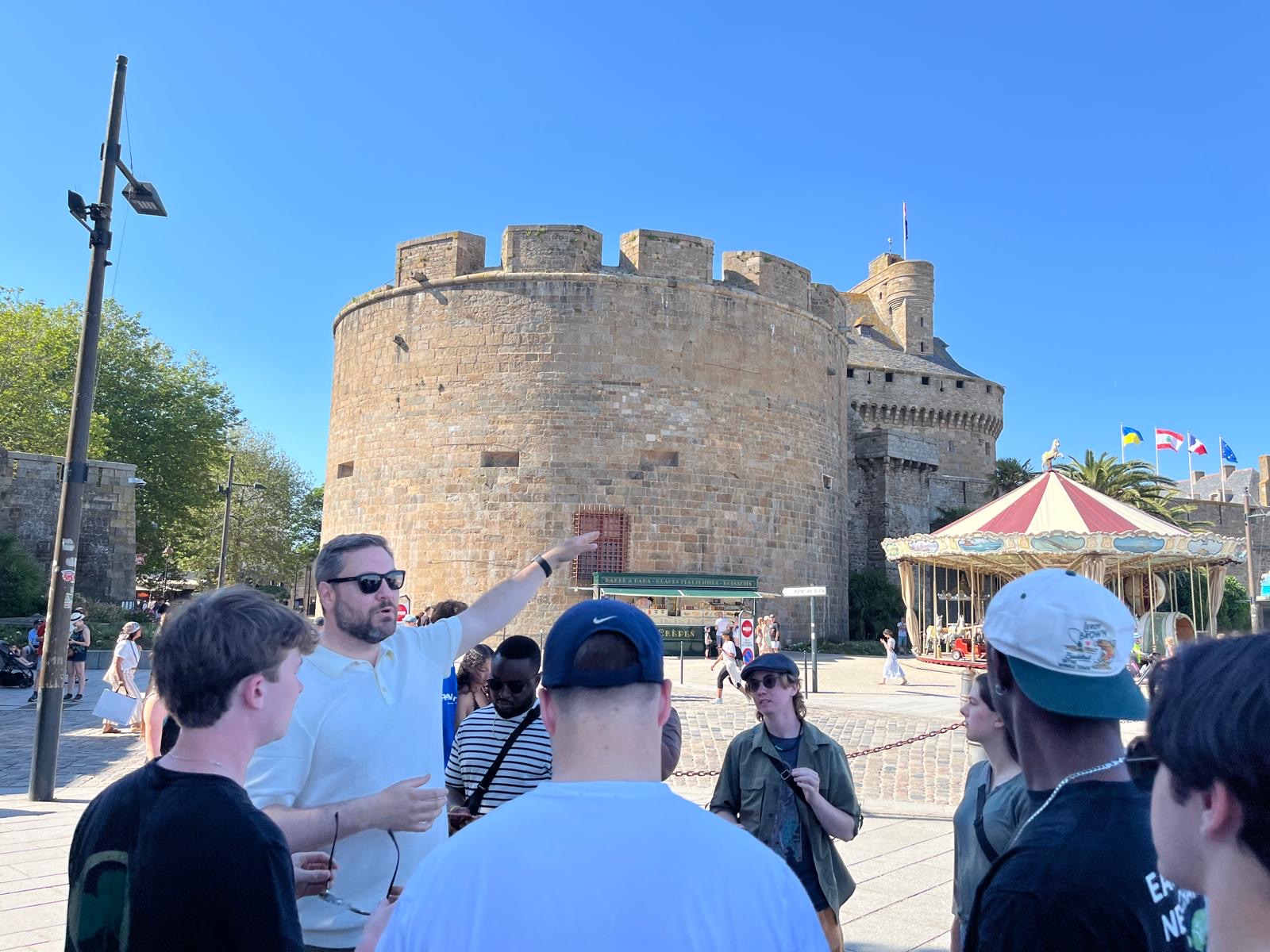
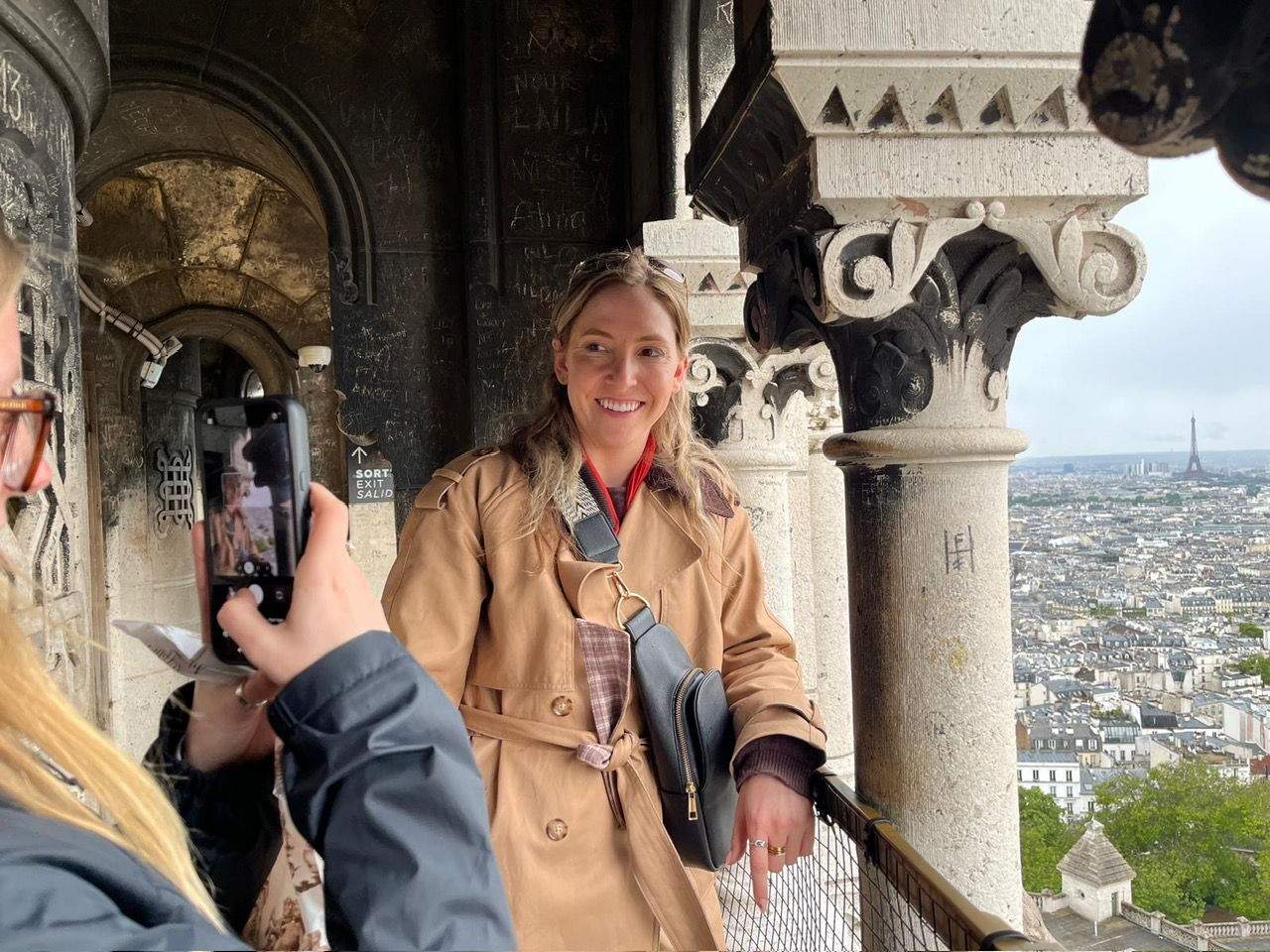
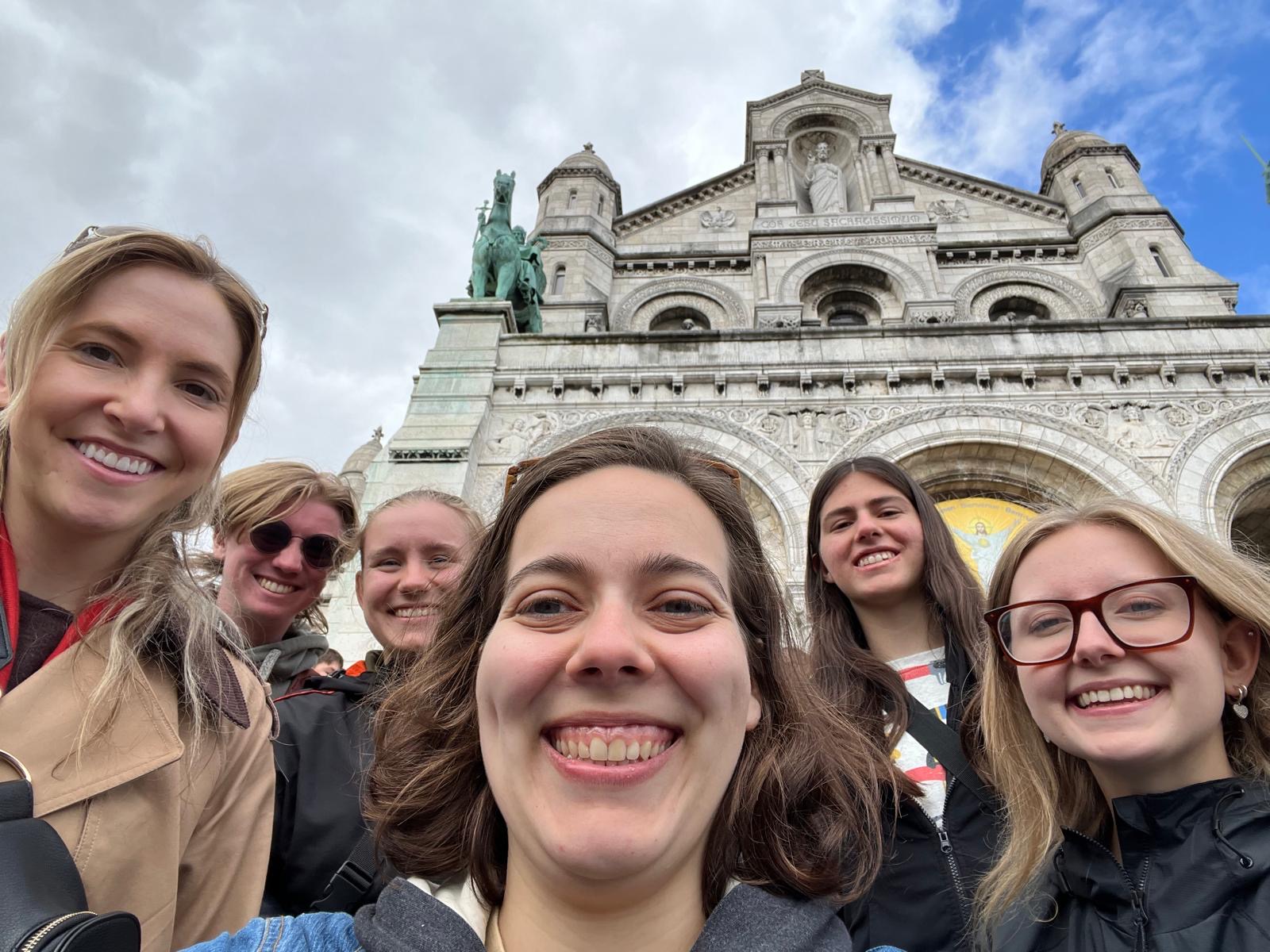
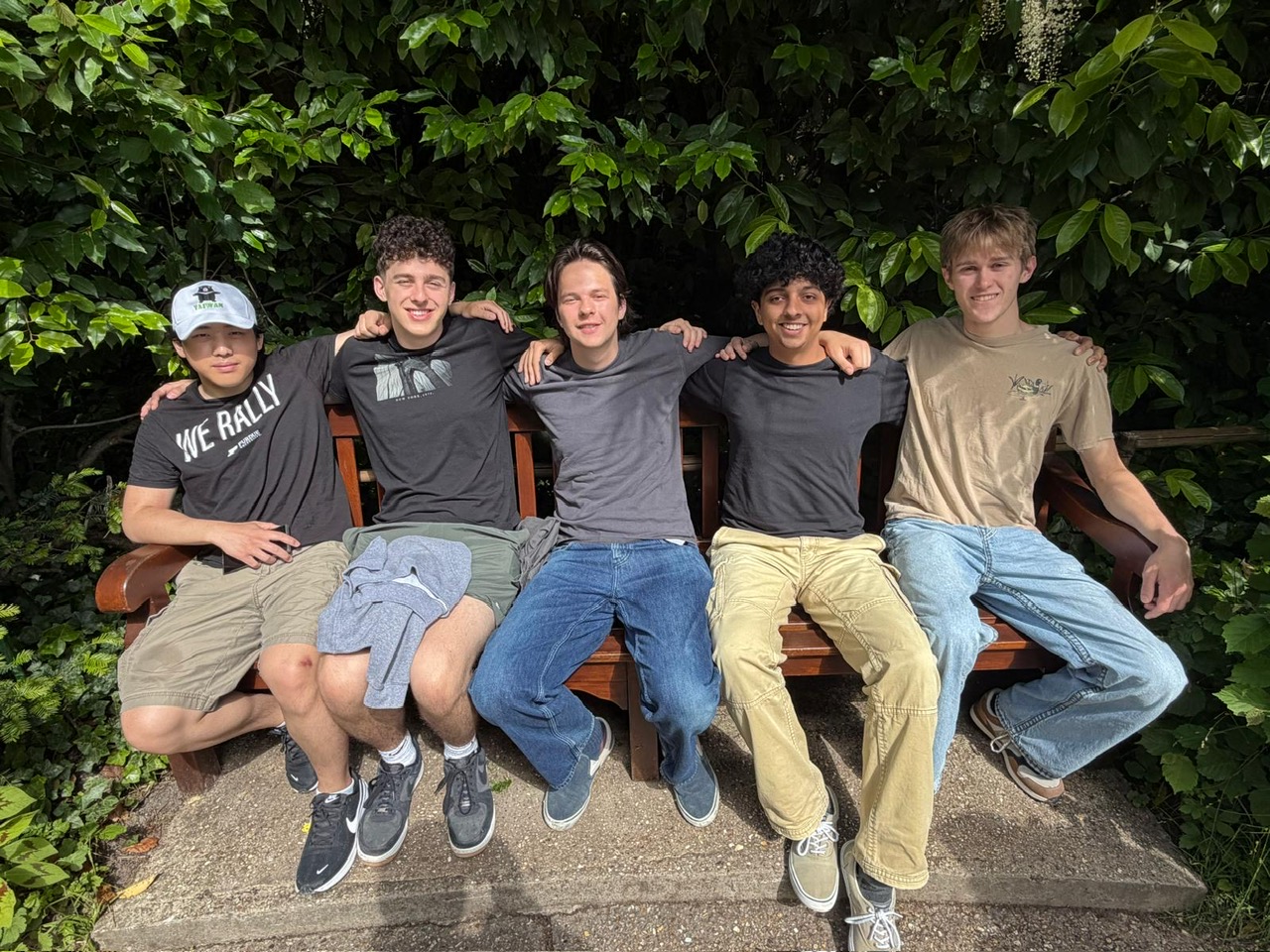
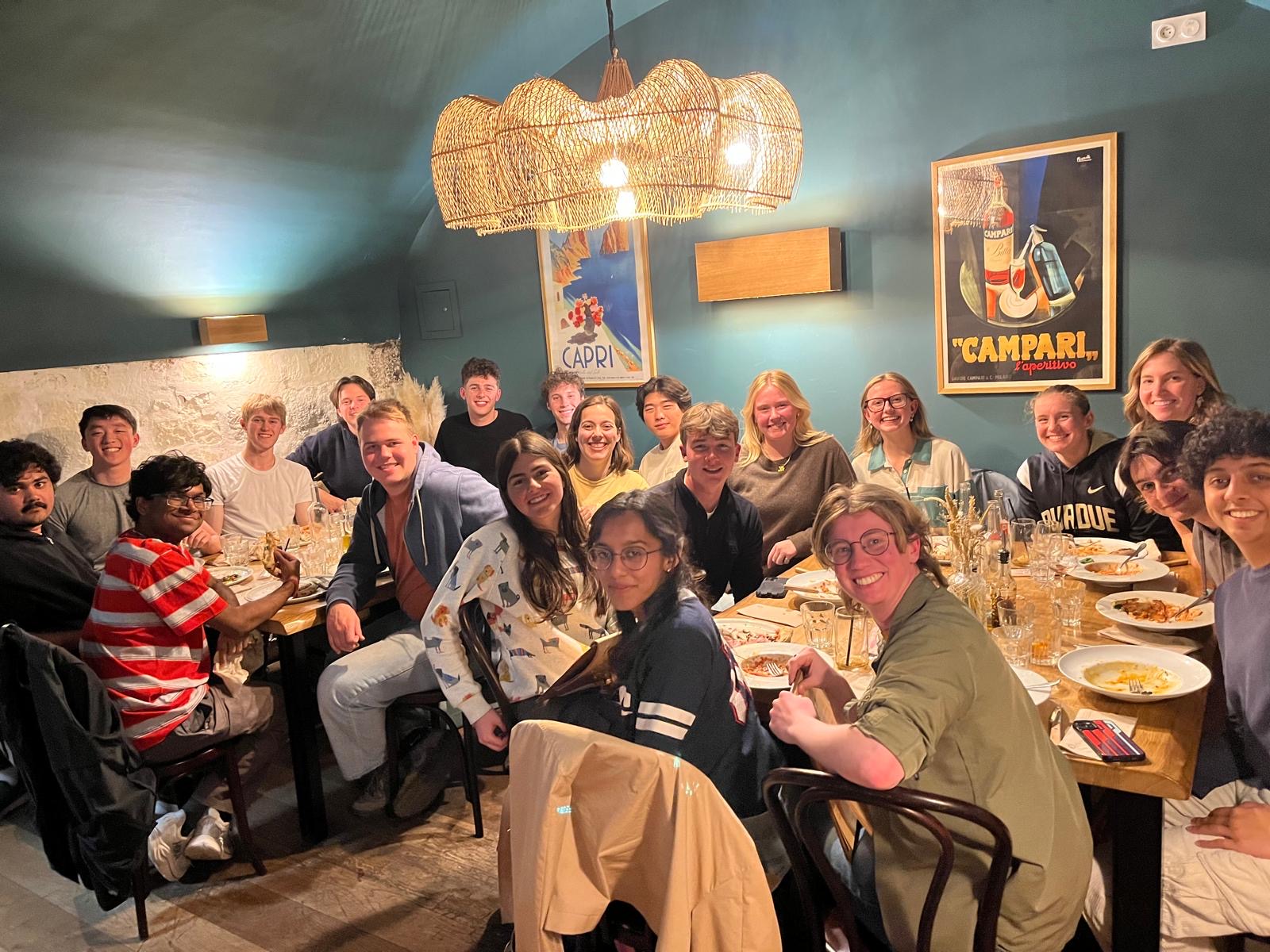
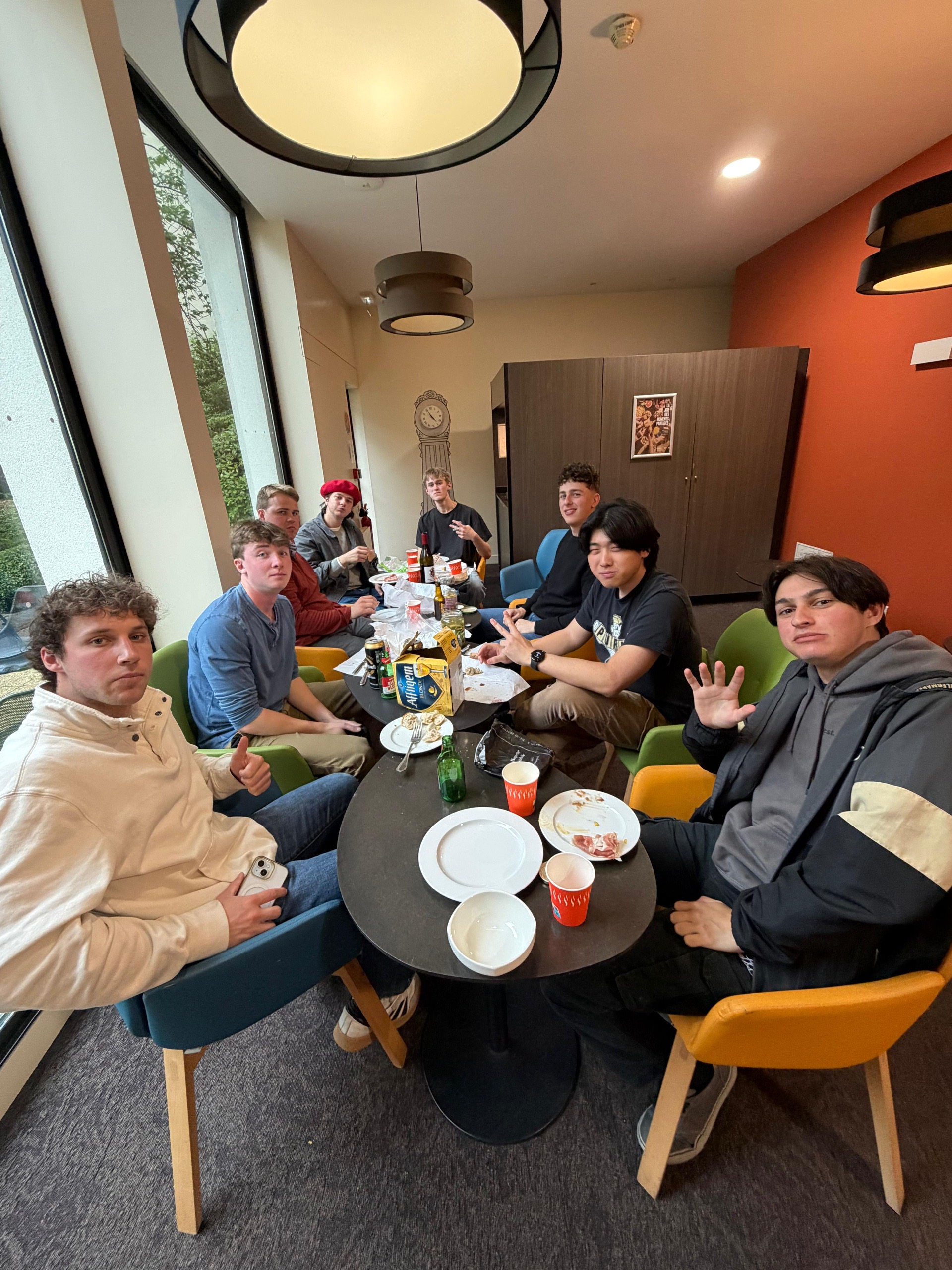
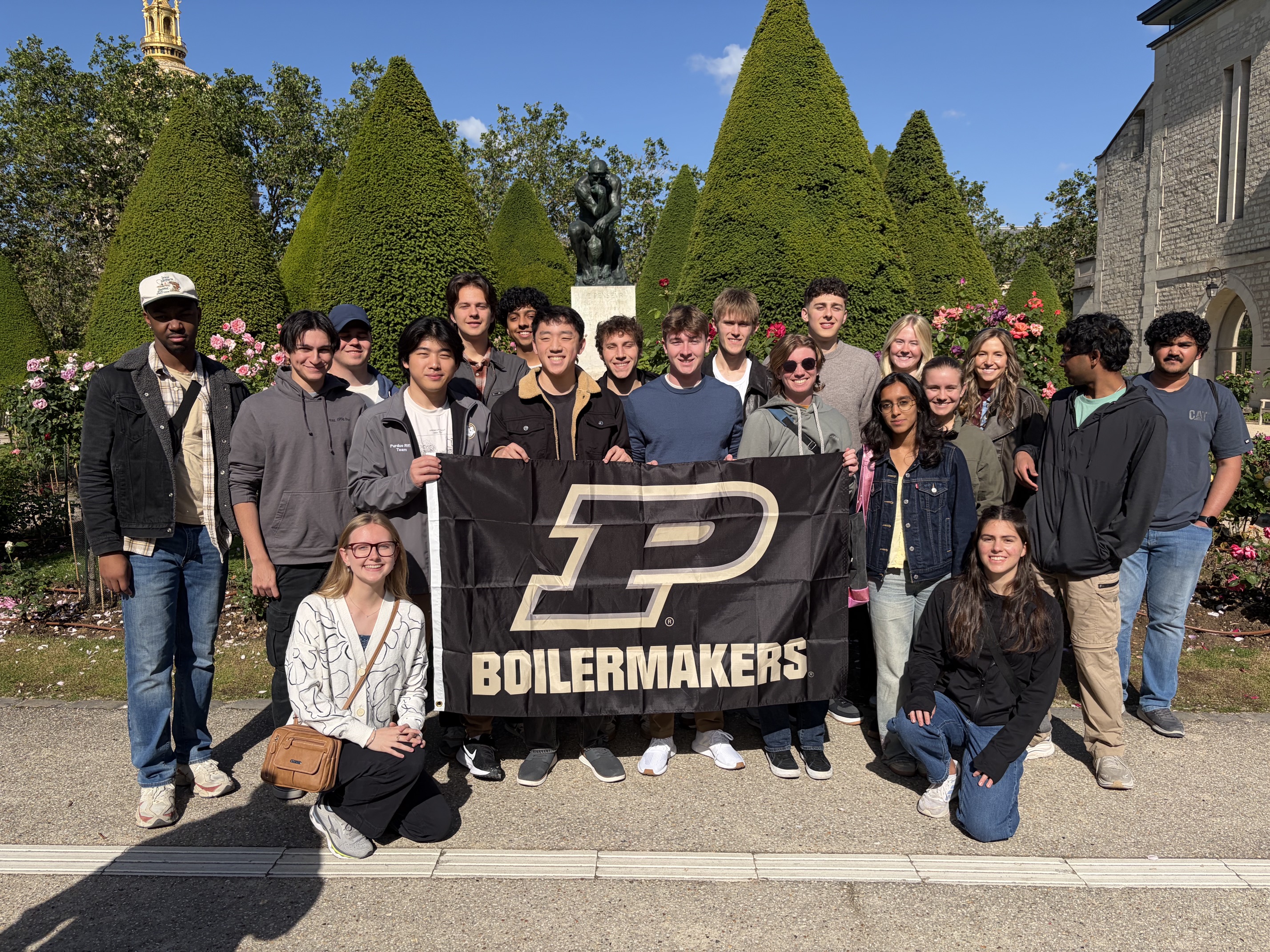
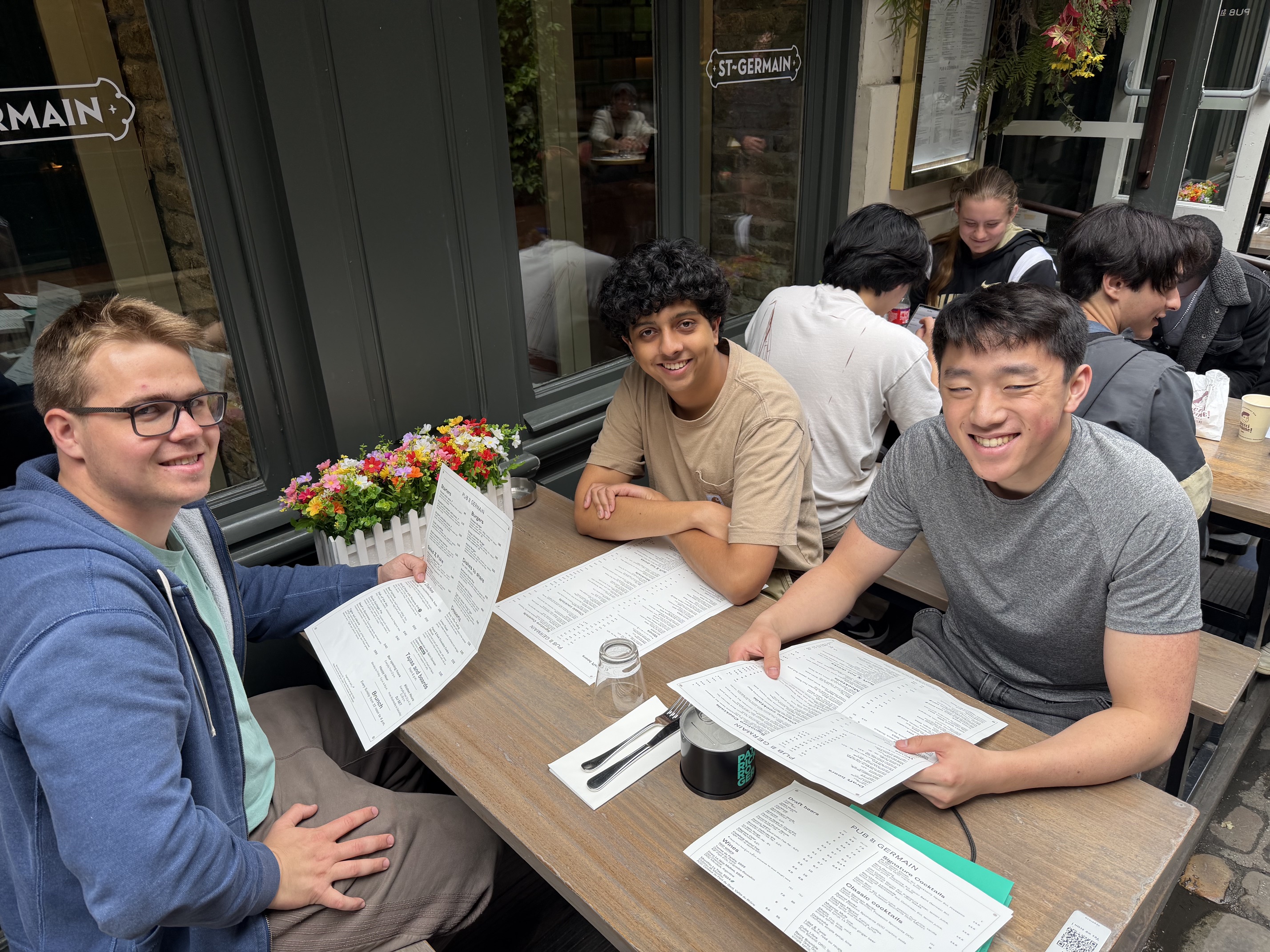
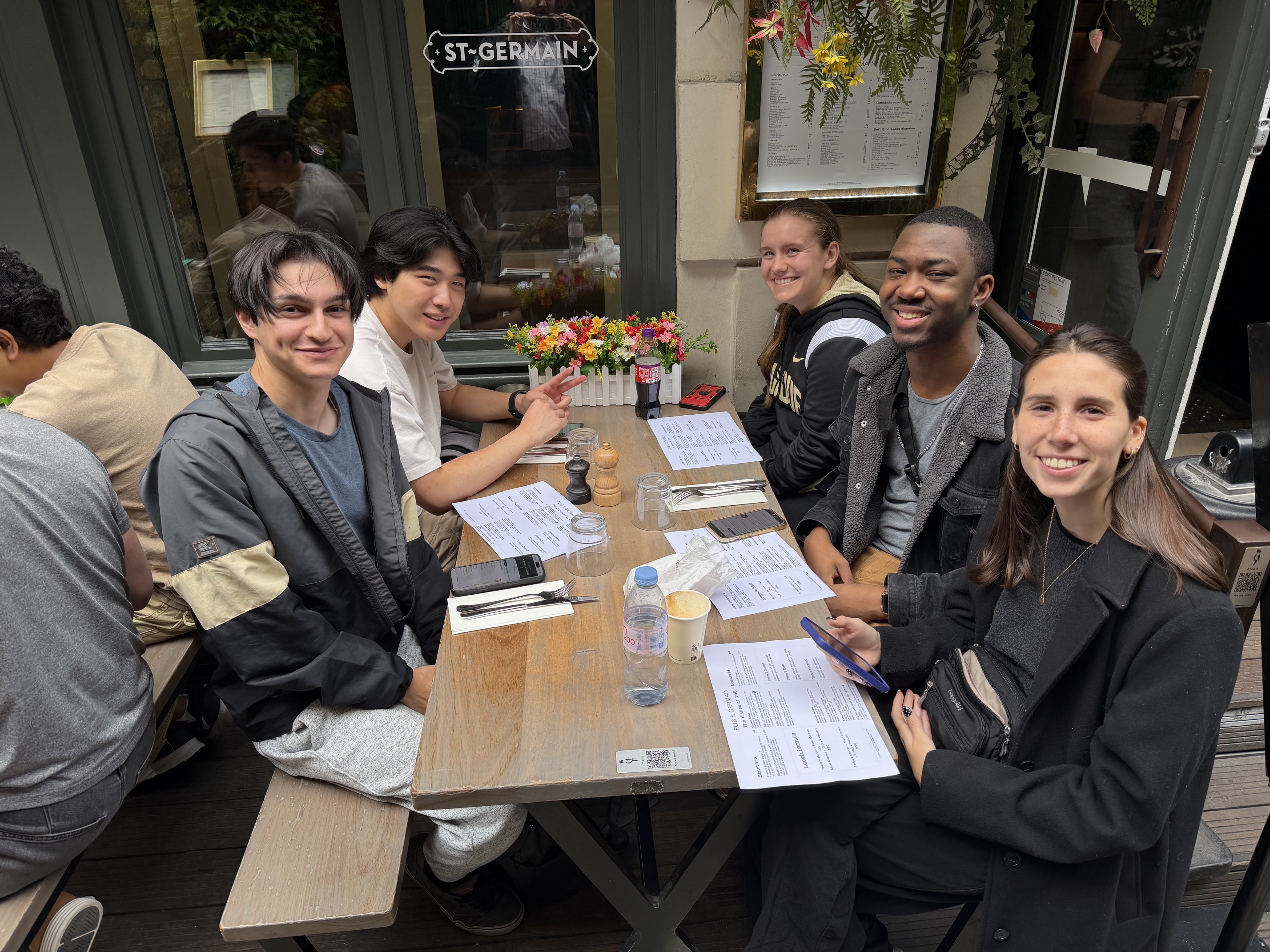
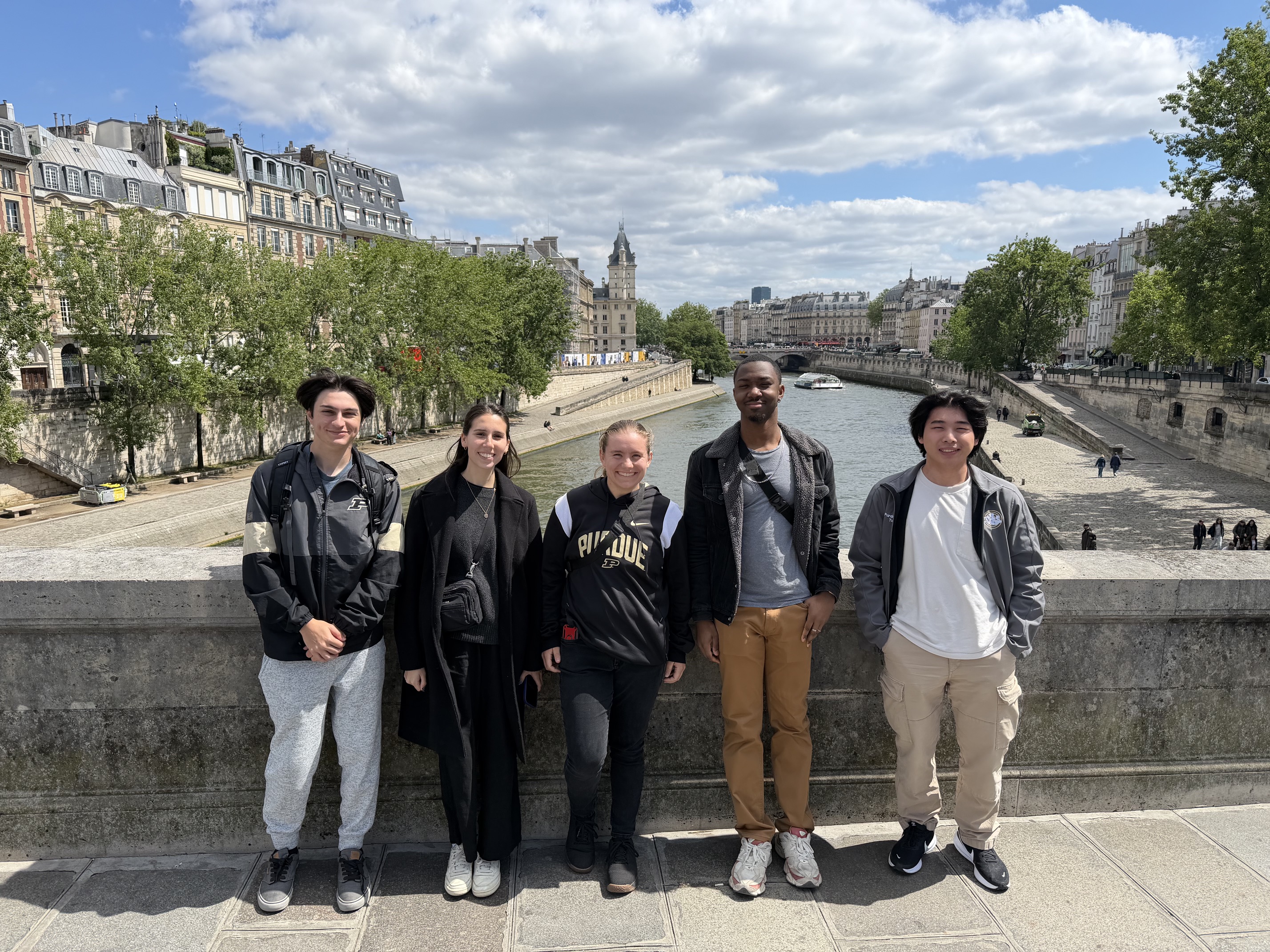
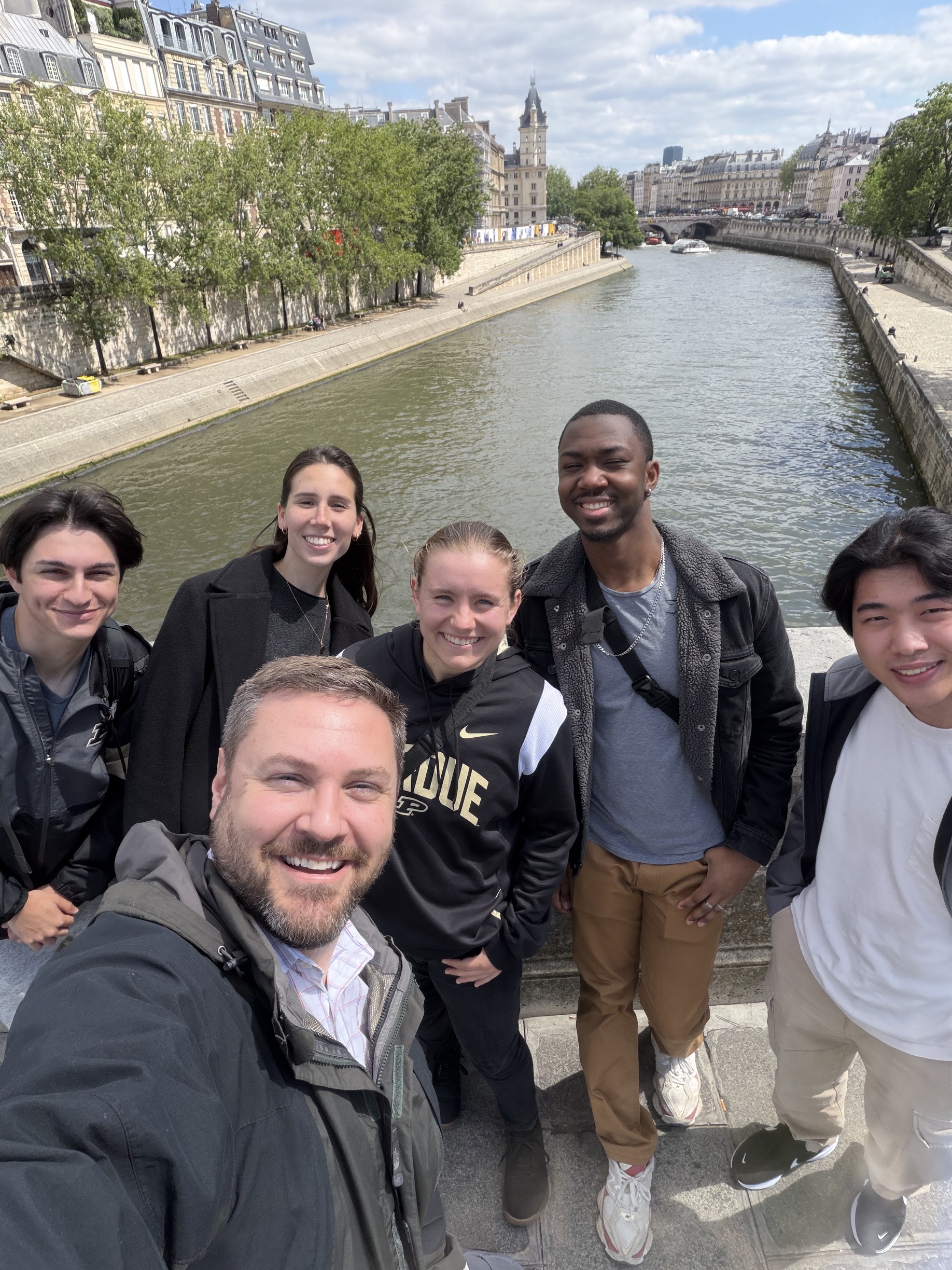
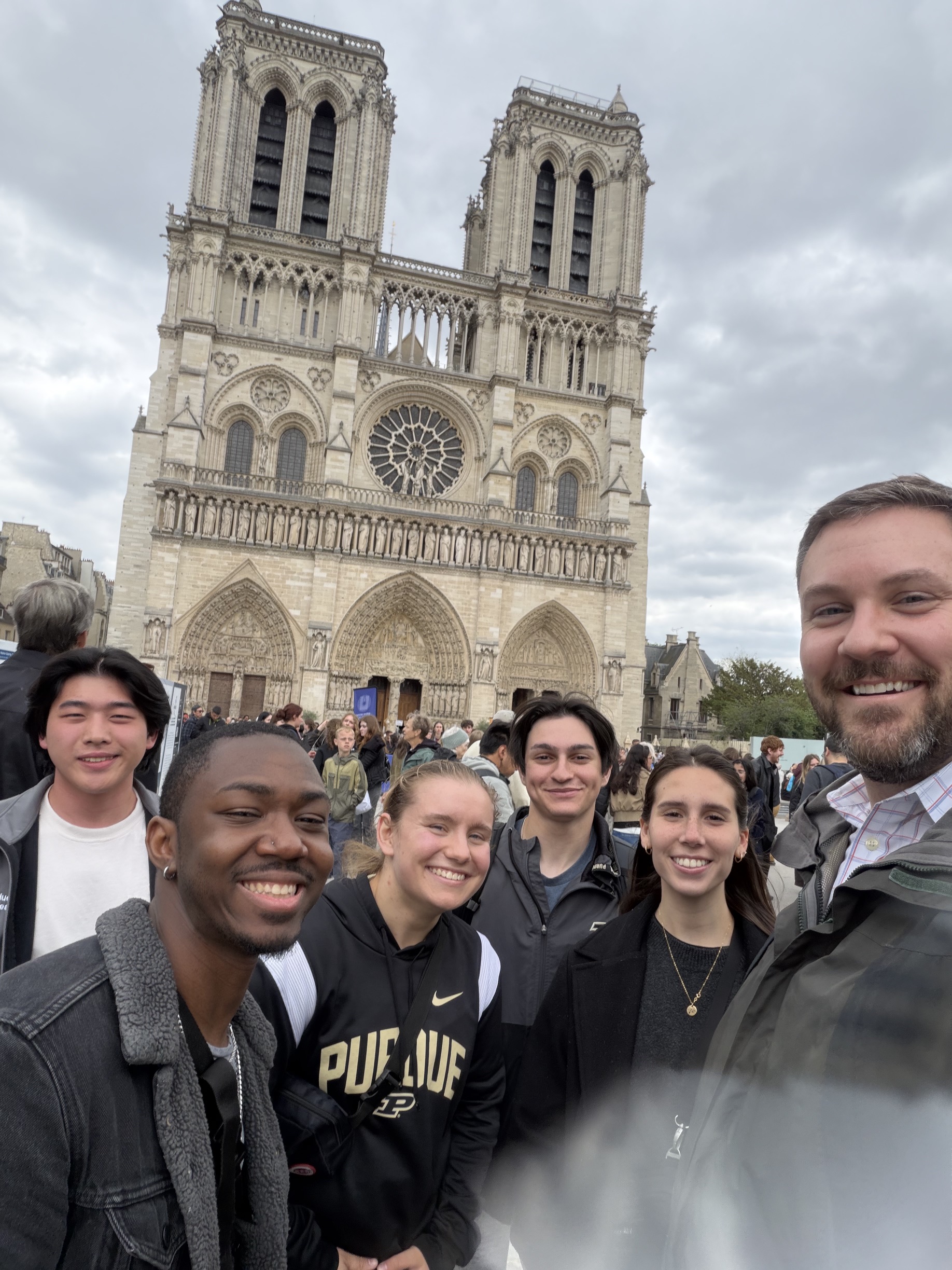
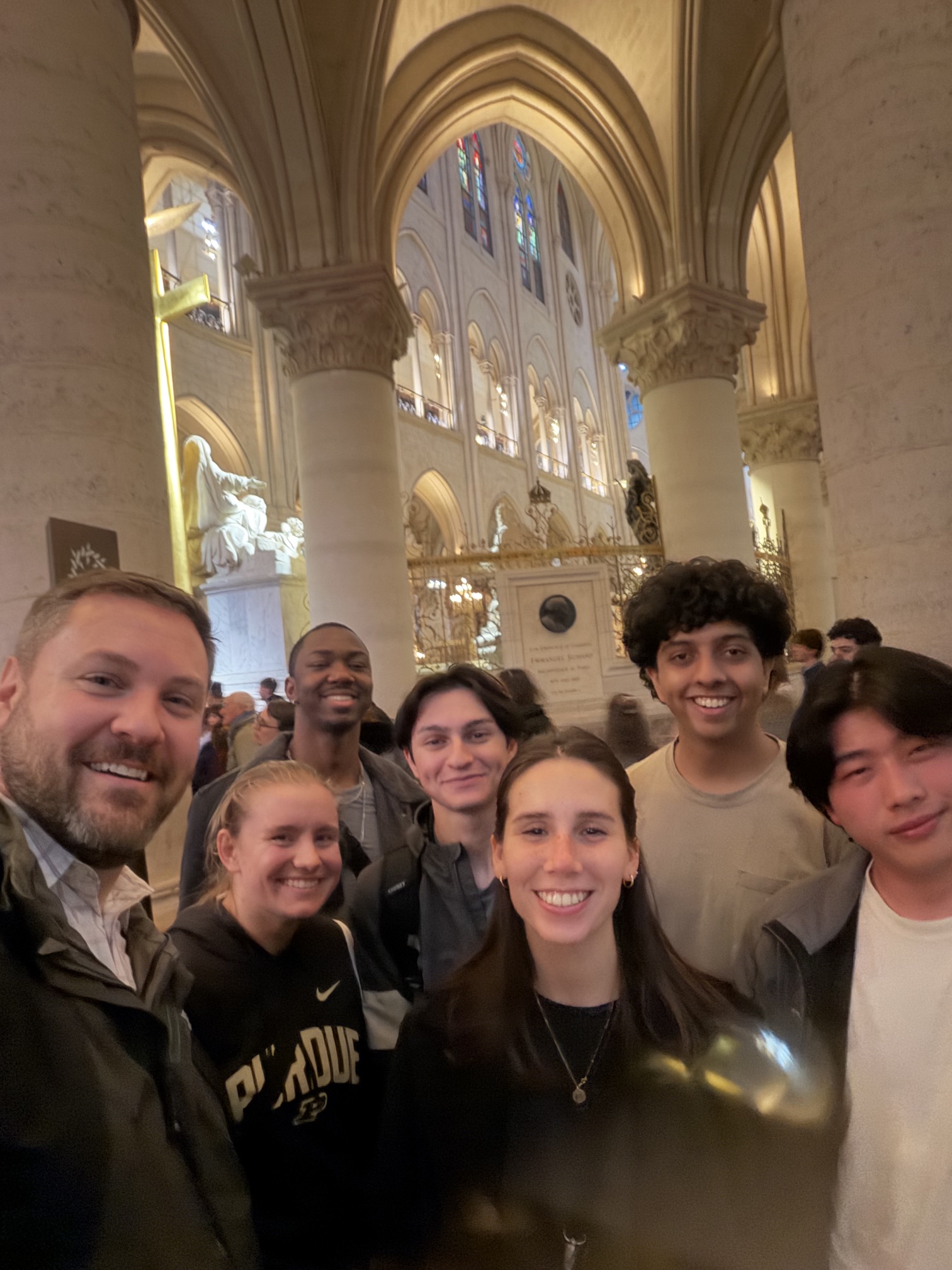
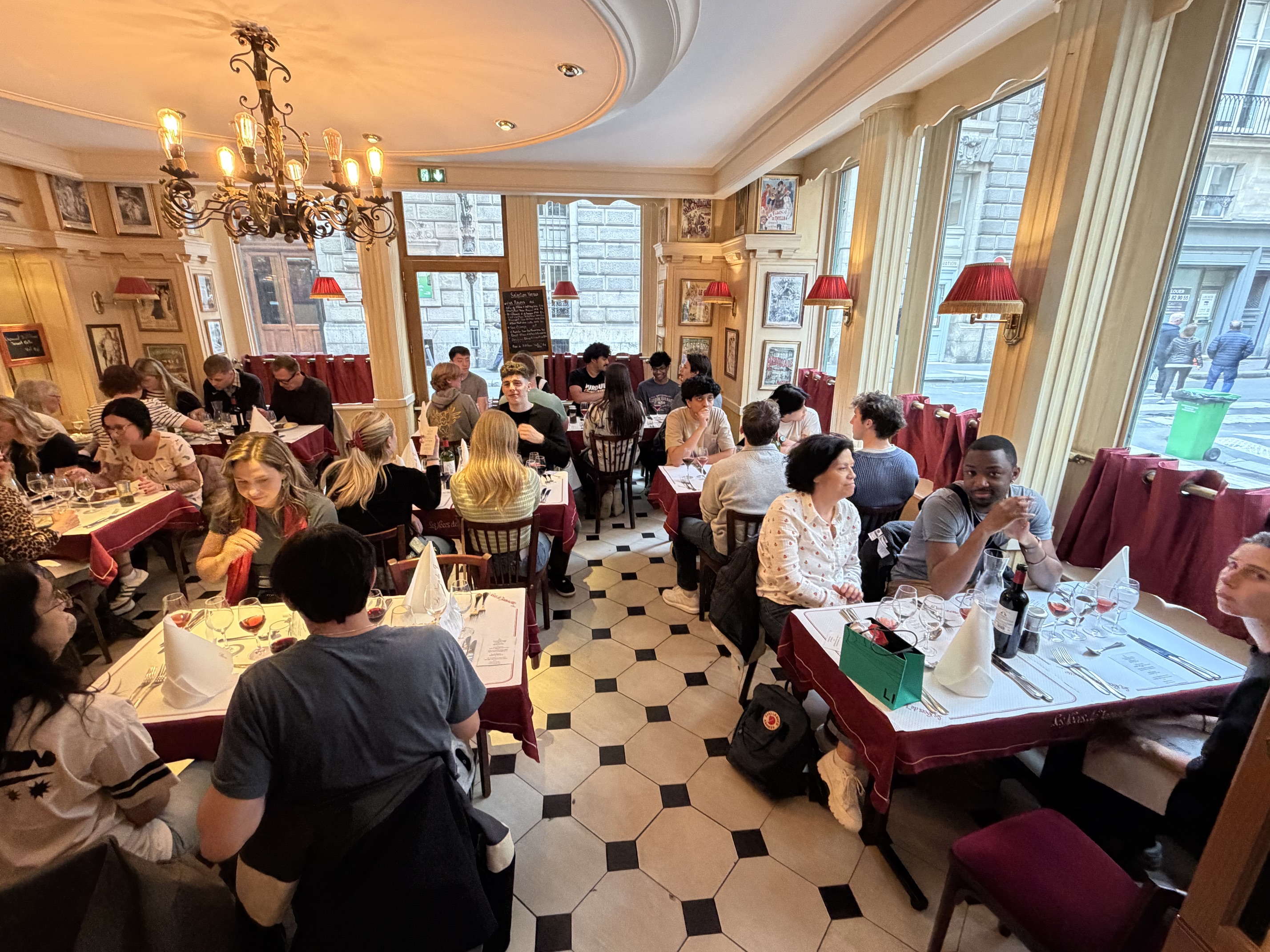
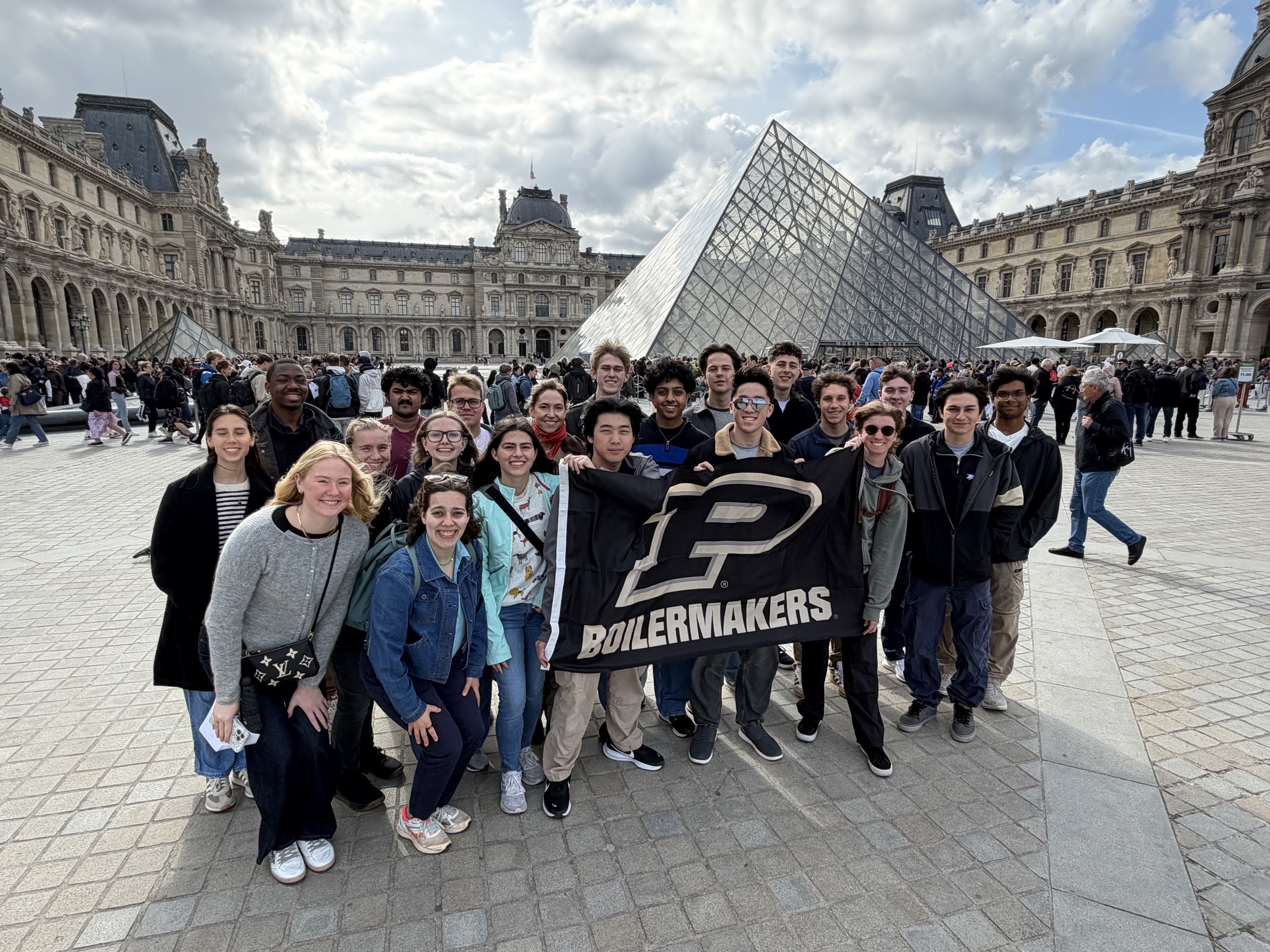
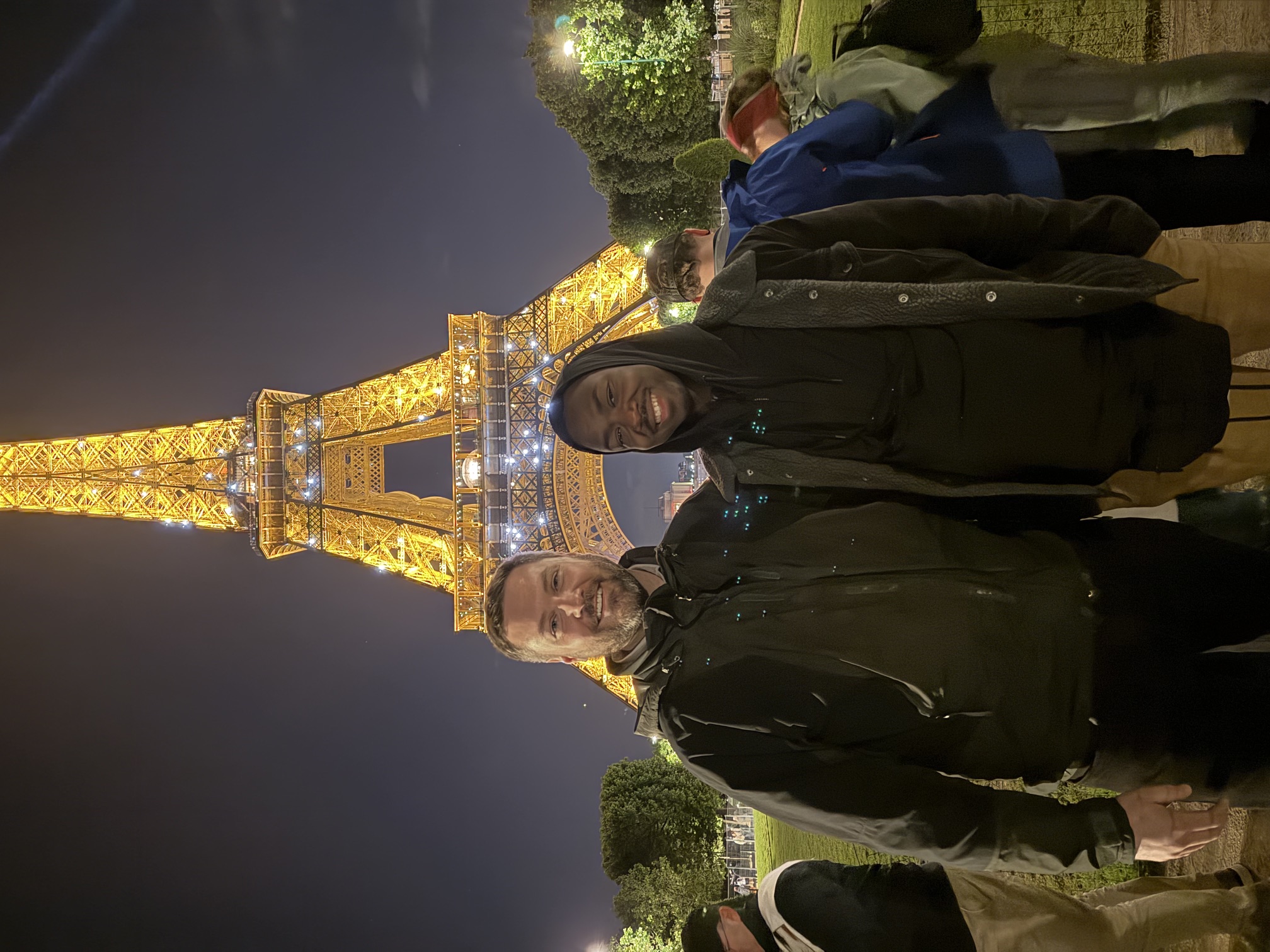
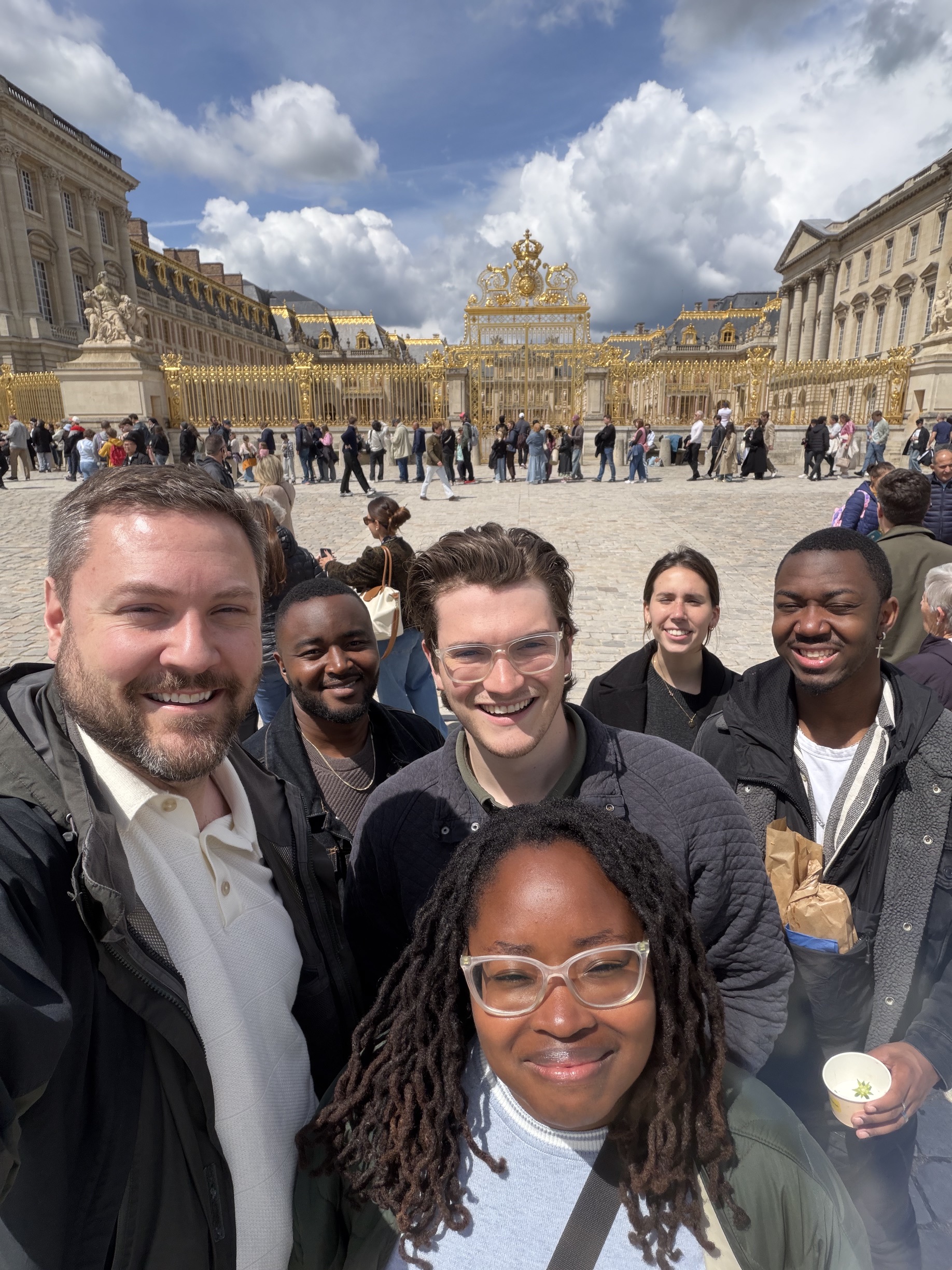
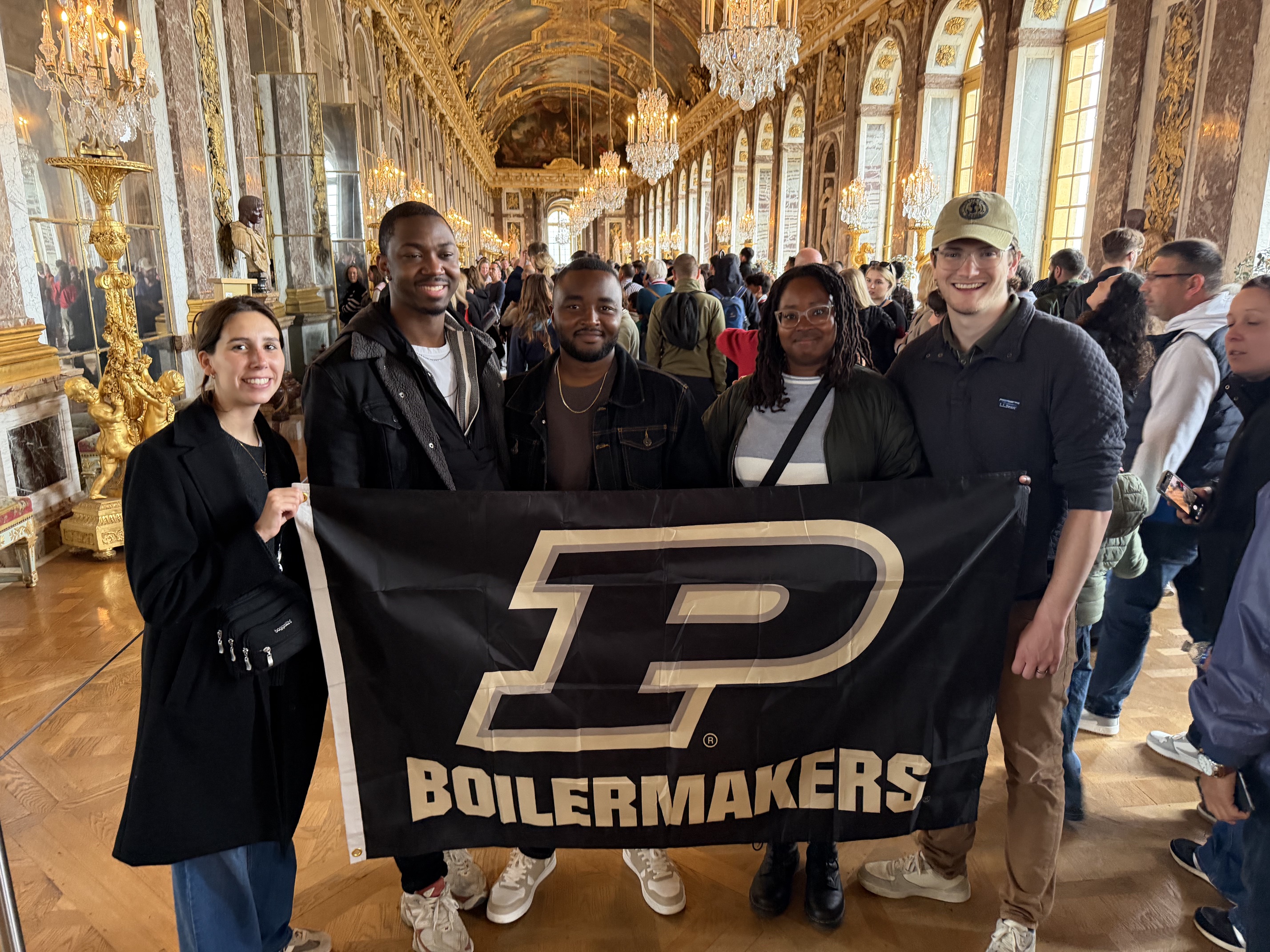
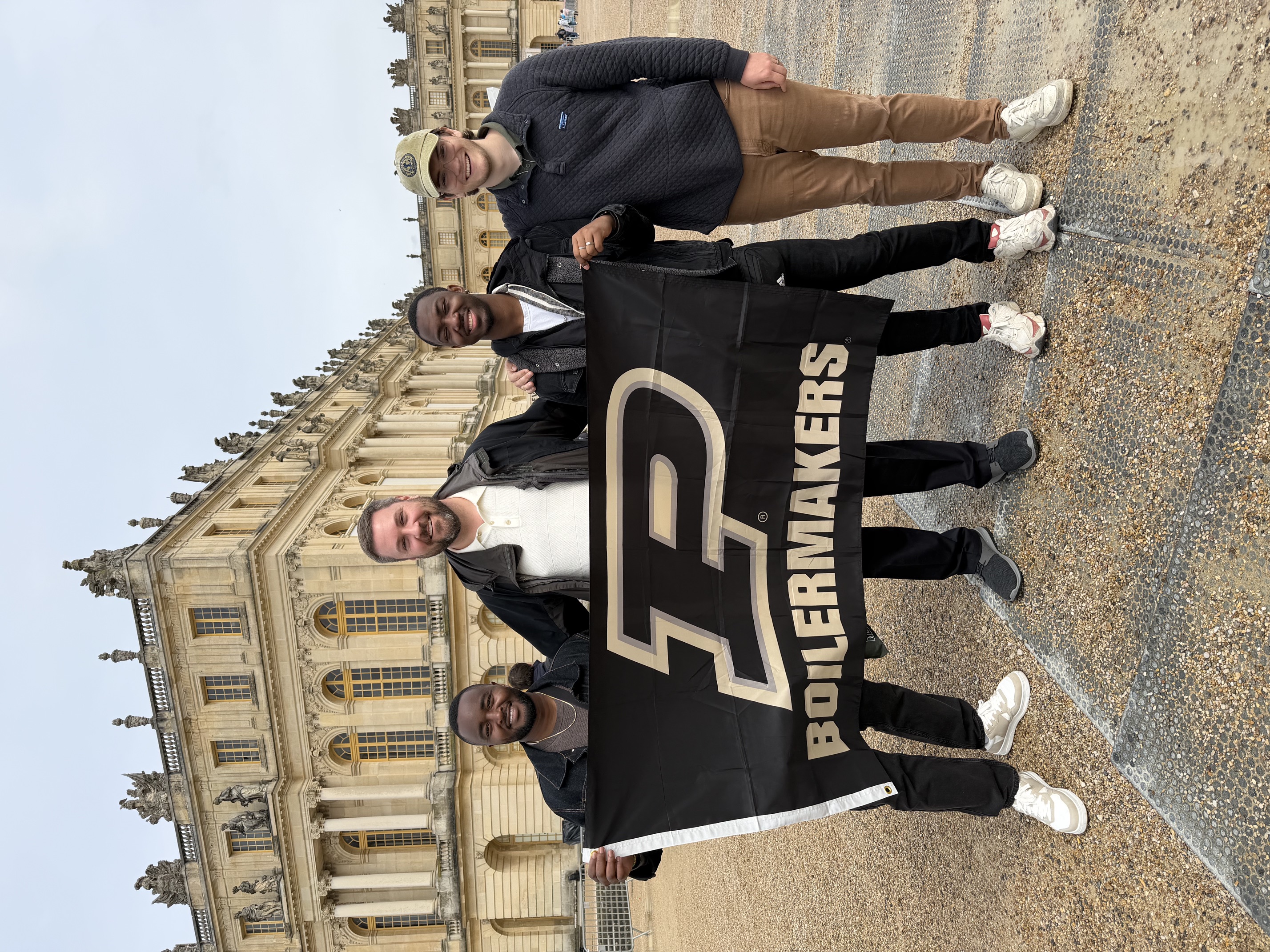
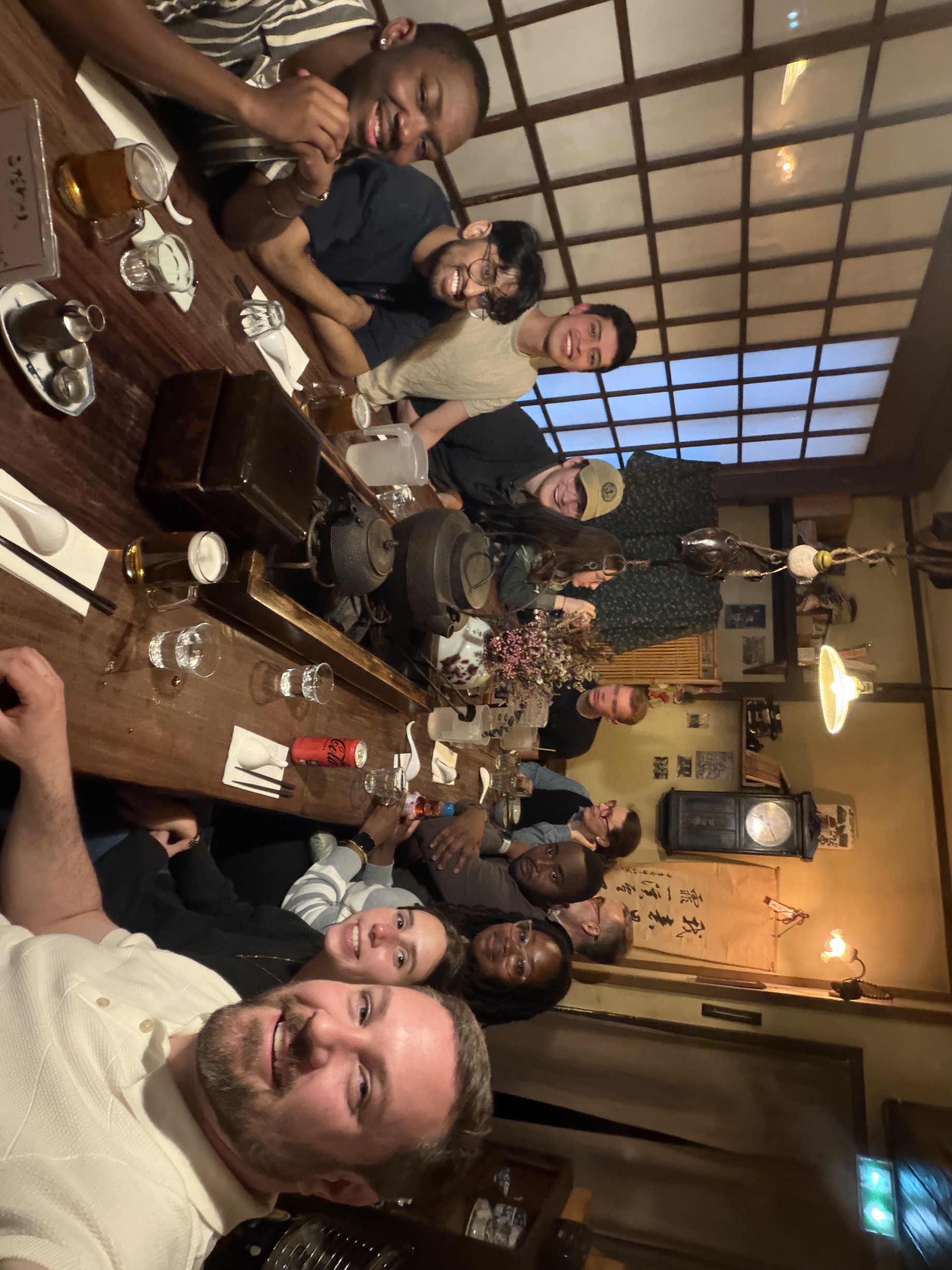
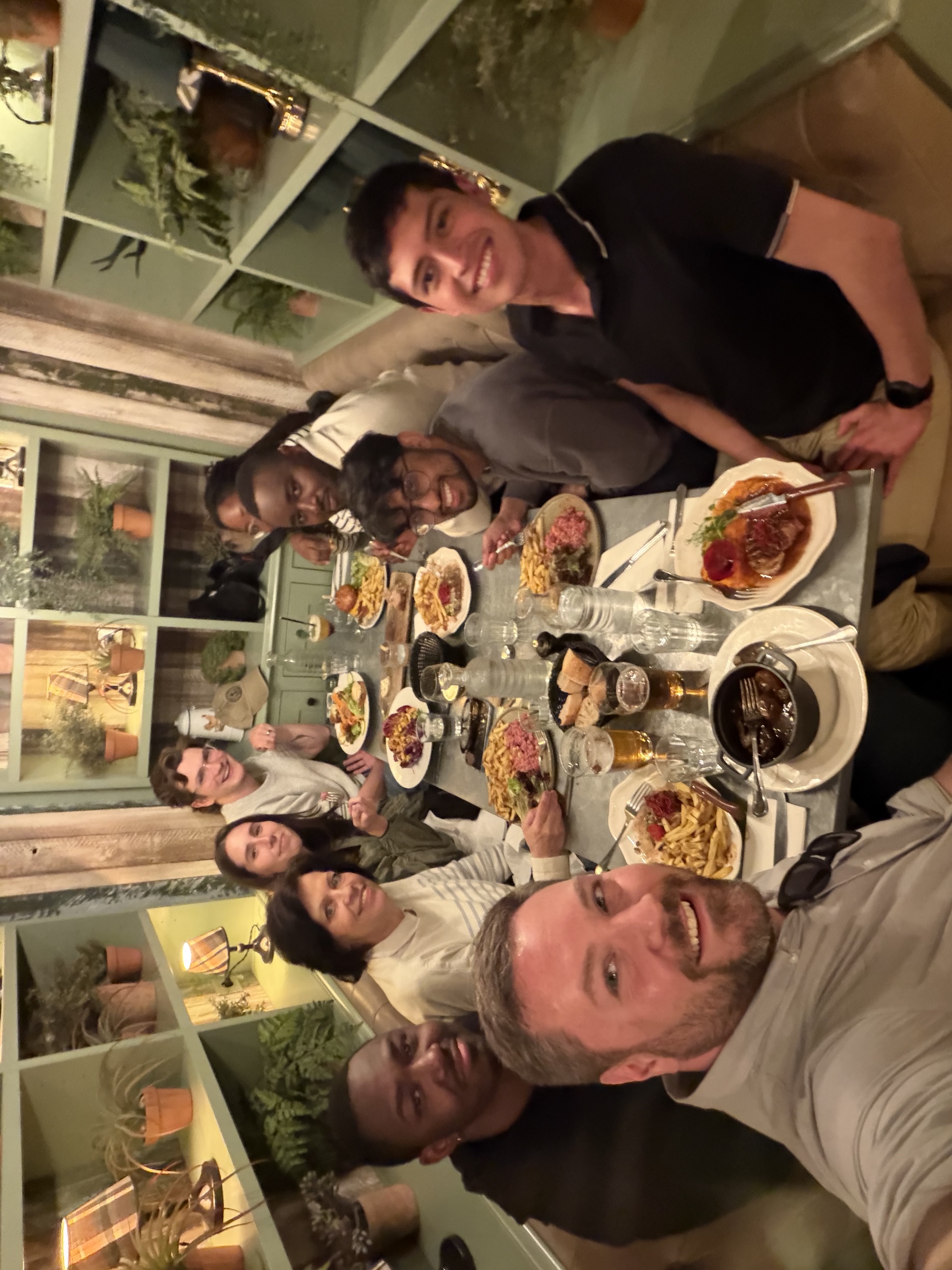
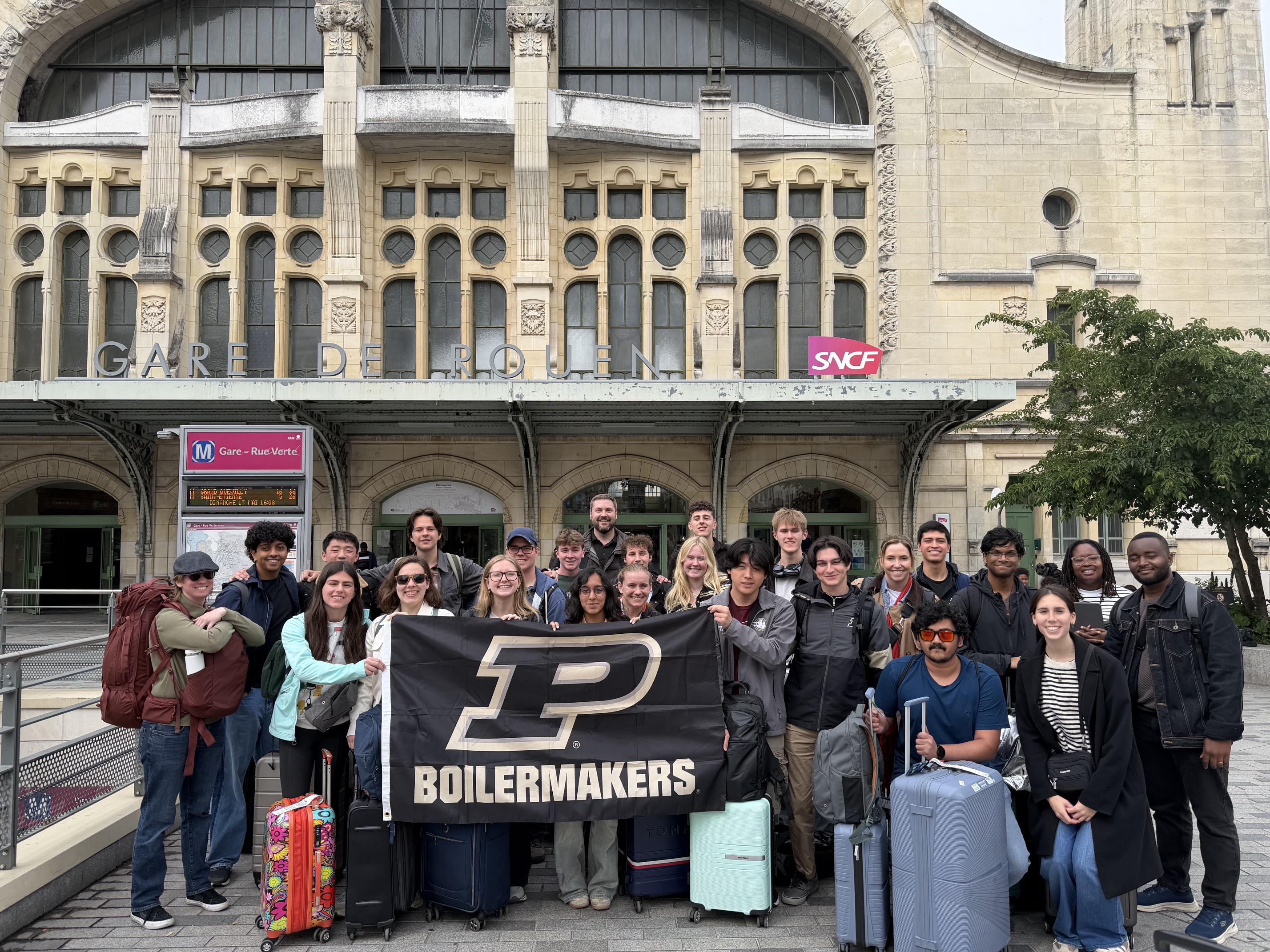
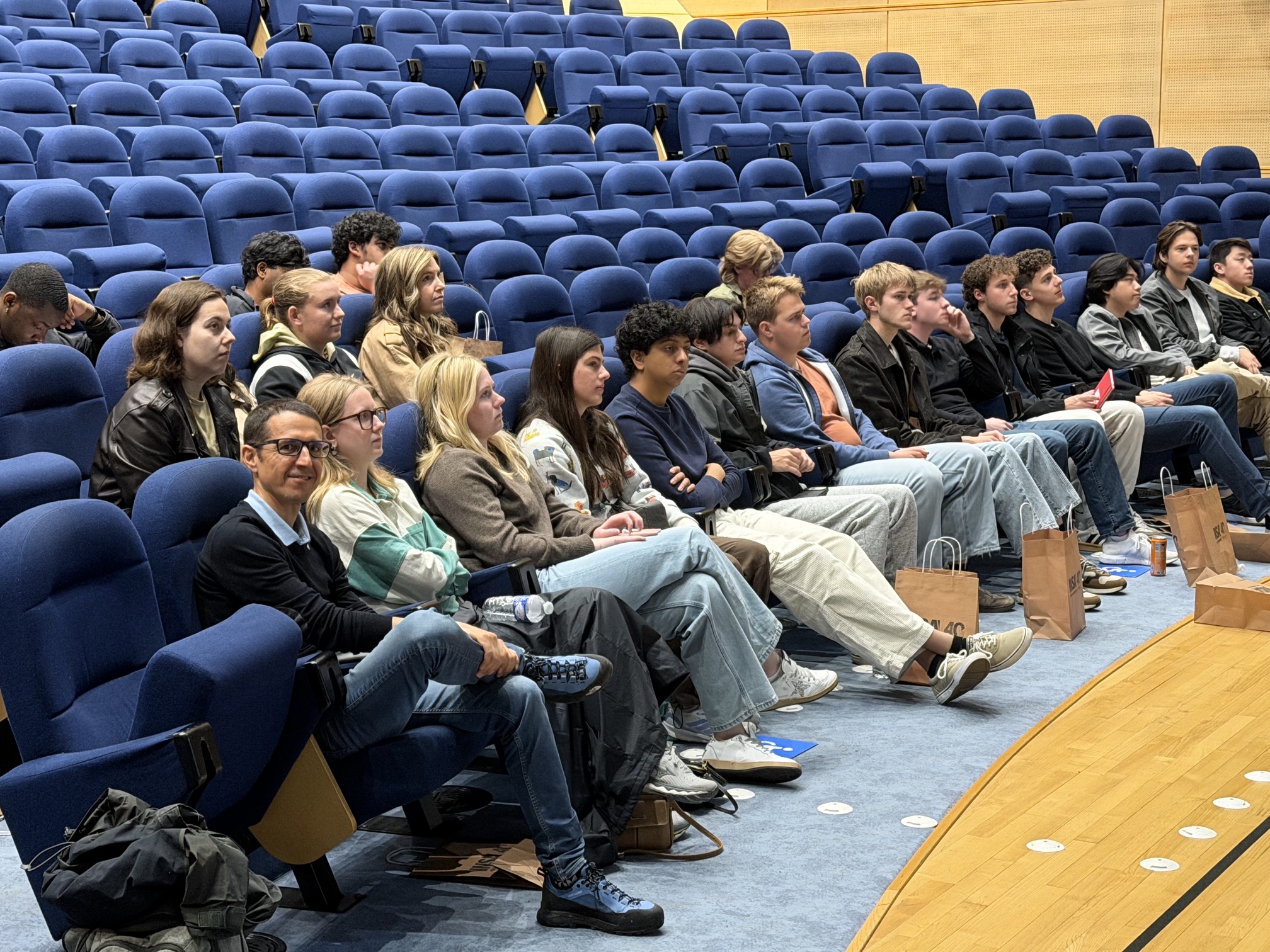
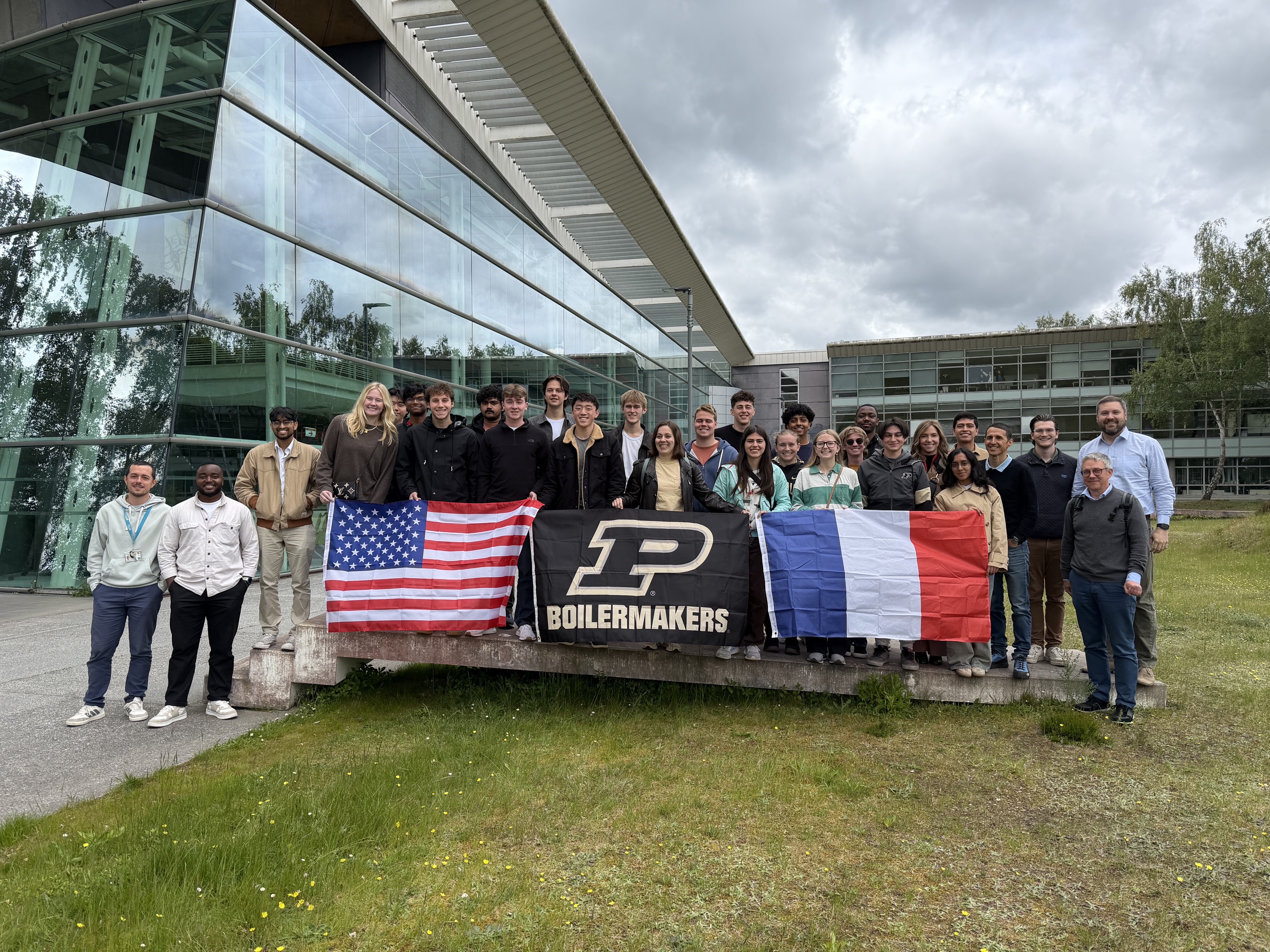
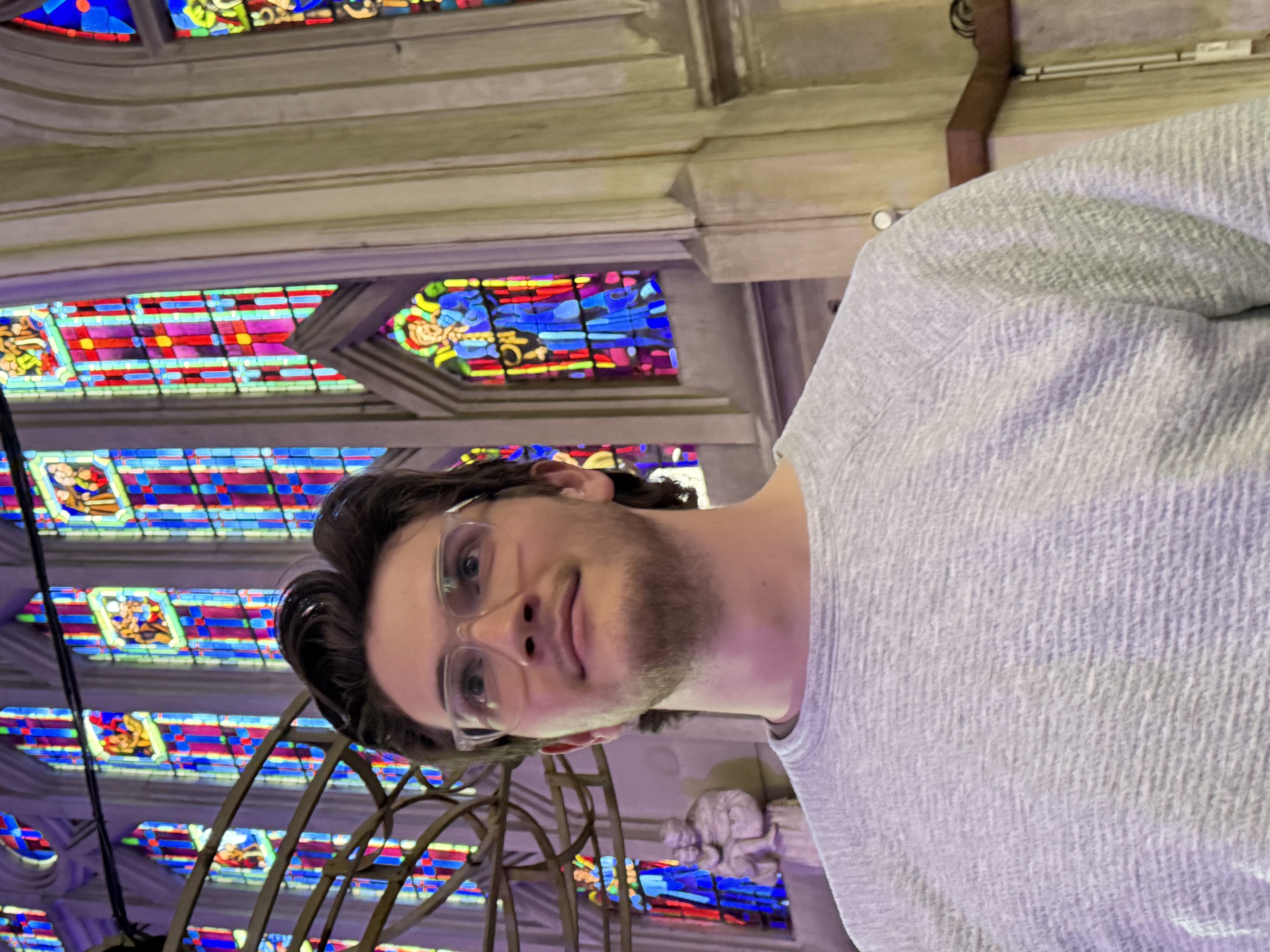
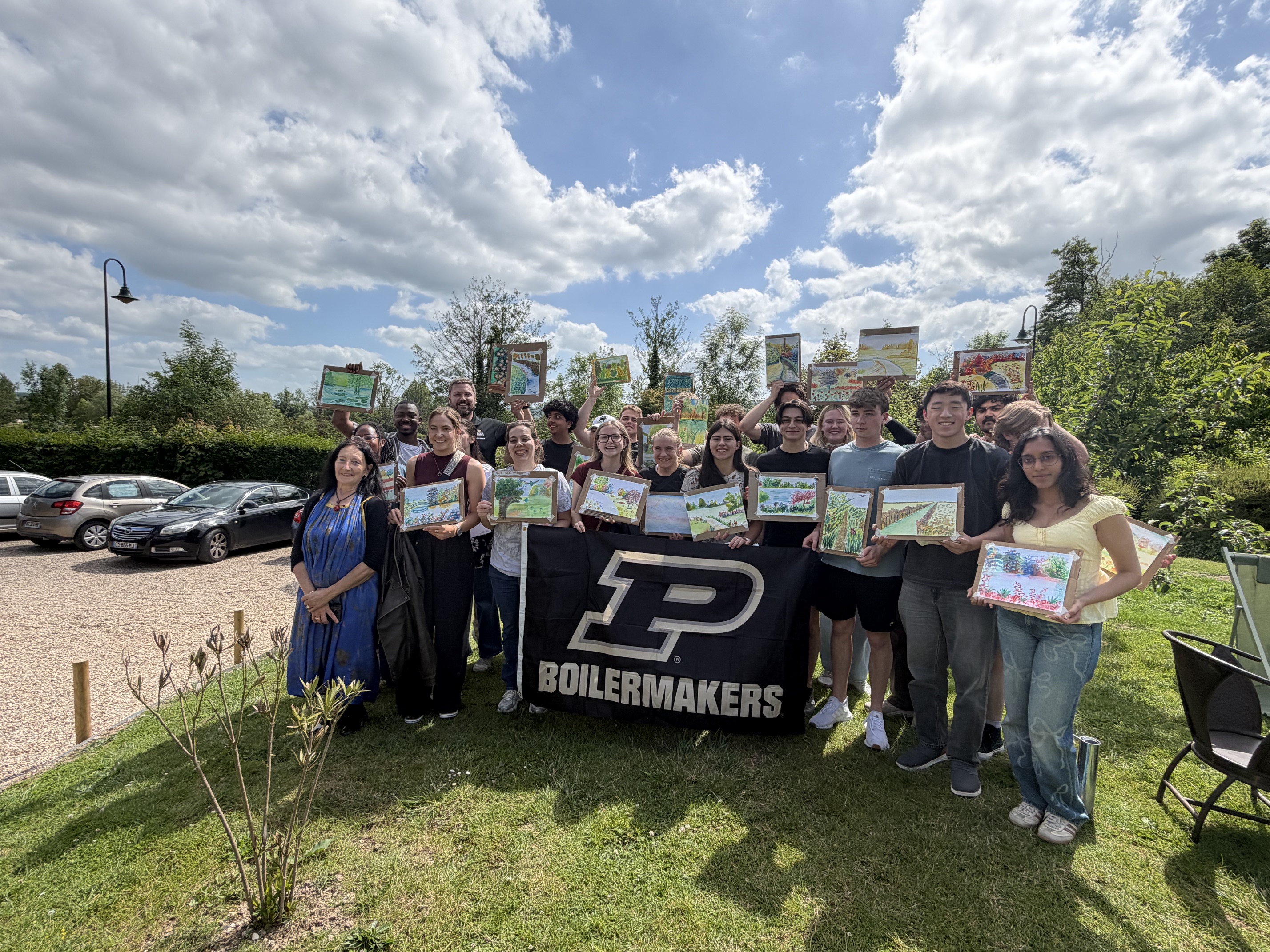
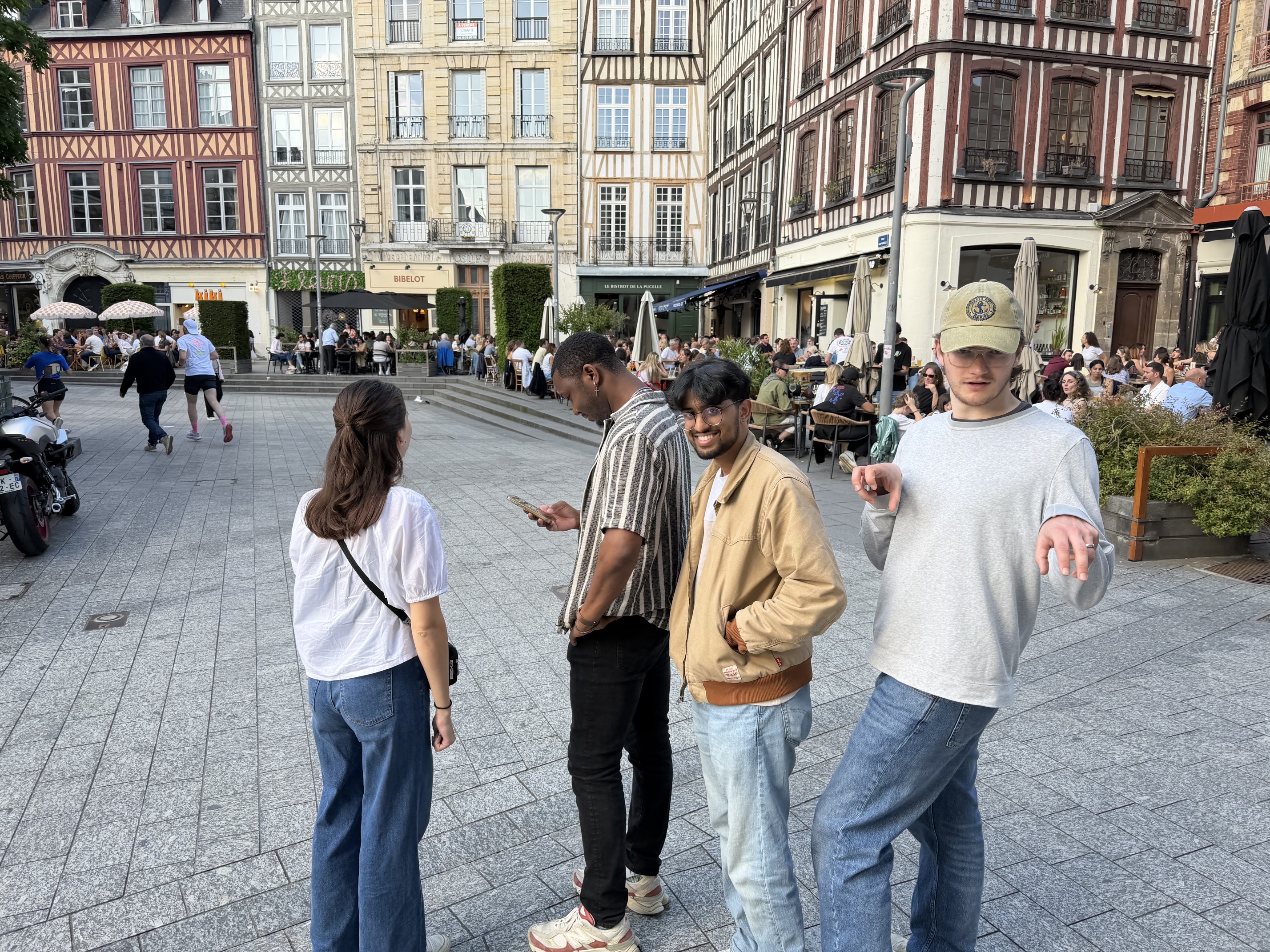
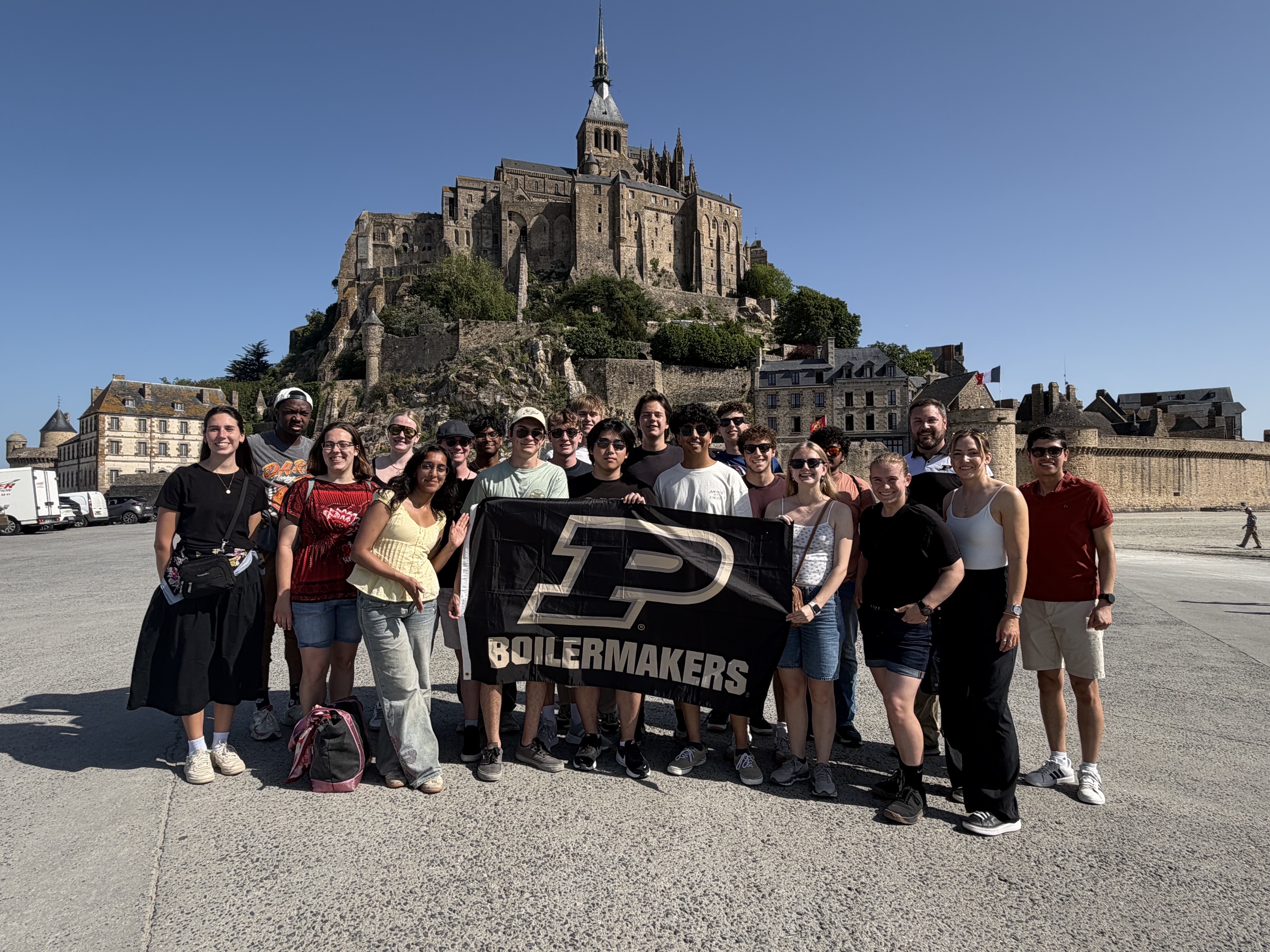
In May 2026, 20 Purdue students traveled across France for the second offering of “From Light to Layers: Exploring Additive Manufacturing and Art in Rouen,” a 19-day Maymester that blended engineering, manufacturing, art, history, and cultural immersion. The program began in Paris before continuing through Rouen, Giverny, Le Havre, Tours, Saint-Malo, Mont Saint-Michel, Étretat, and Honfleur.
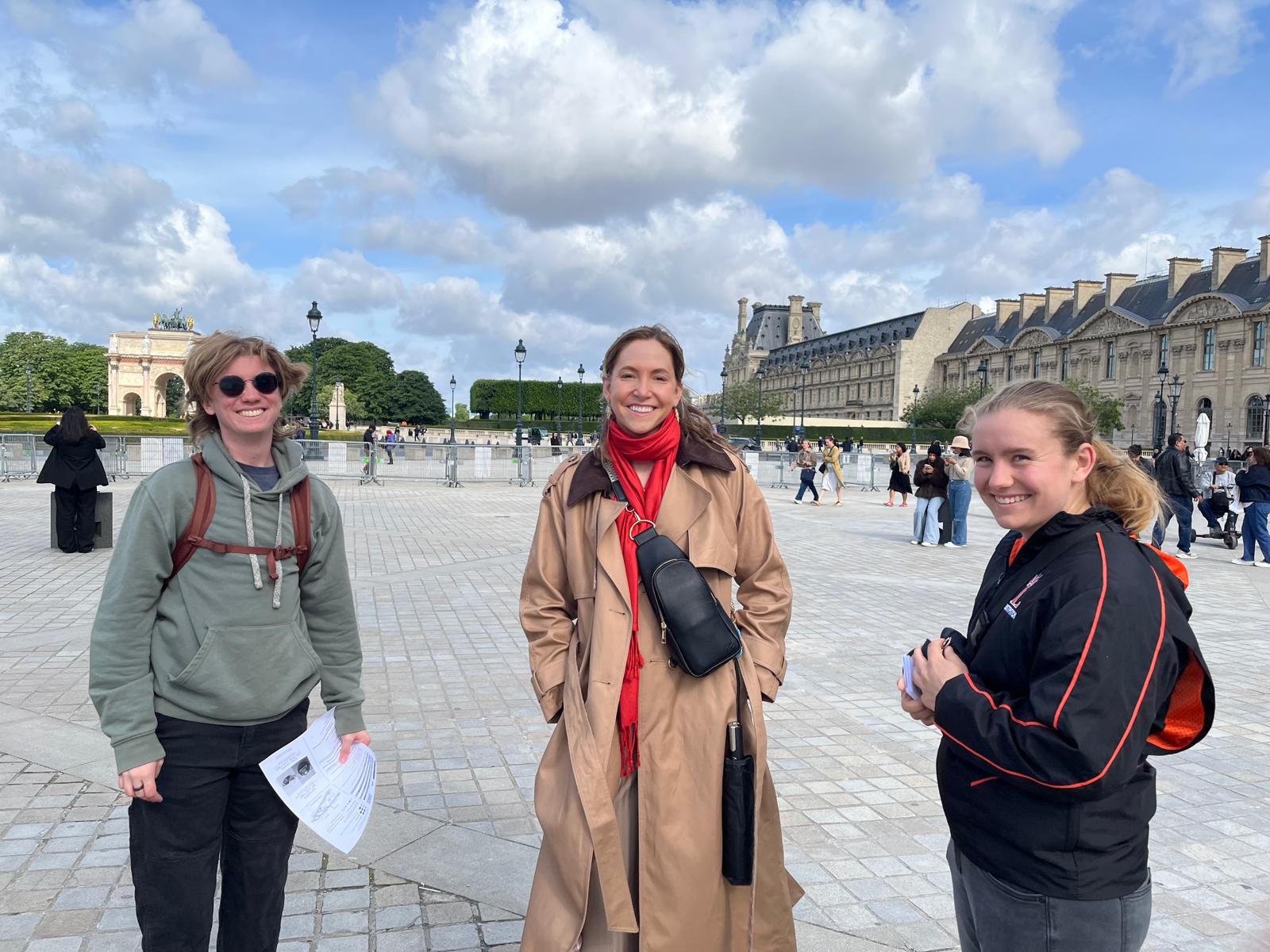
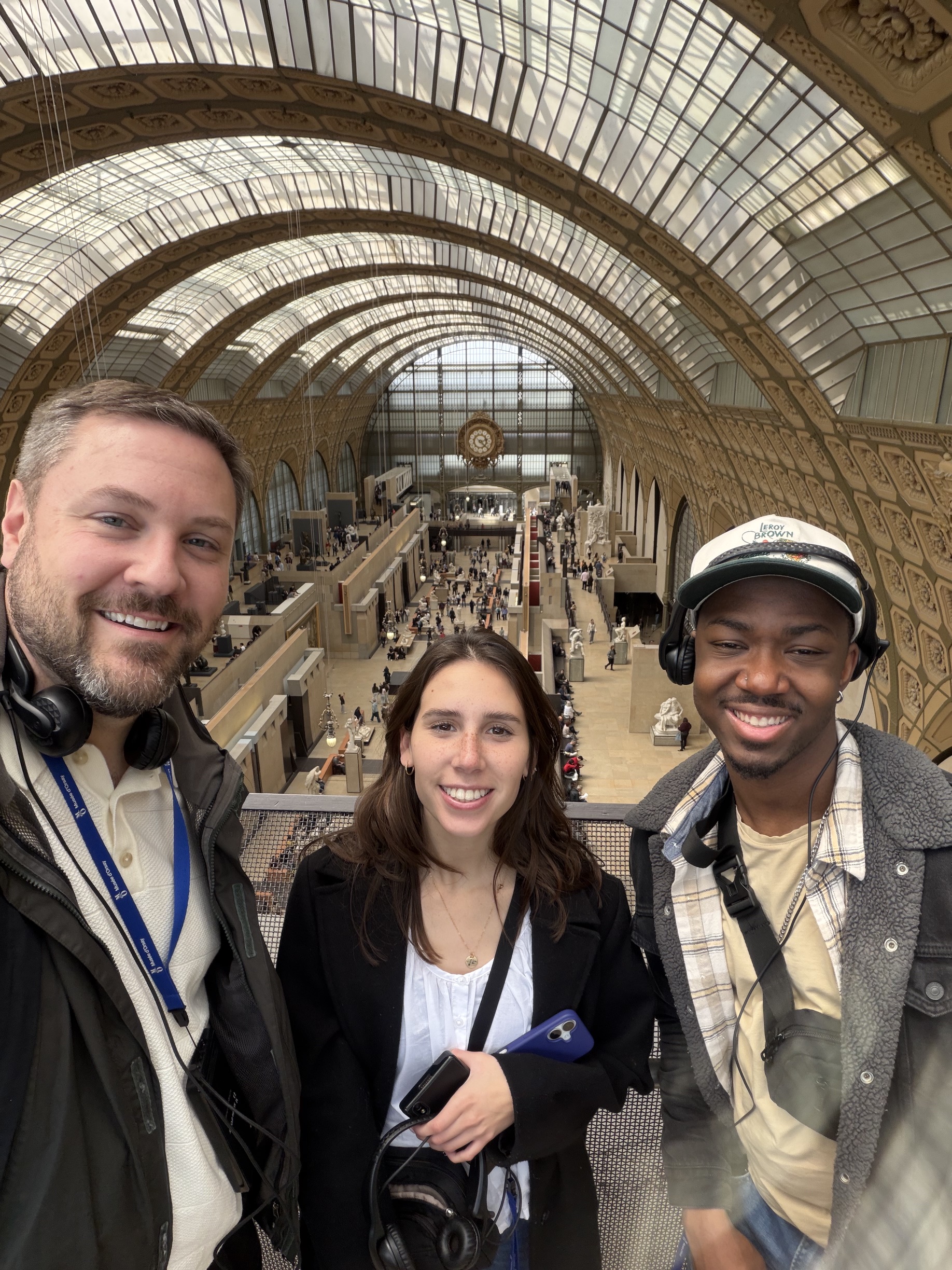
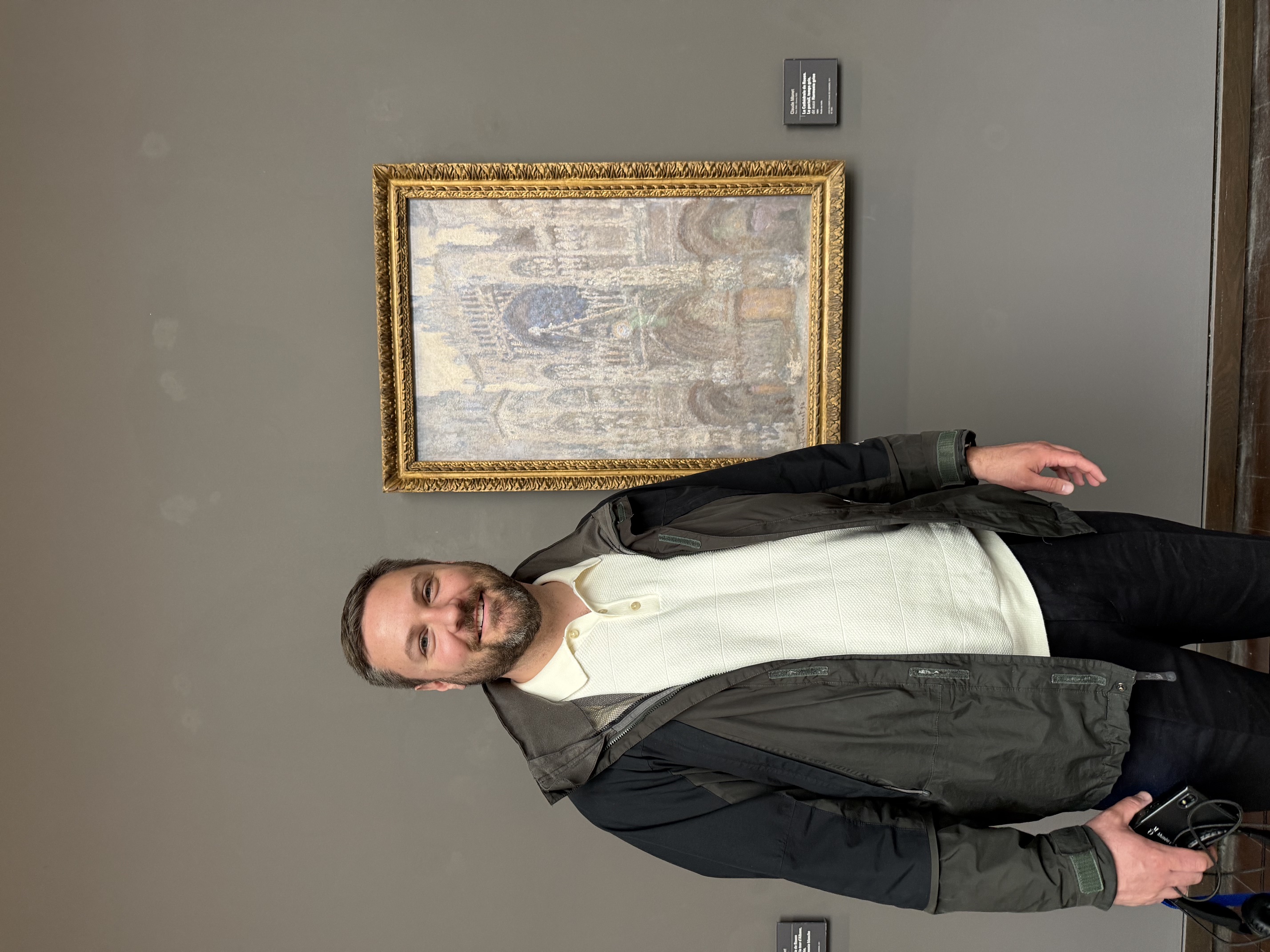
The course continued its central theme of connecting the way Impressionist artists used light to create visual meaning with the way engineers use layers to create functional meaning through additive manufacturing. Students studied art at museums including the Louvre, Musée d’Orsay, Musée de l’Orangerie, Musée Rodin, and Musée Marmottan Monet, then carried those ideas into technical coursework and laboratory experiences in Normandy.
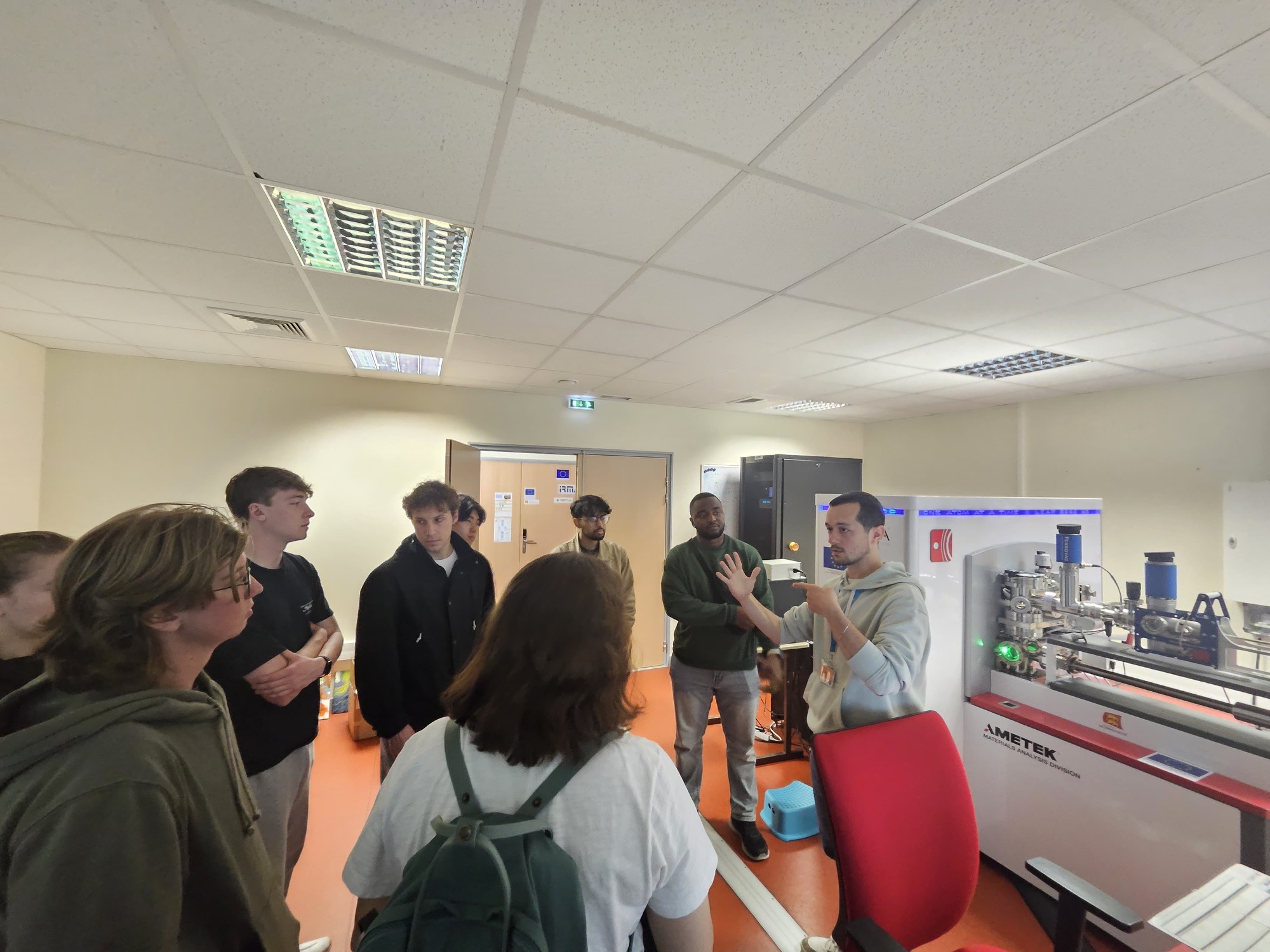
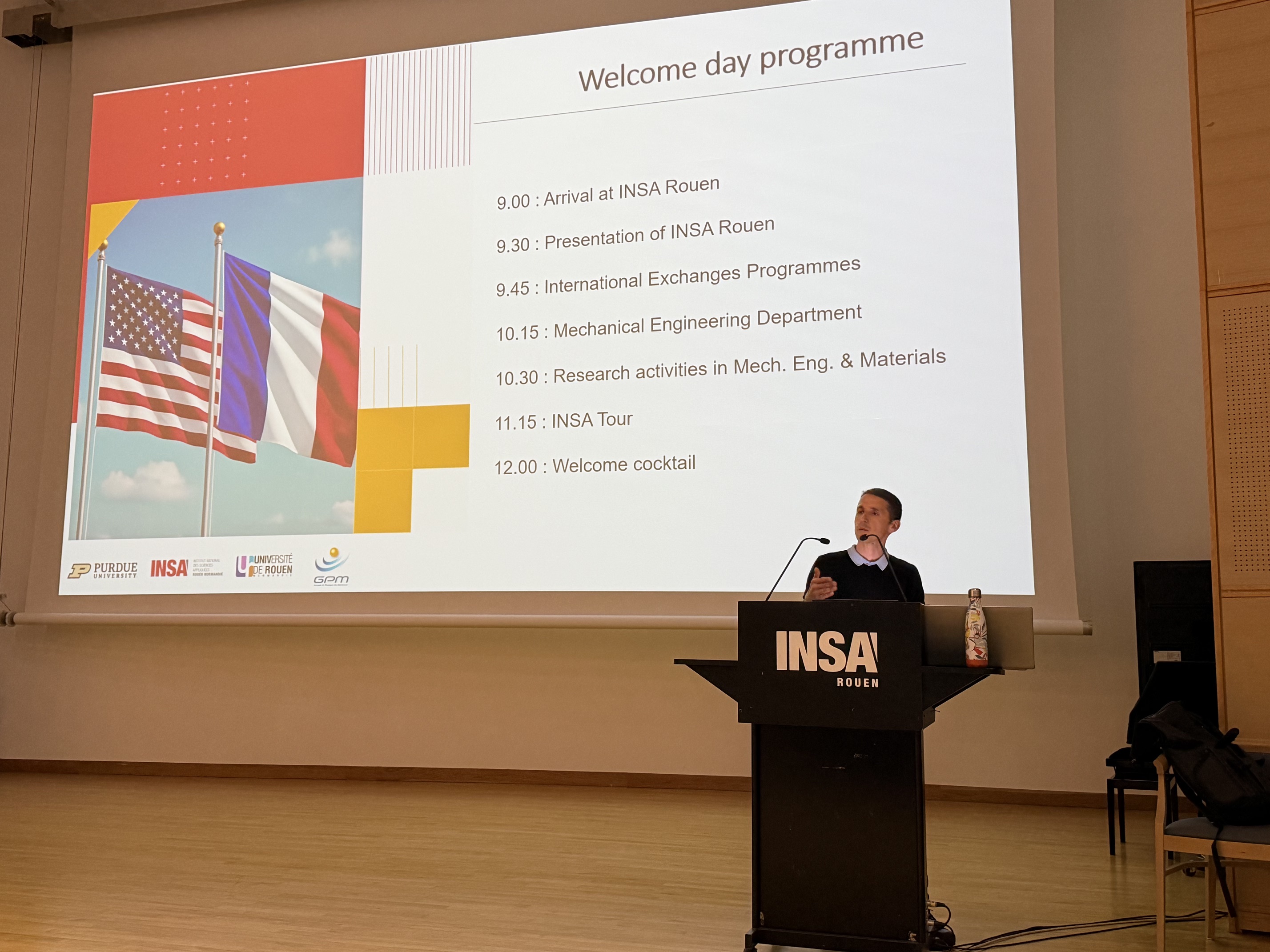
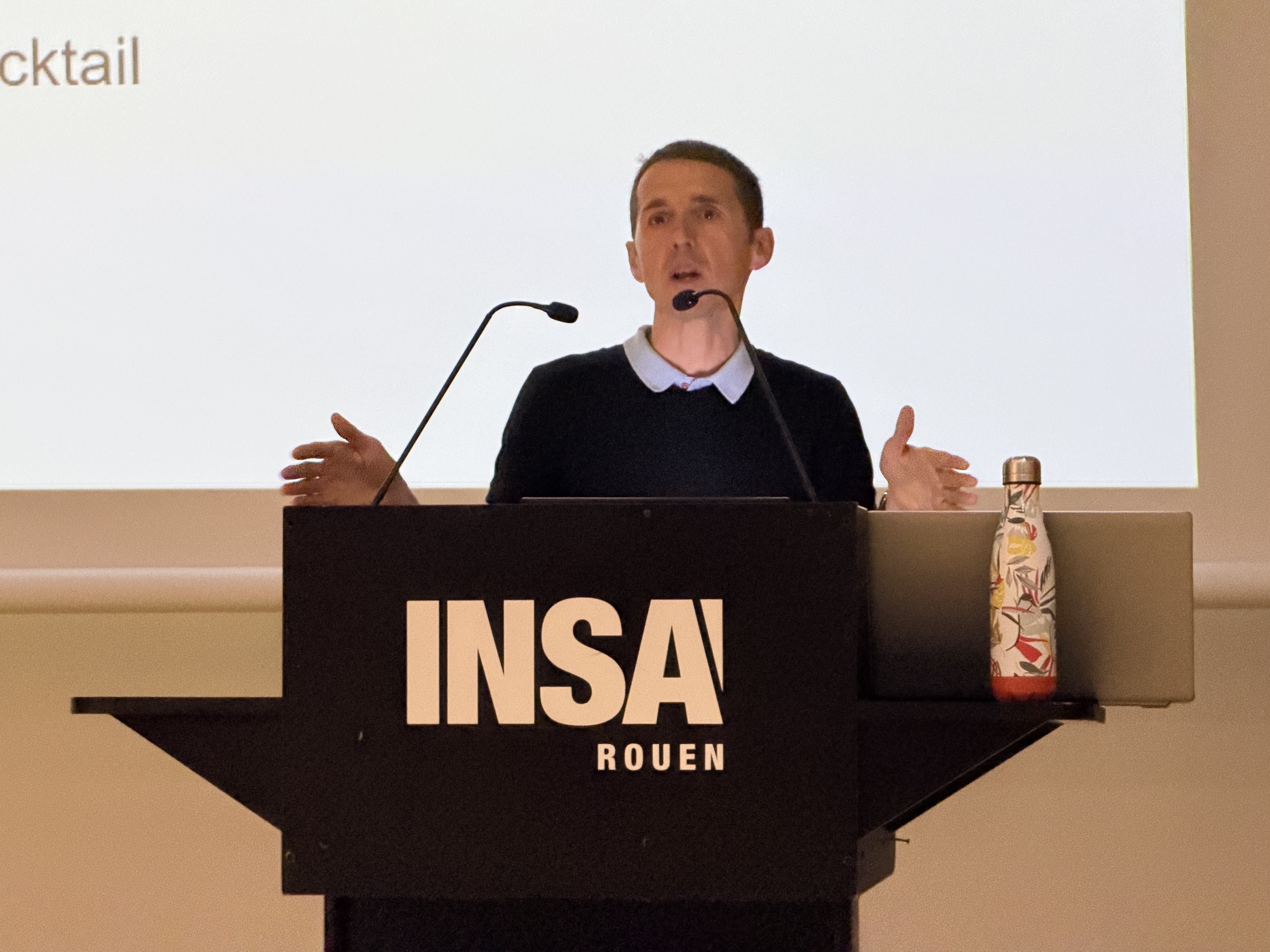
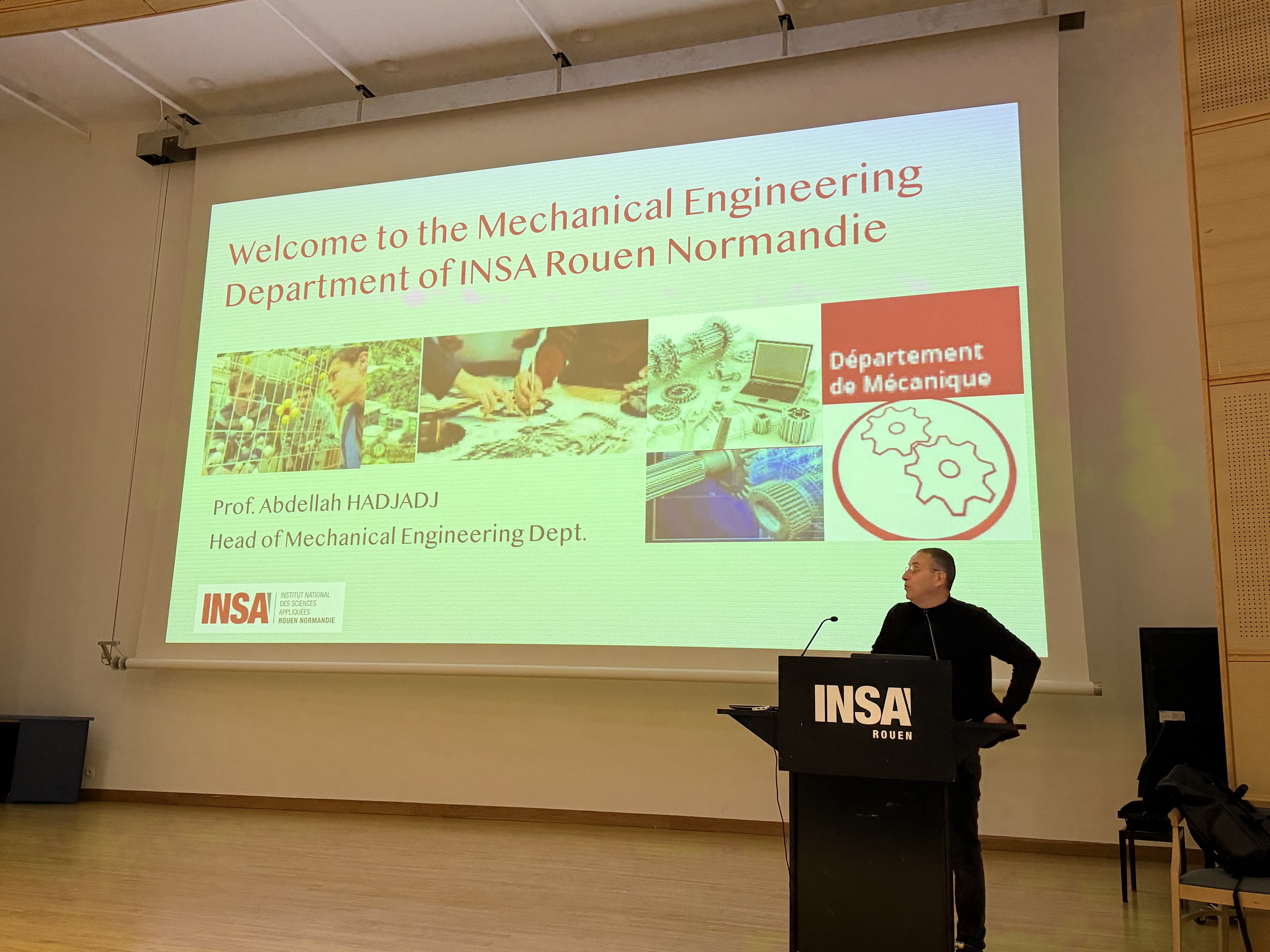
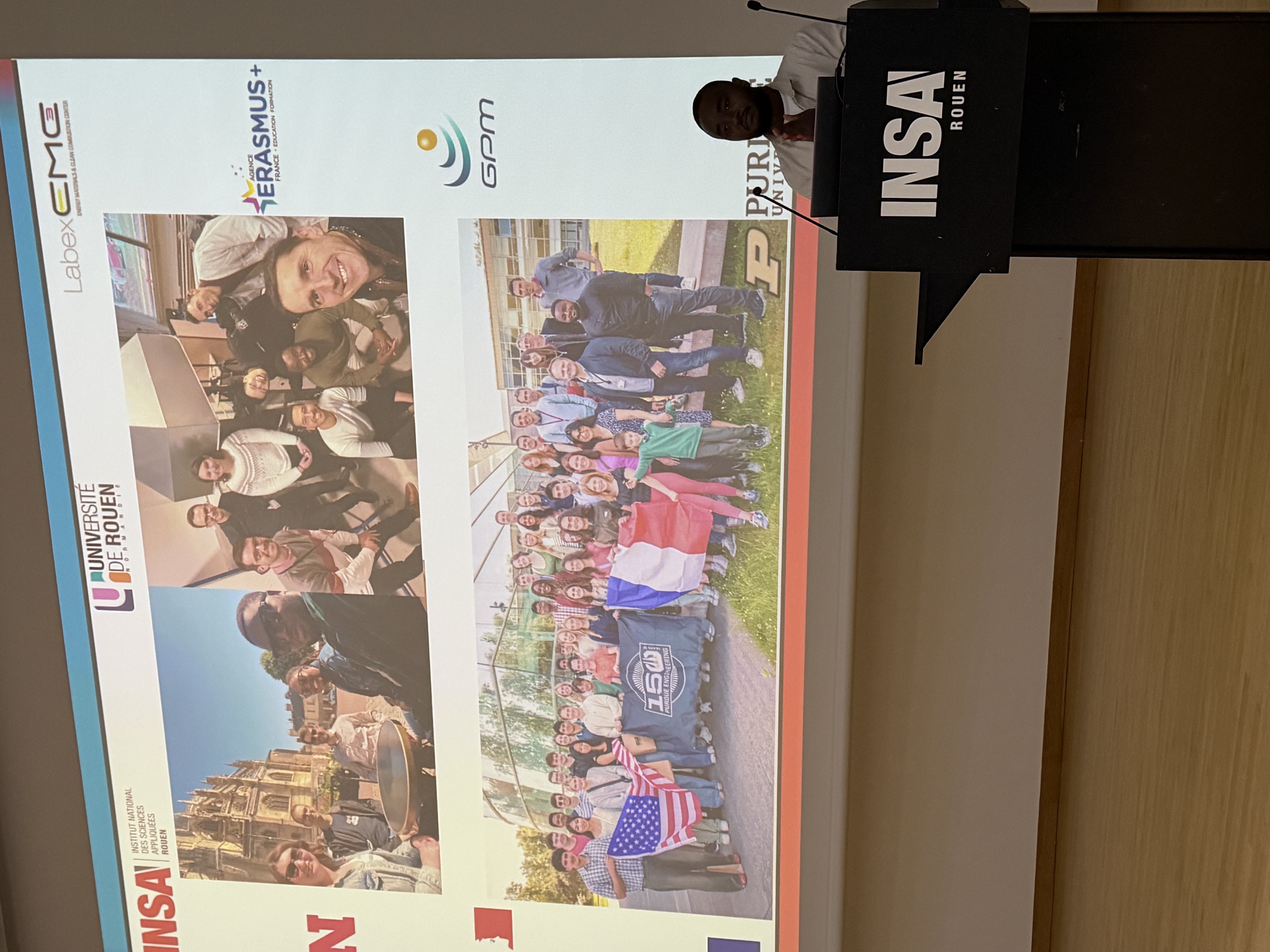
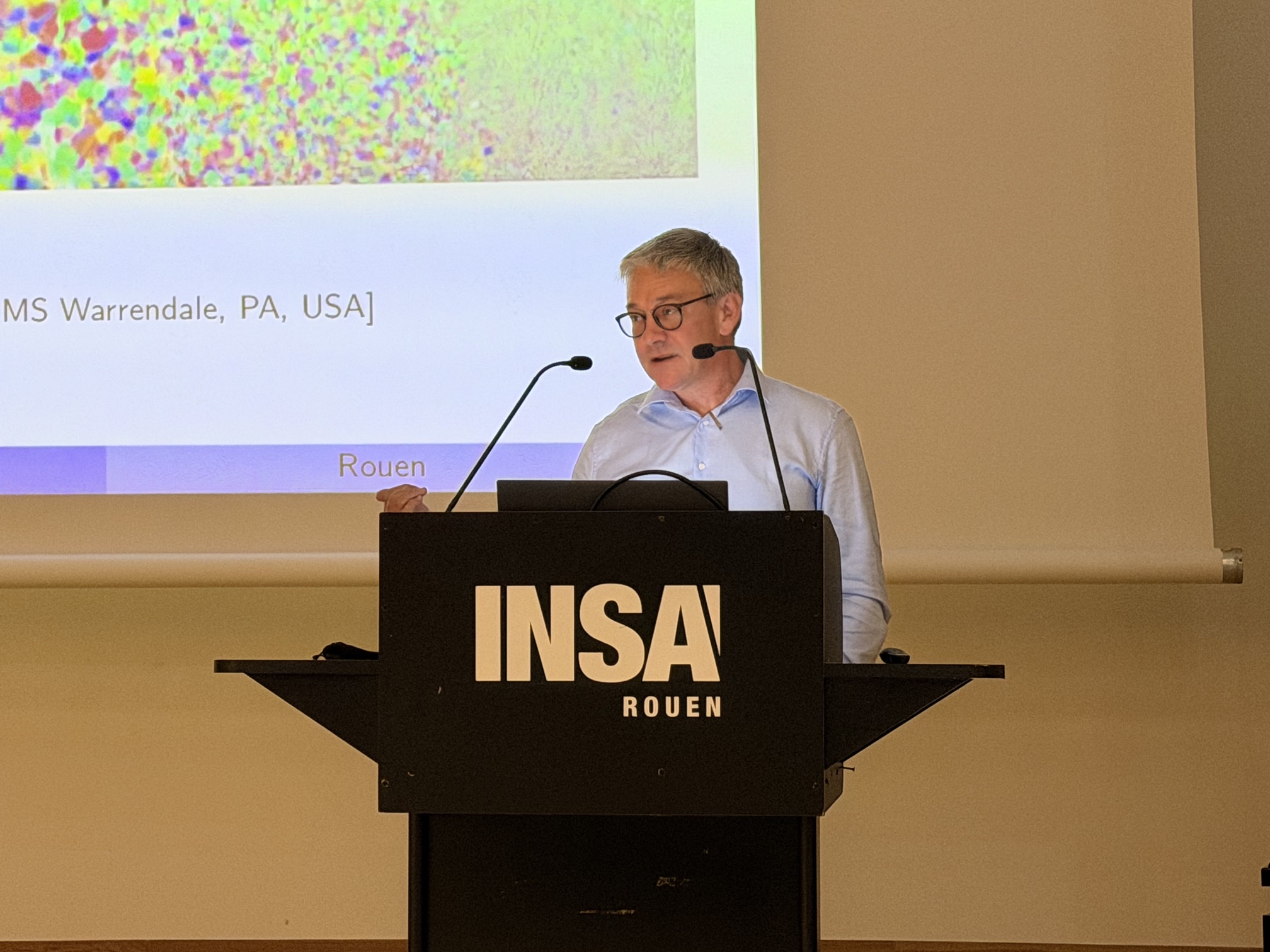
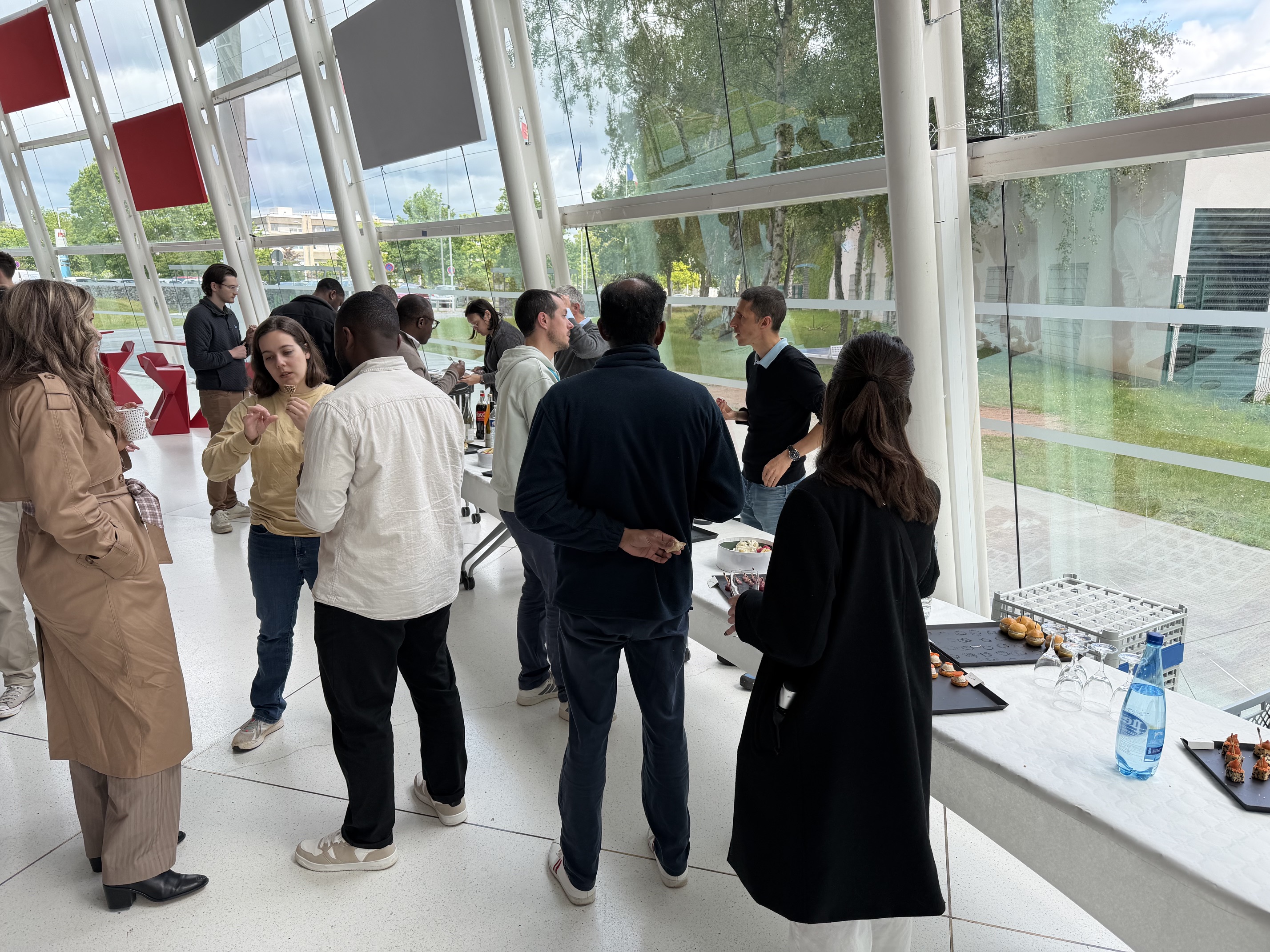
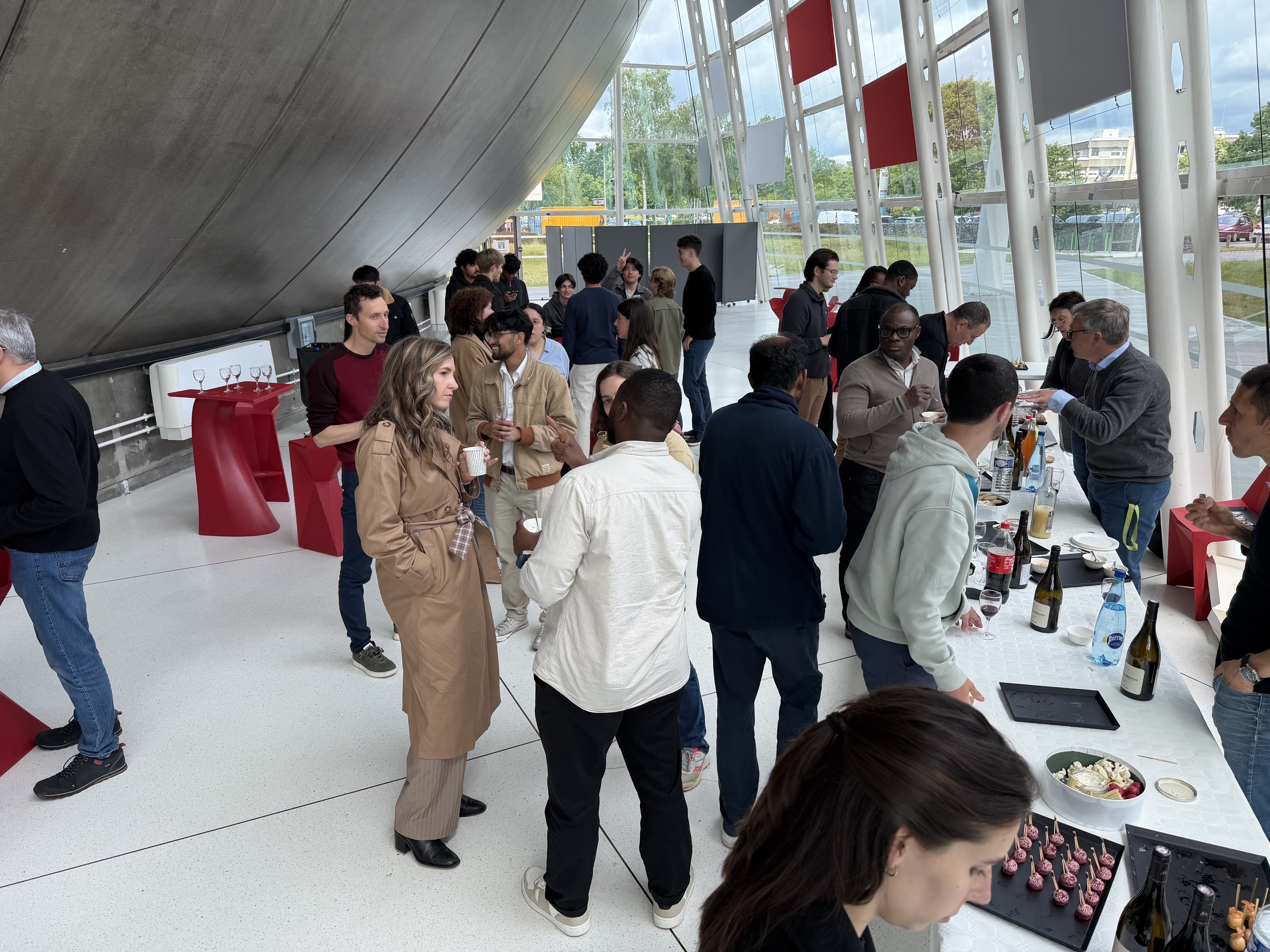
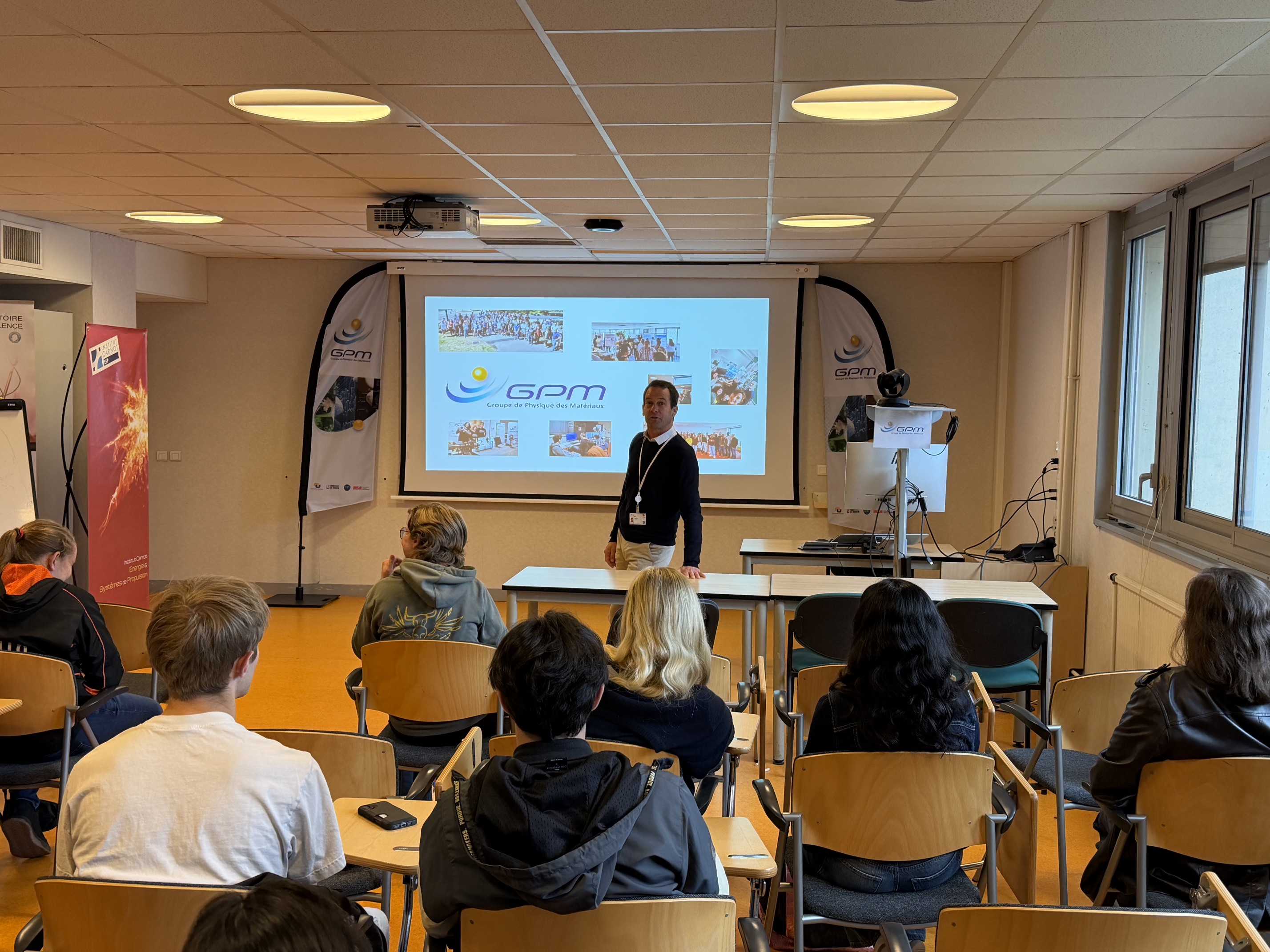
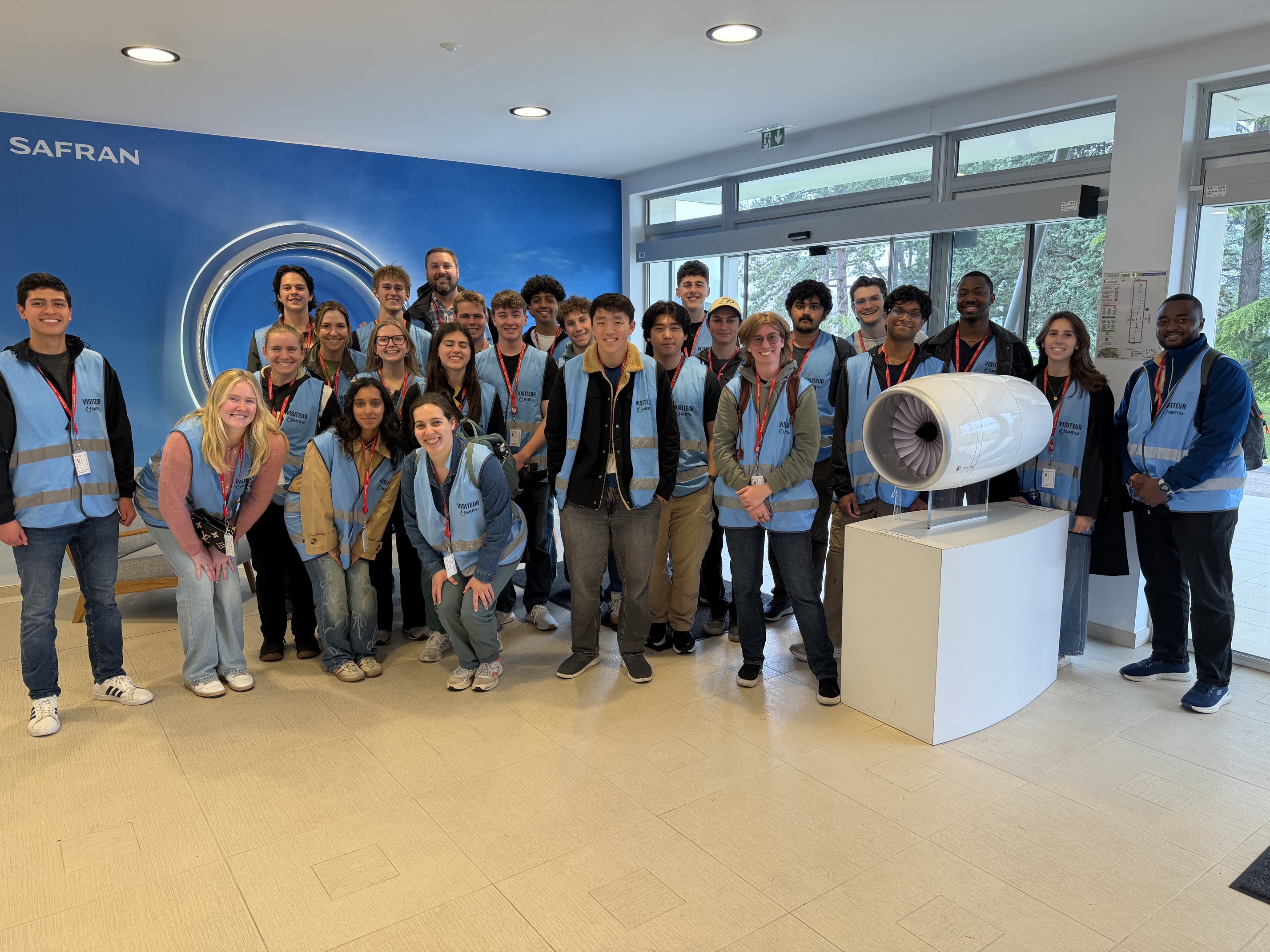
A major addition to the 2026 program was an industry visit to Safran Nacelles near Le Havre, giving students a firsthand look at aerospace manufacturing and an opportunity to connect classroom discussions in advanced manufacturing with industrial practice. Students also participated in coursework and laboratory activities at INSA Rouen Normandie and Université de Rouen Normandie, while exploring how additive manufacturing, materials, and design intersect with the region’s artistic and industrial heritage.
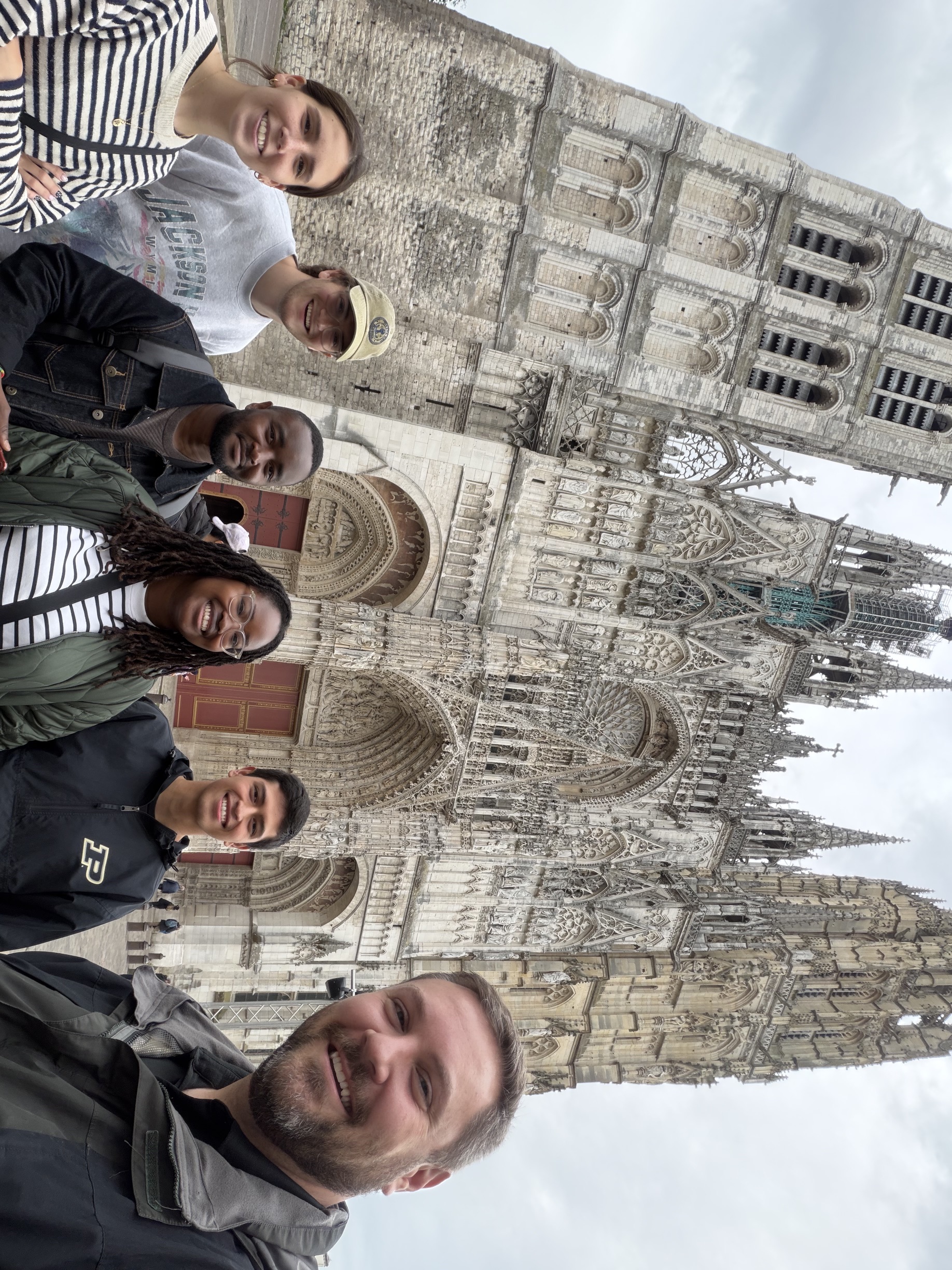
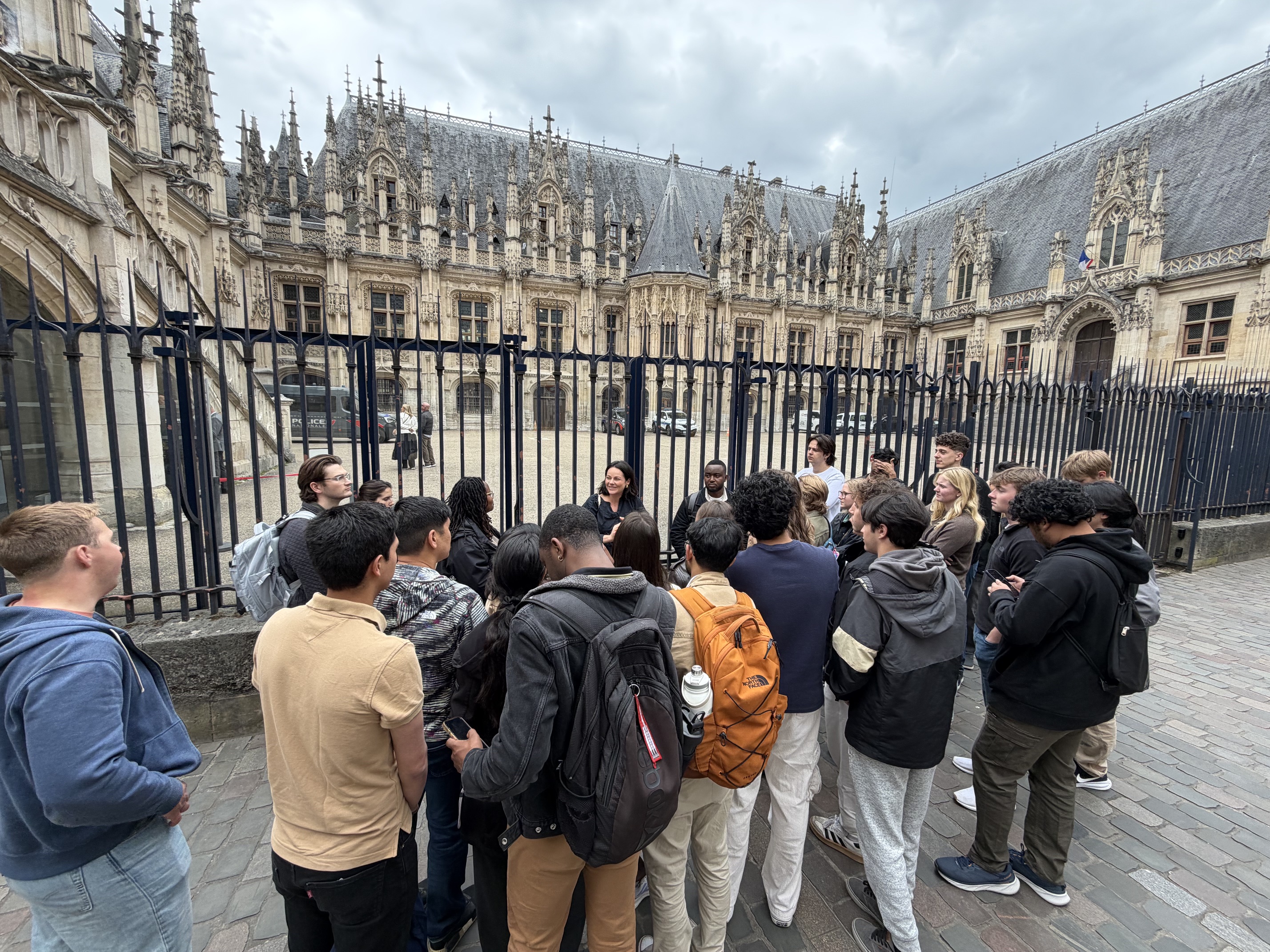
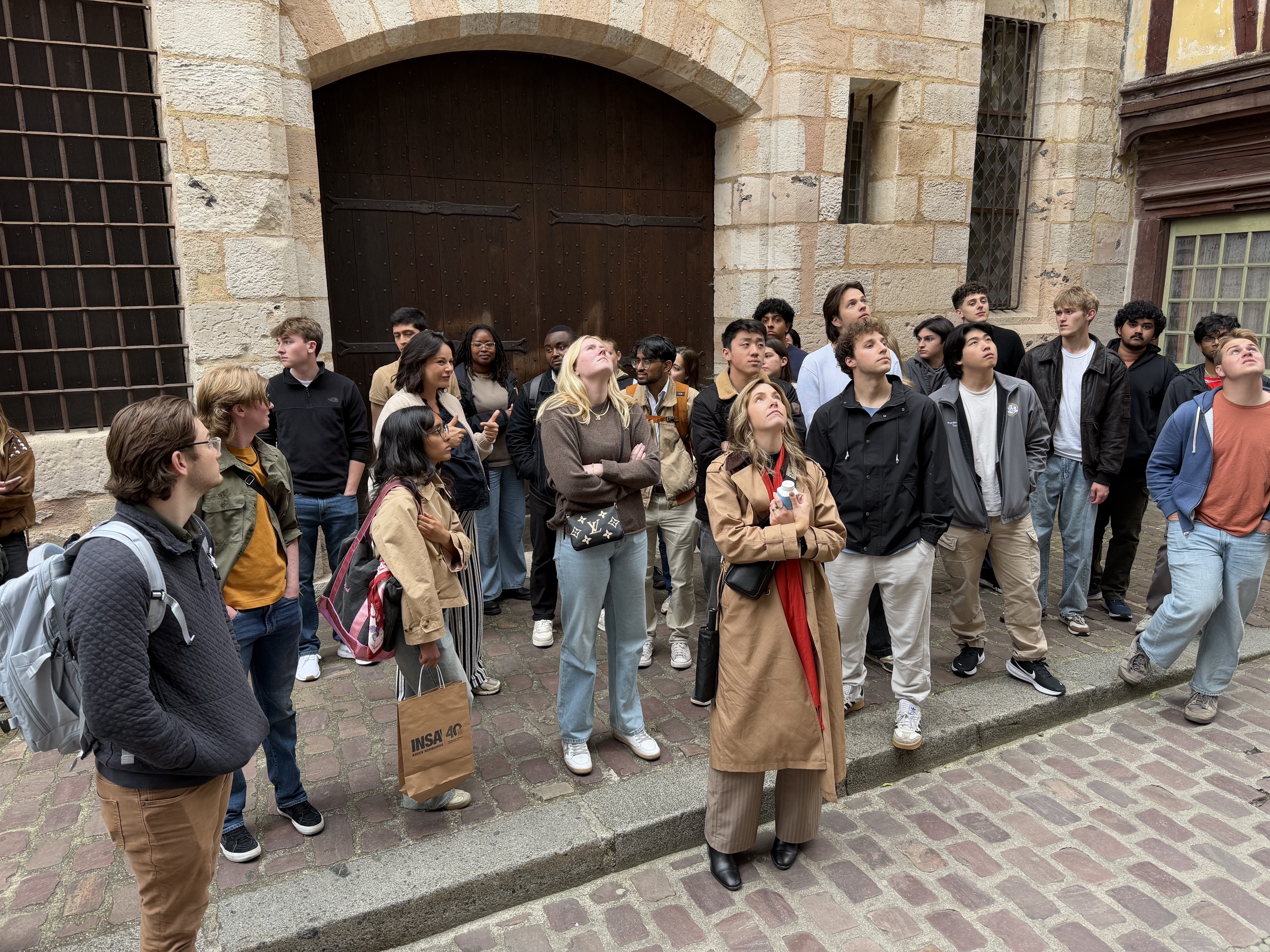
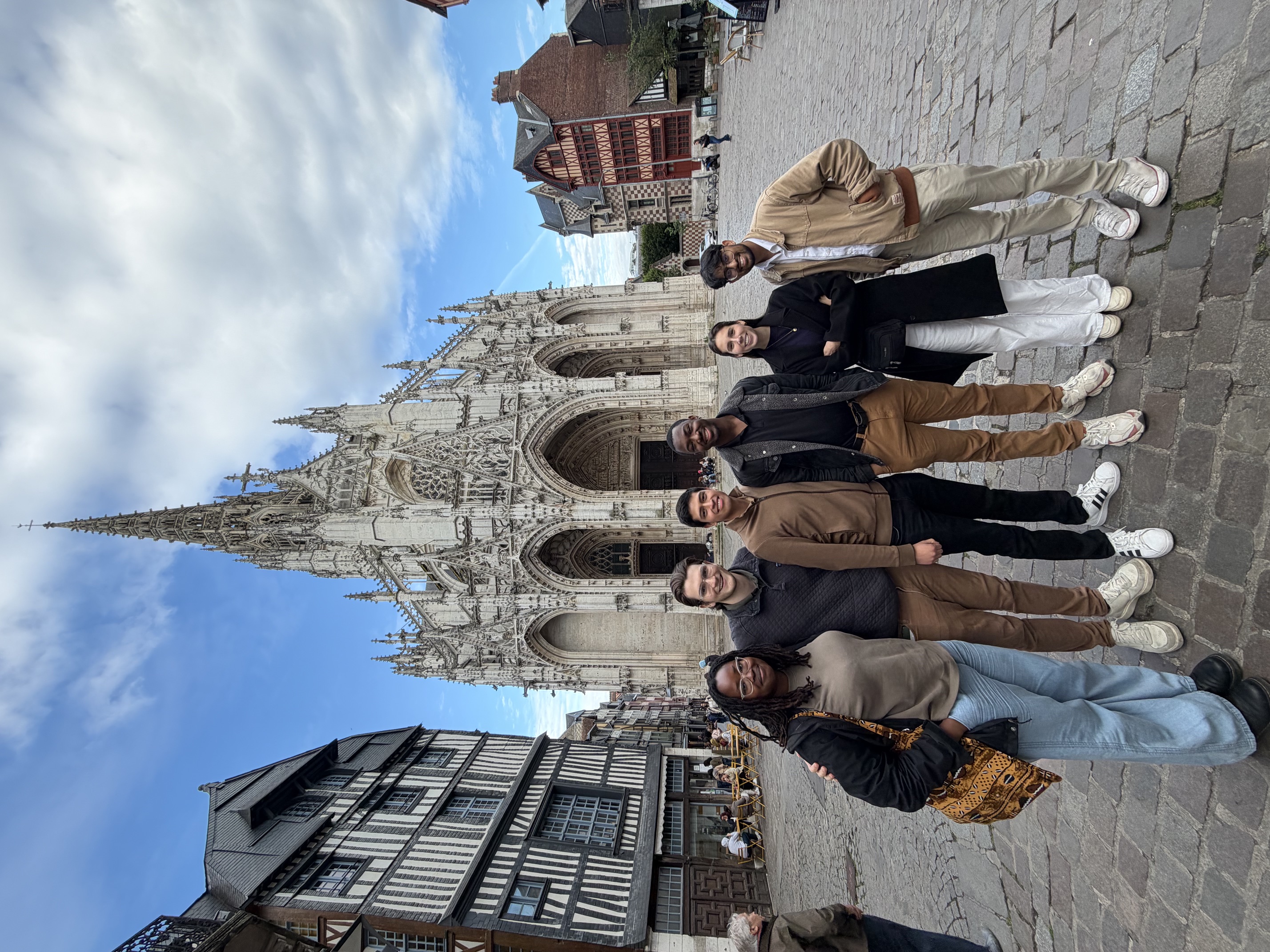
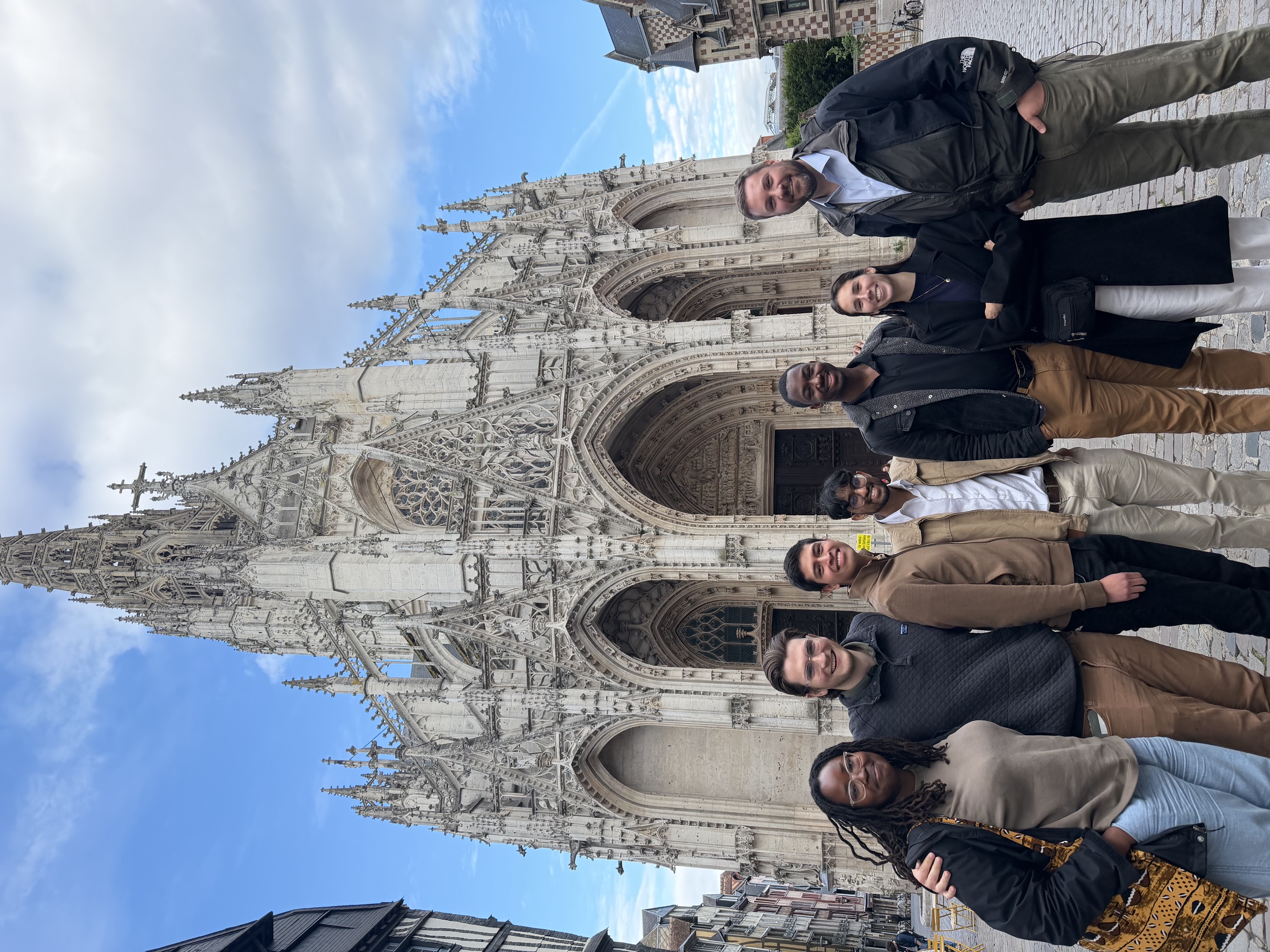
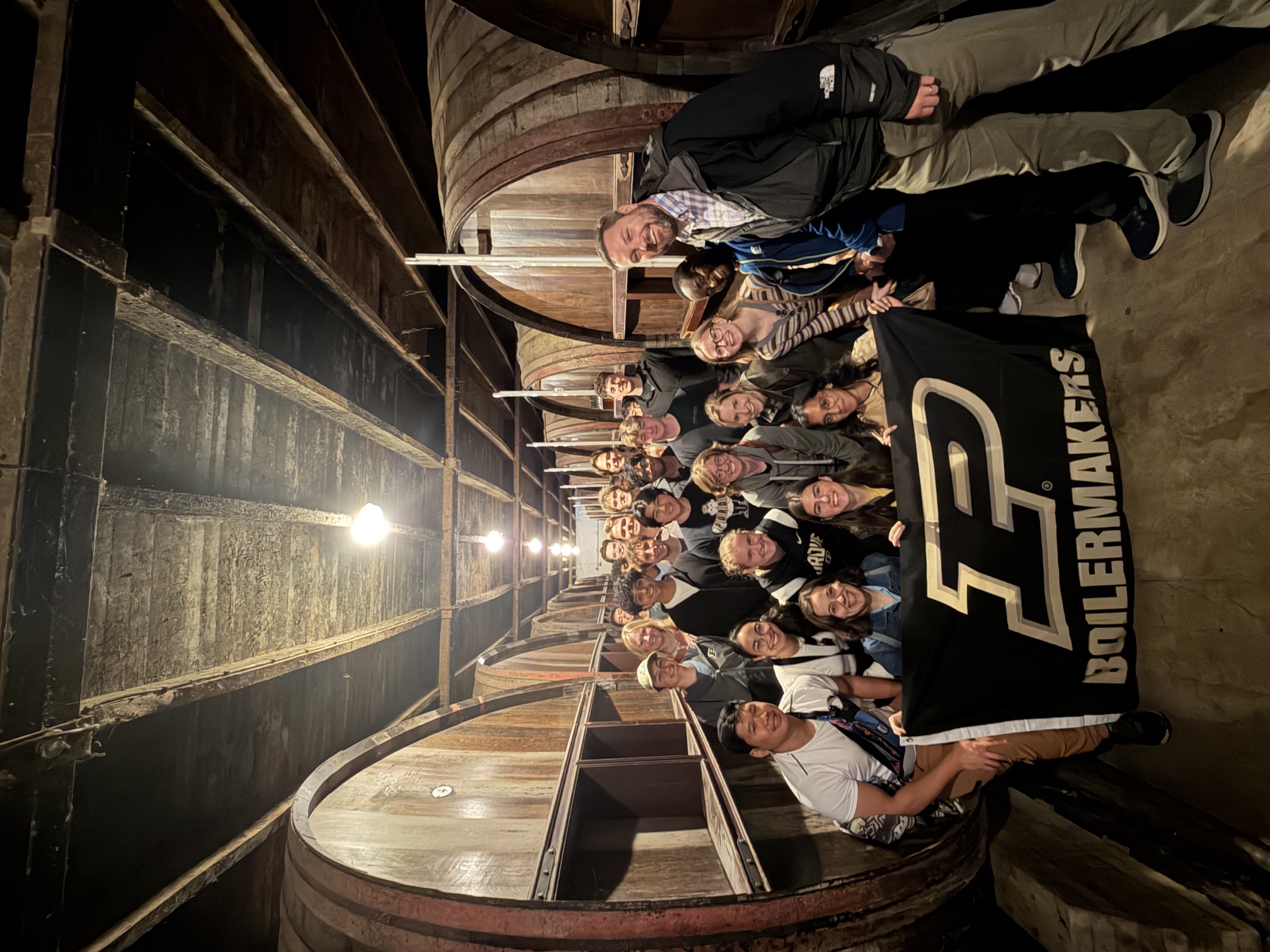
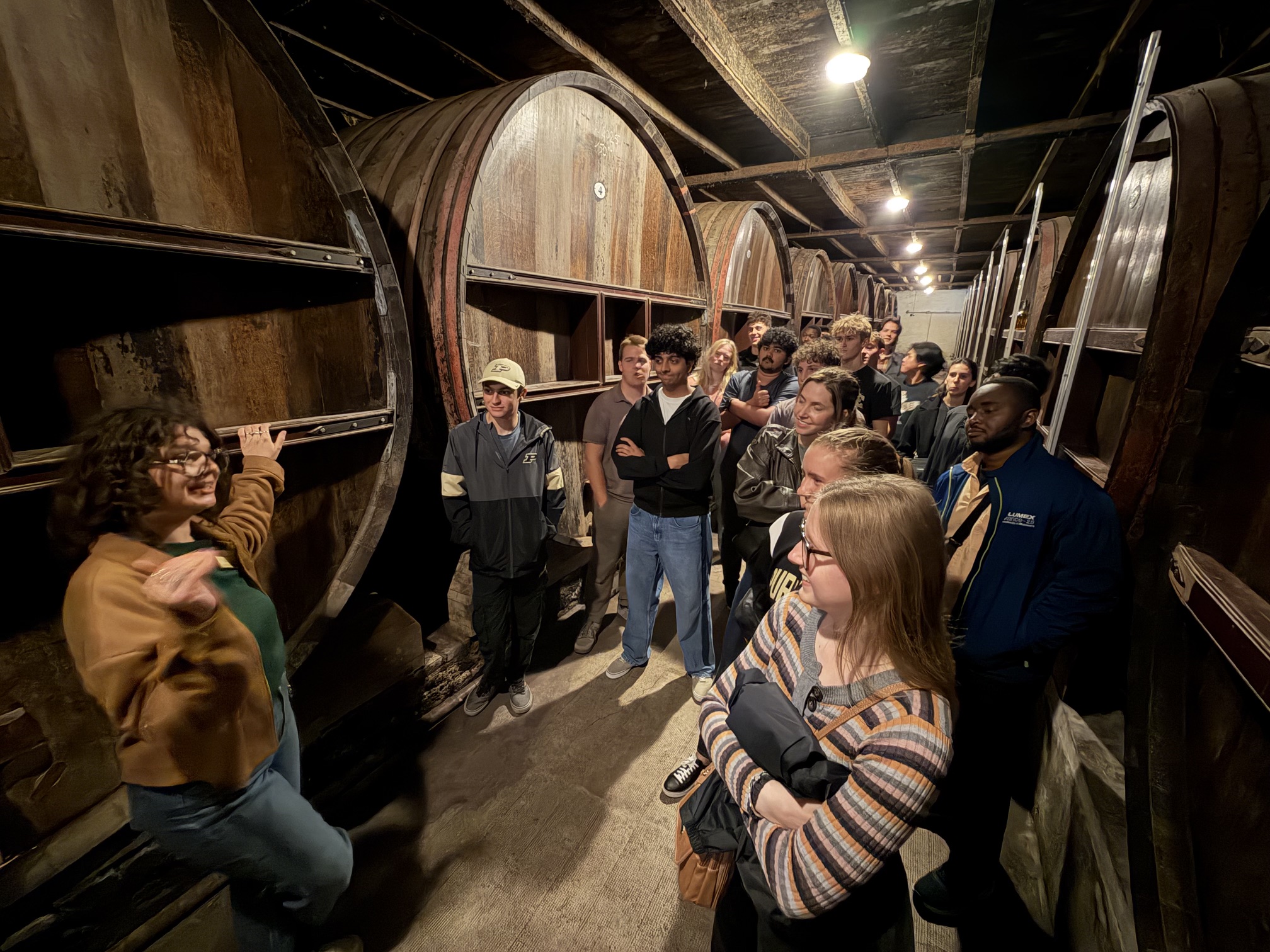
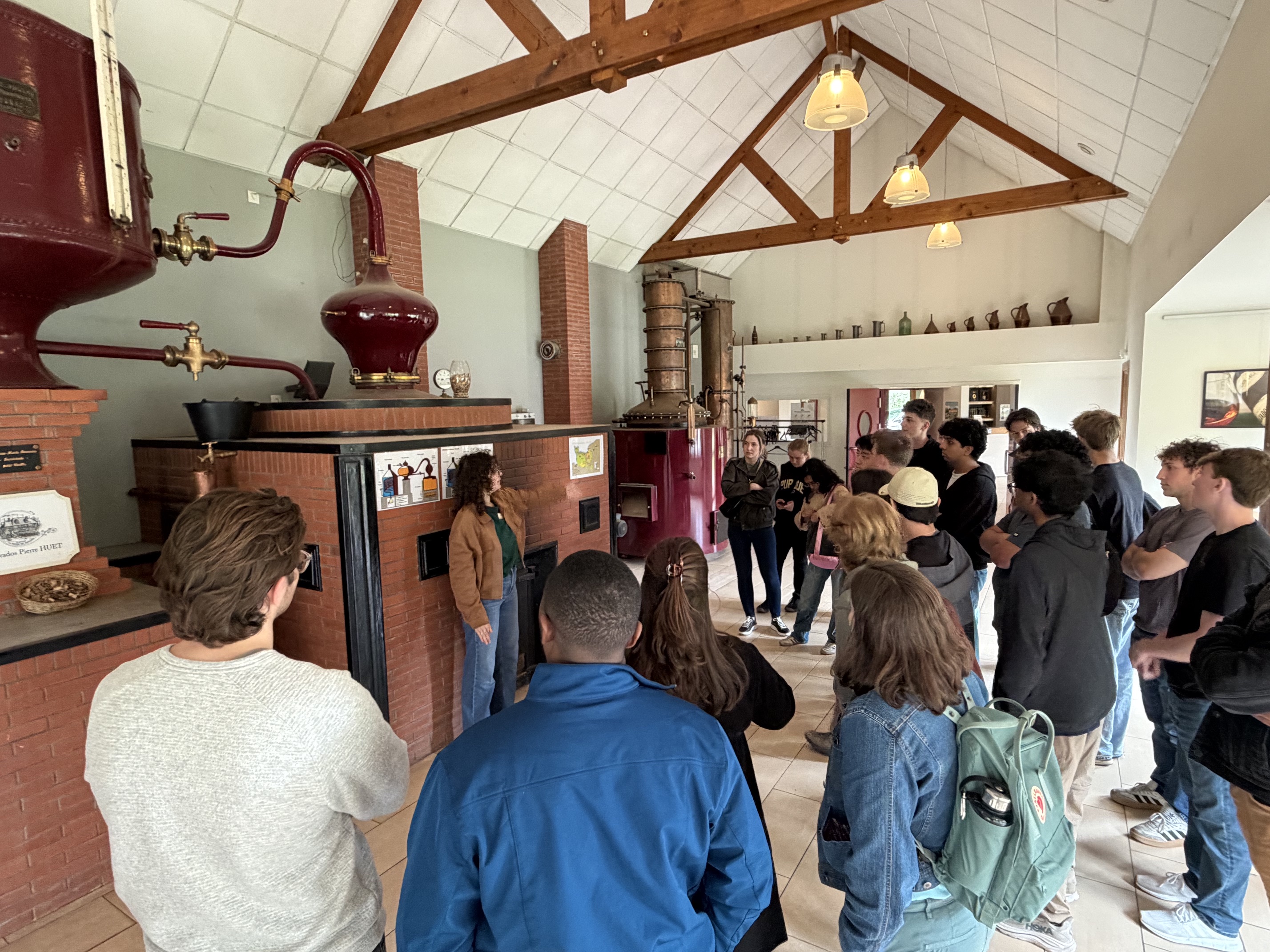
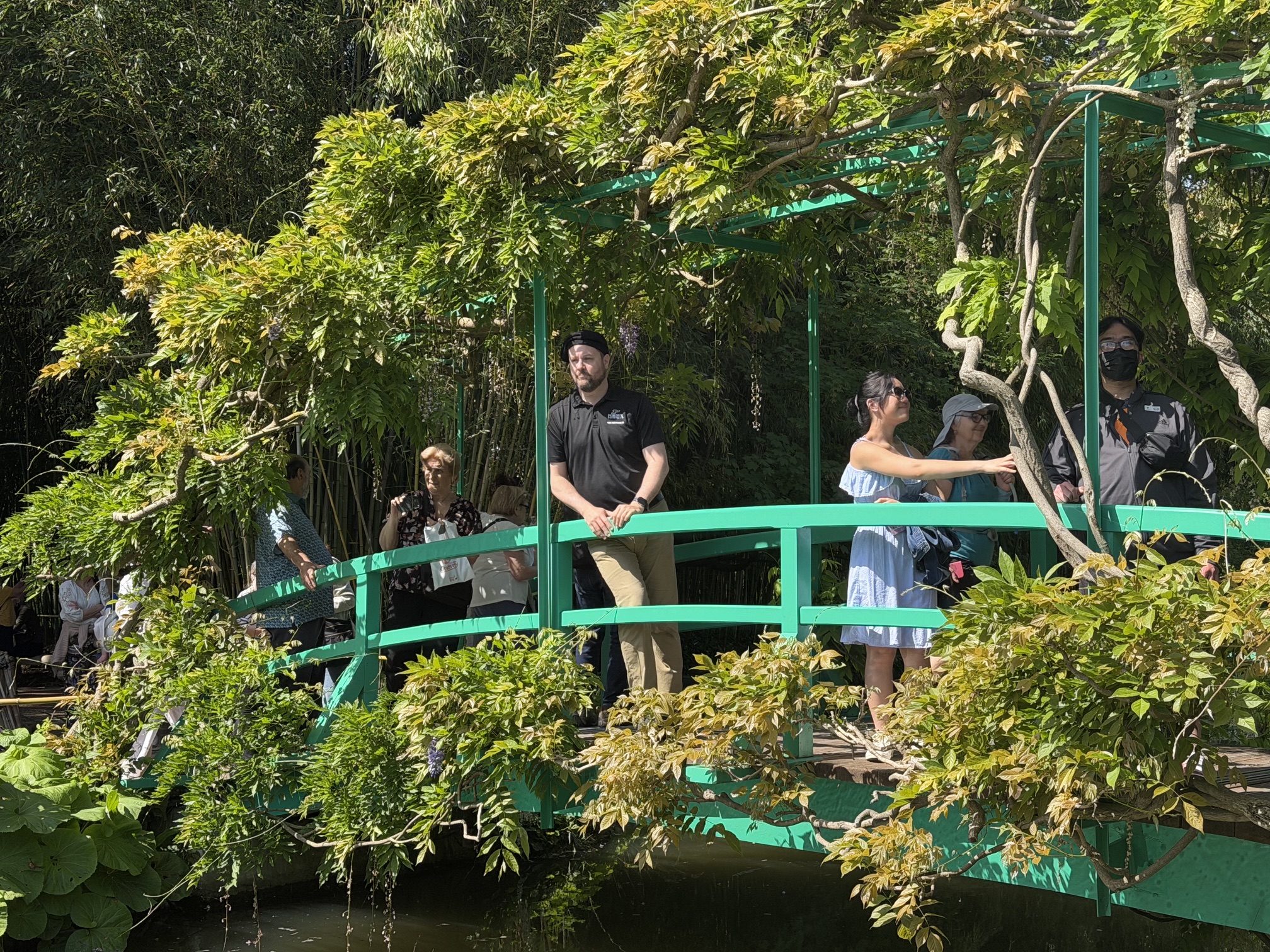
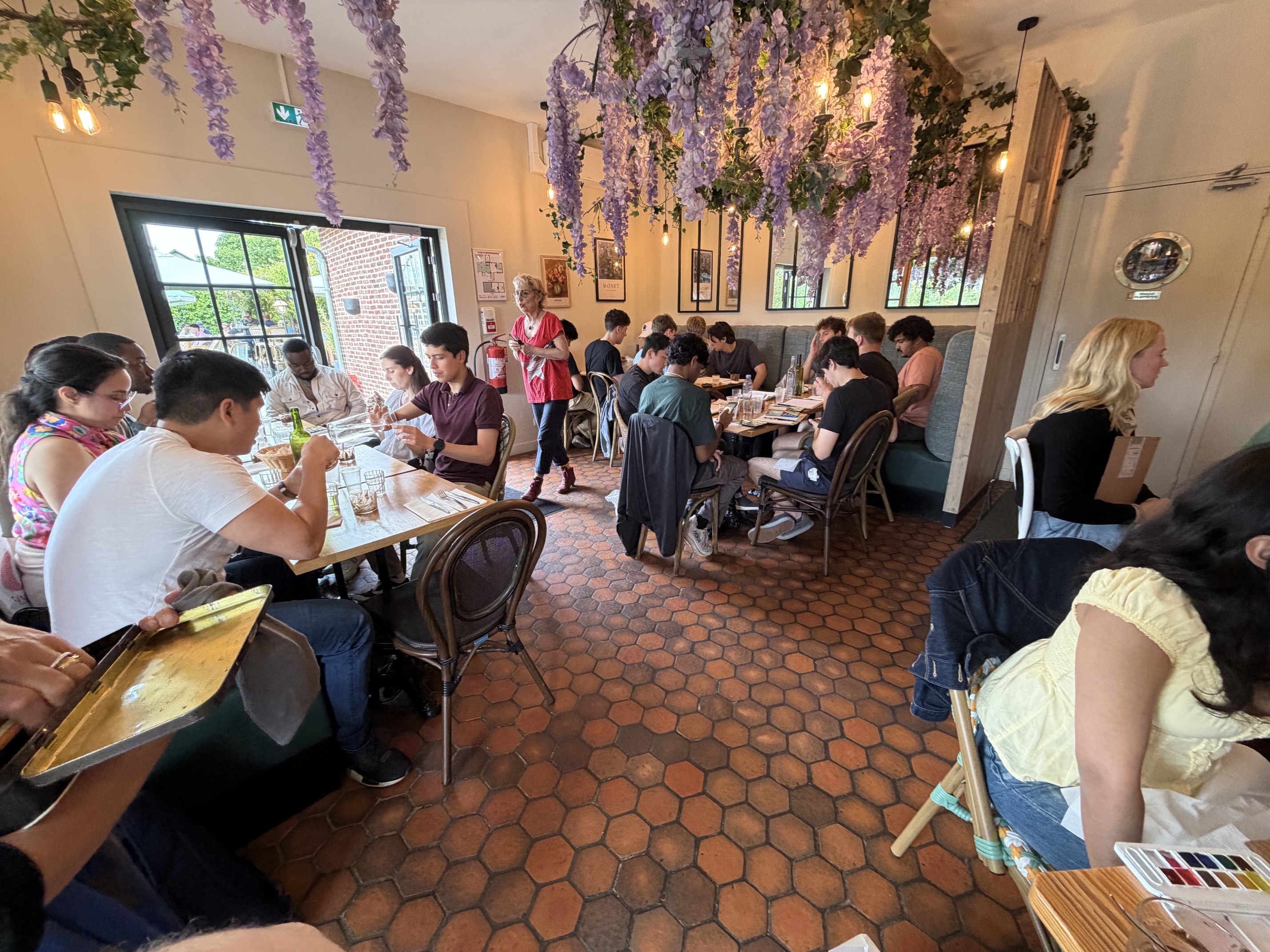
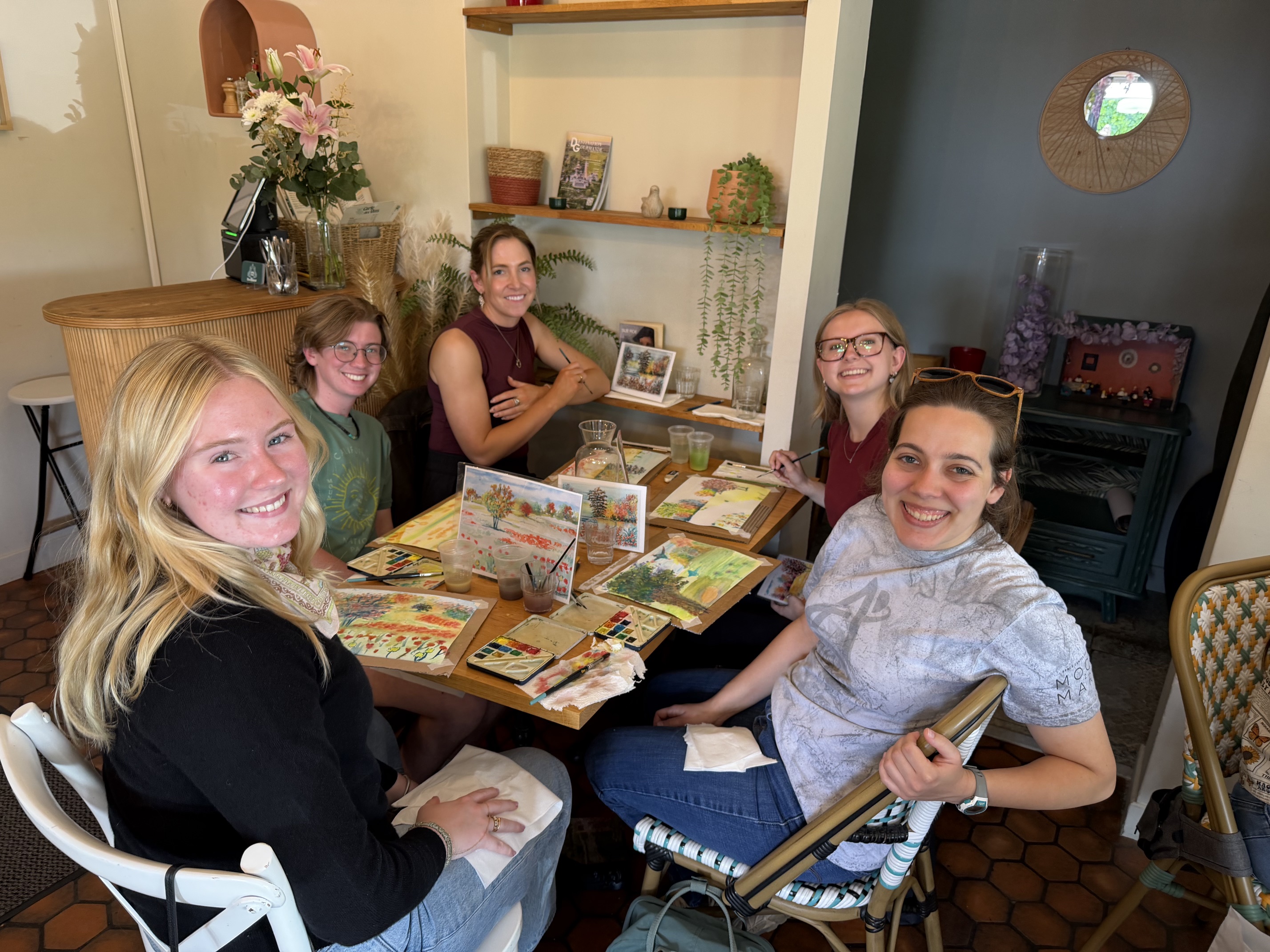
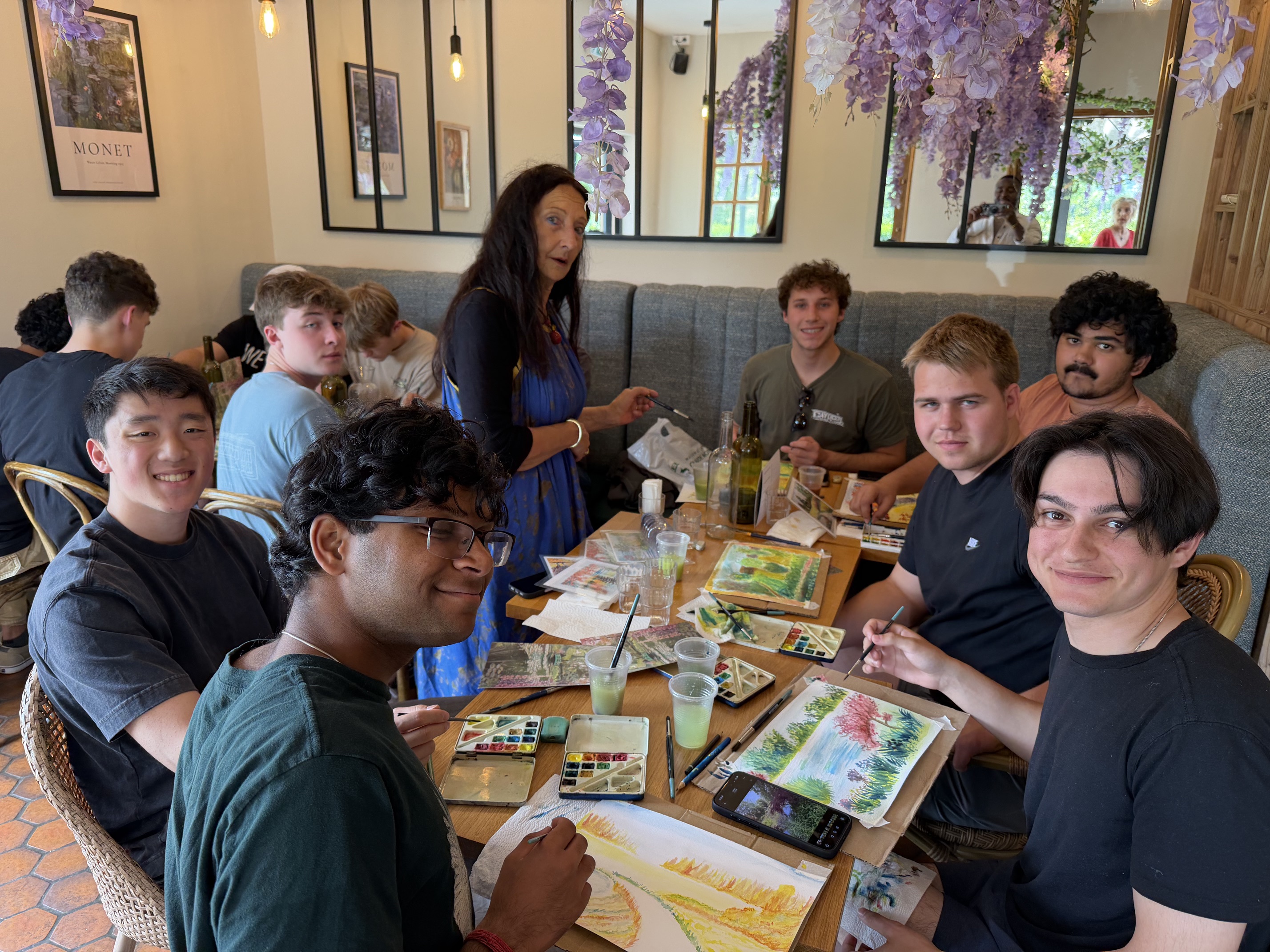
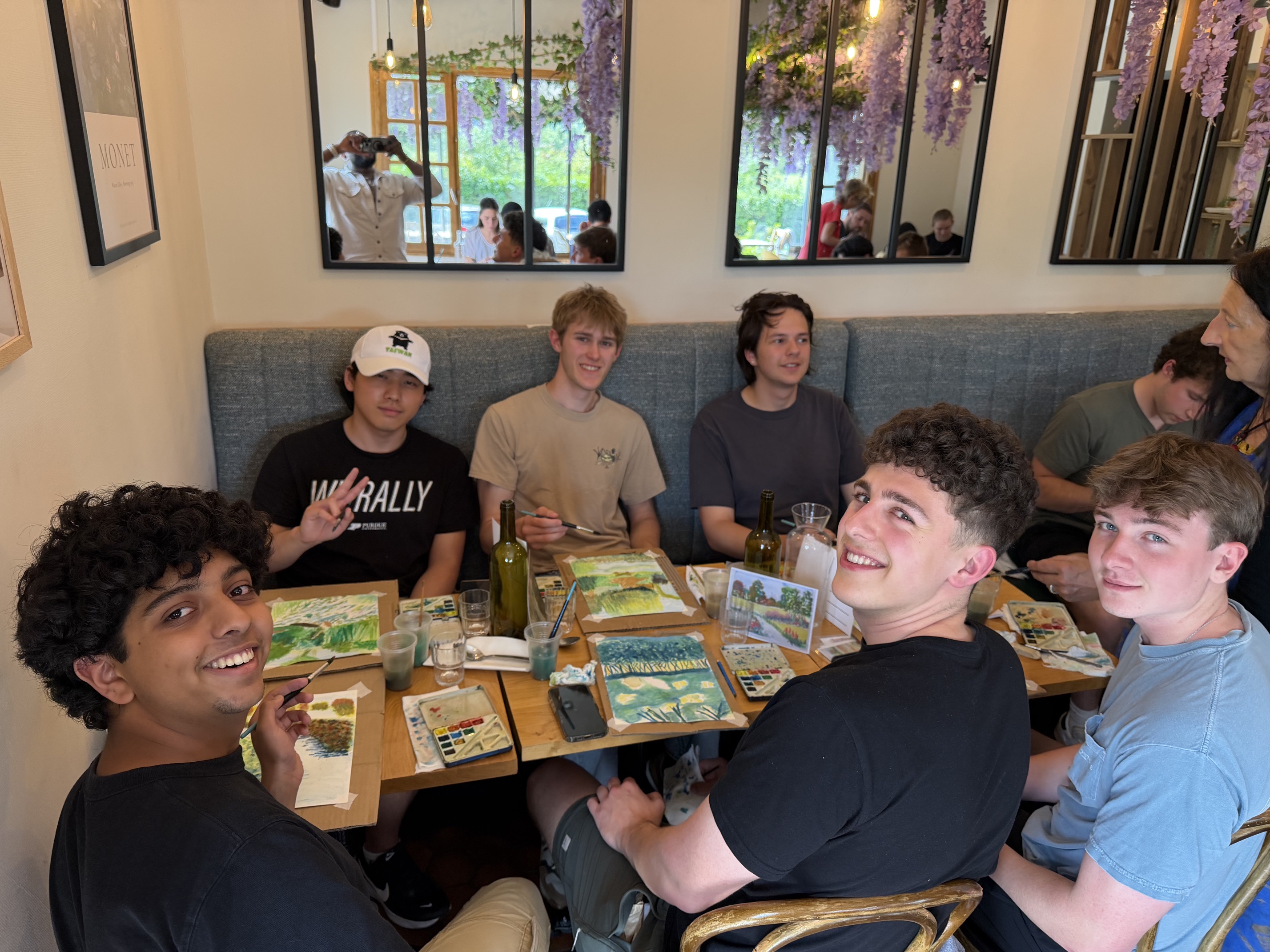
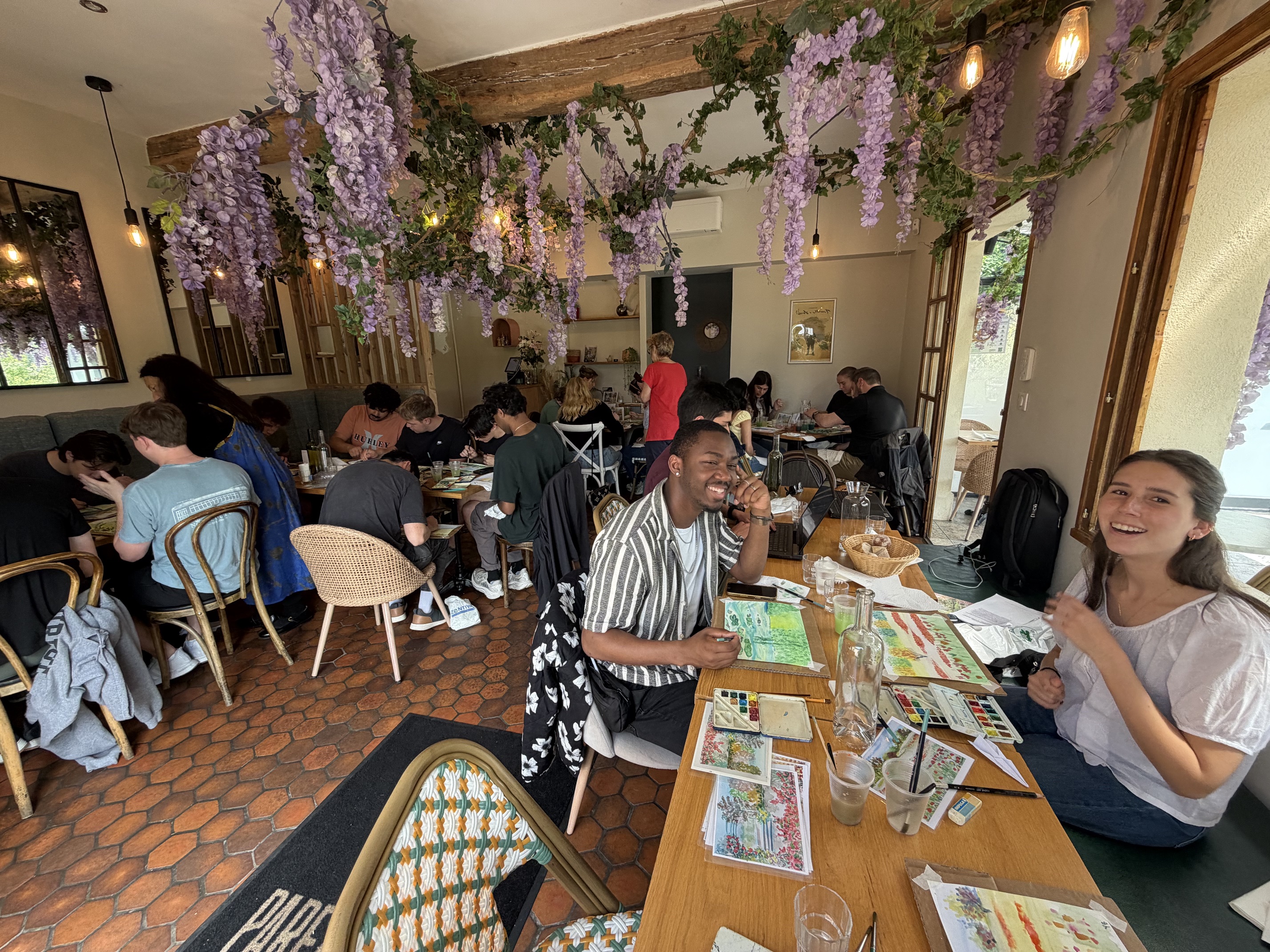
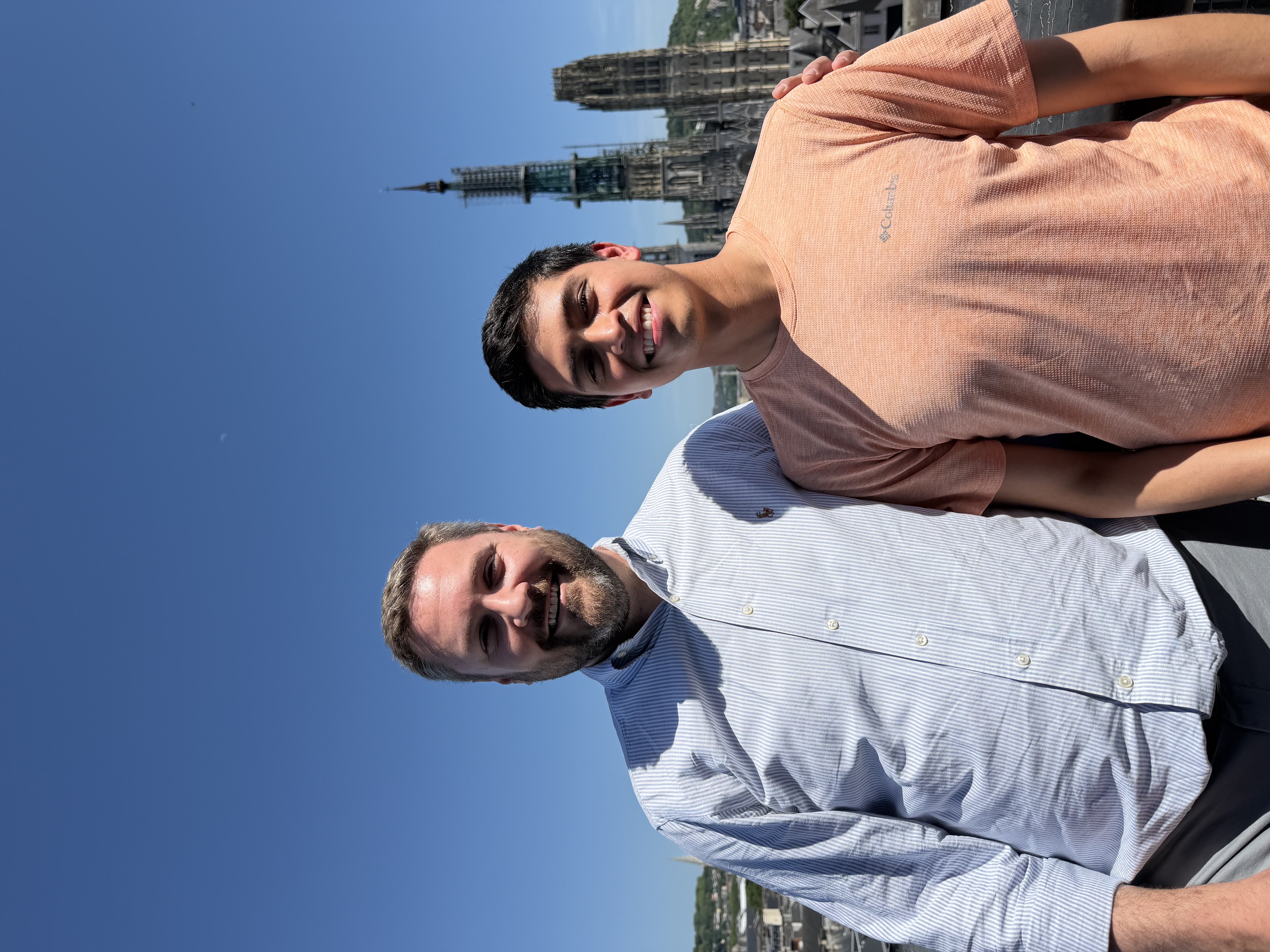
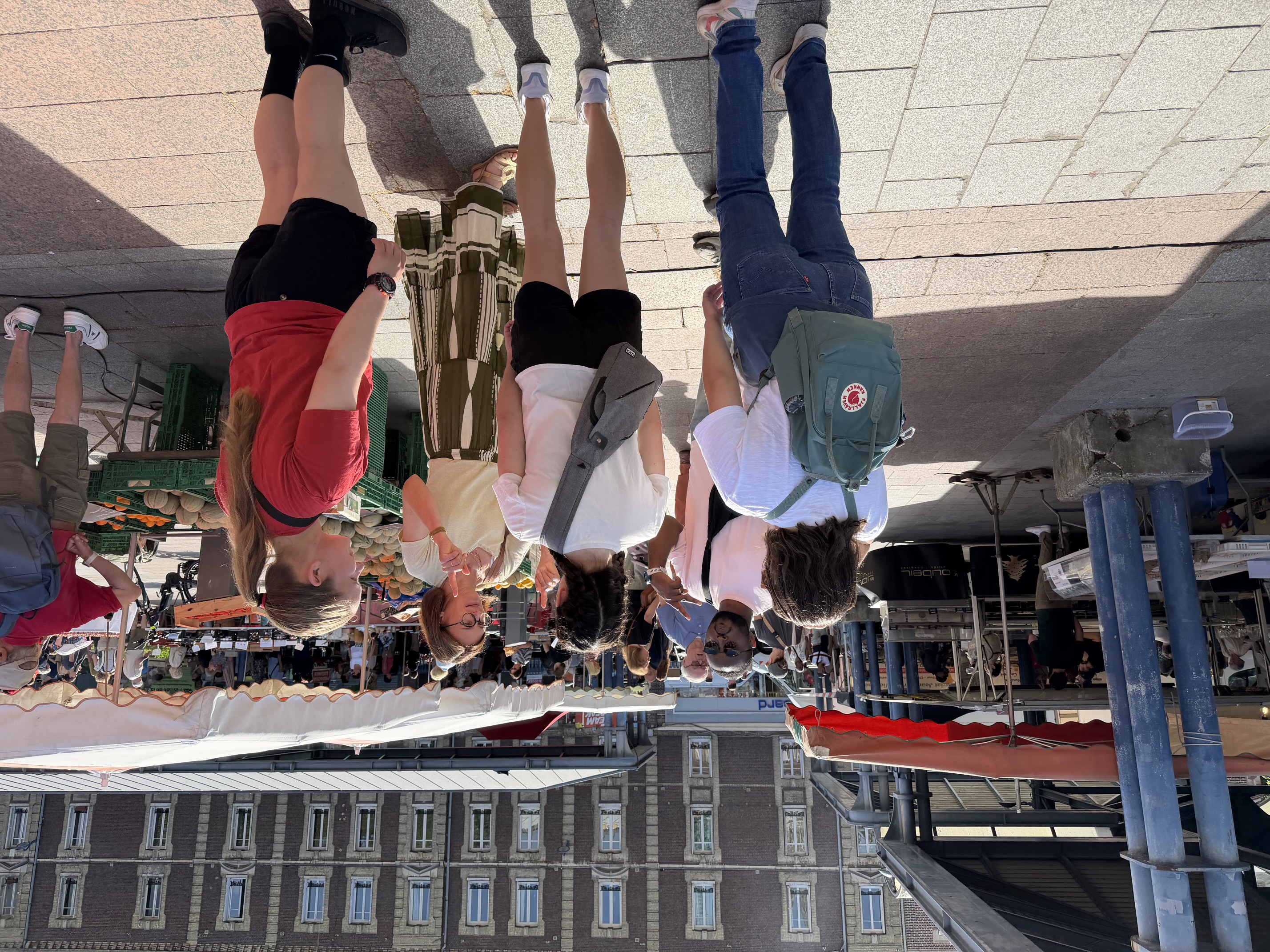
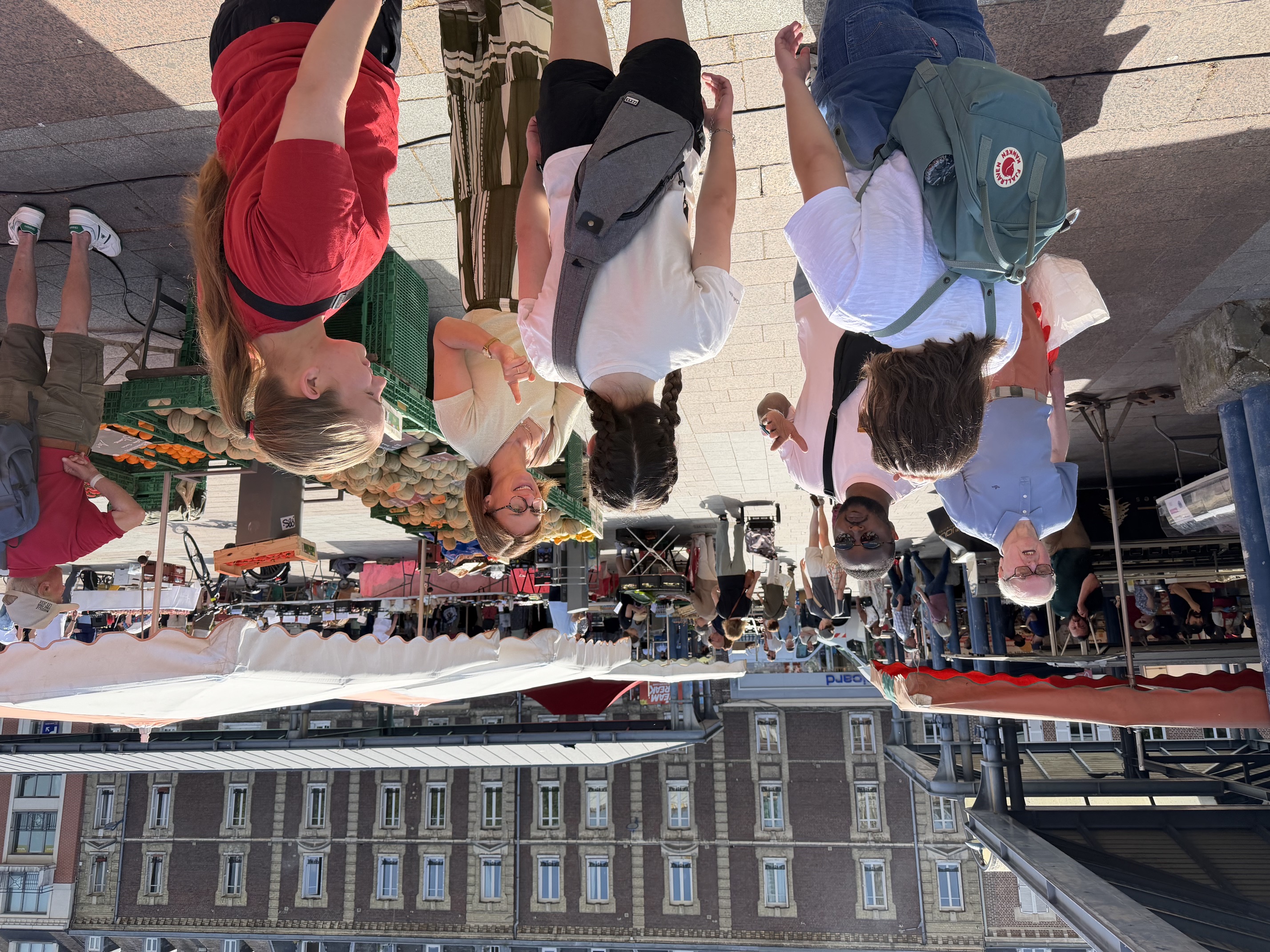
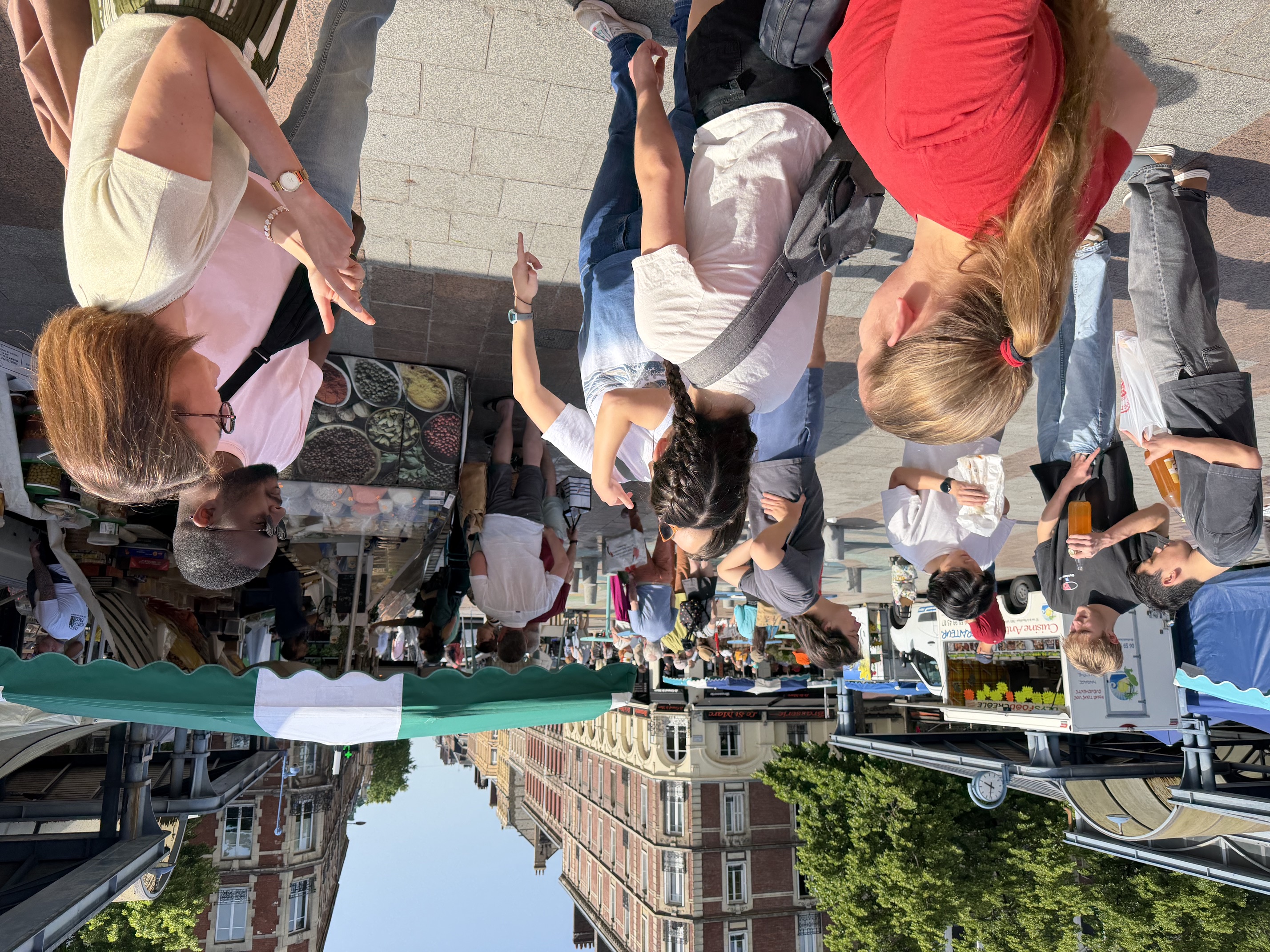
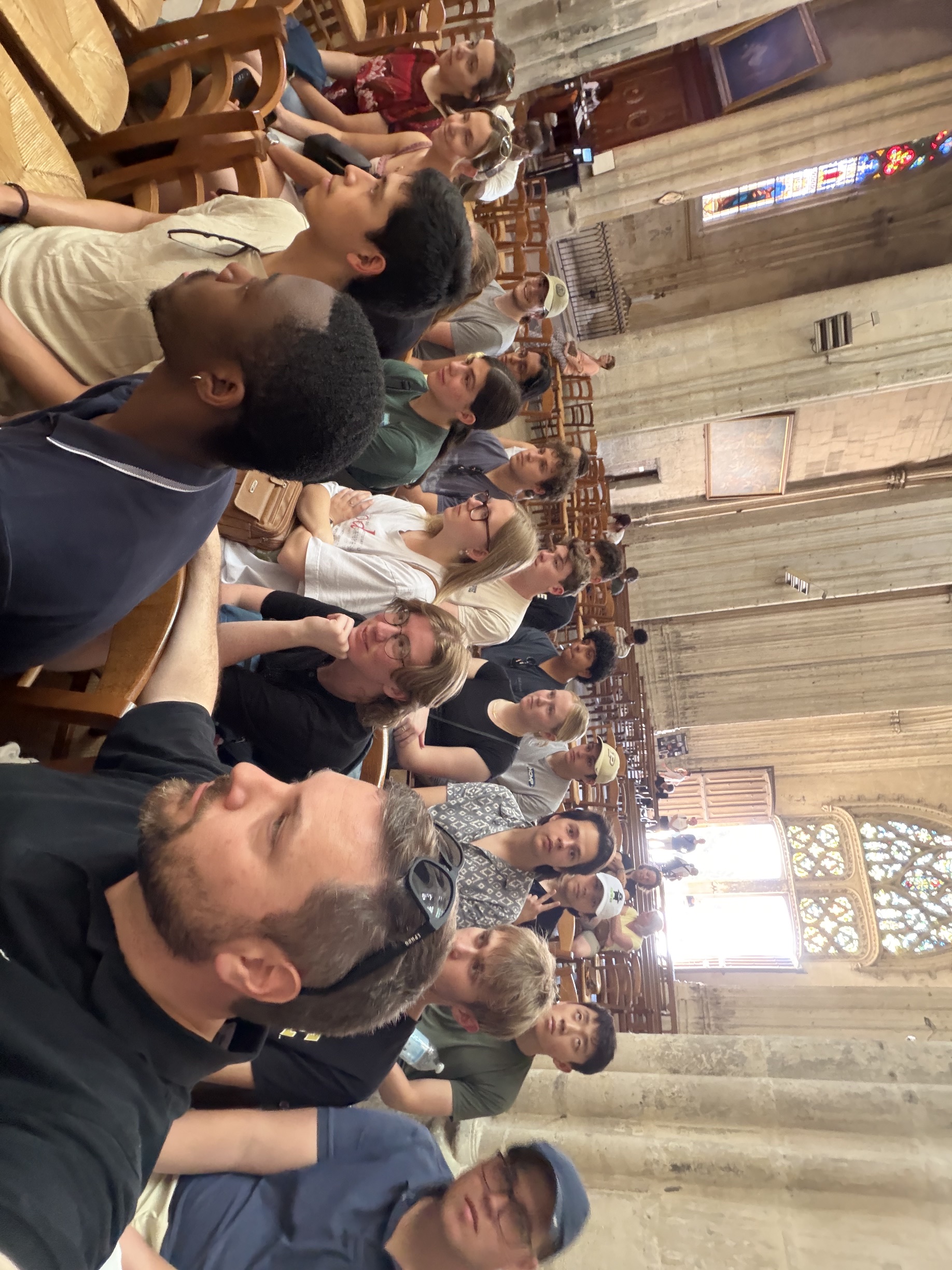
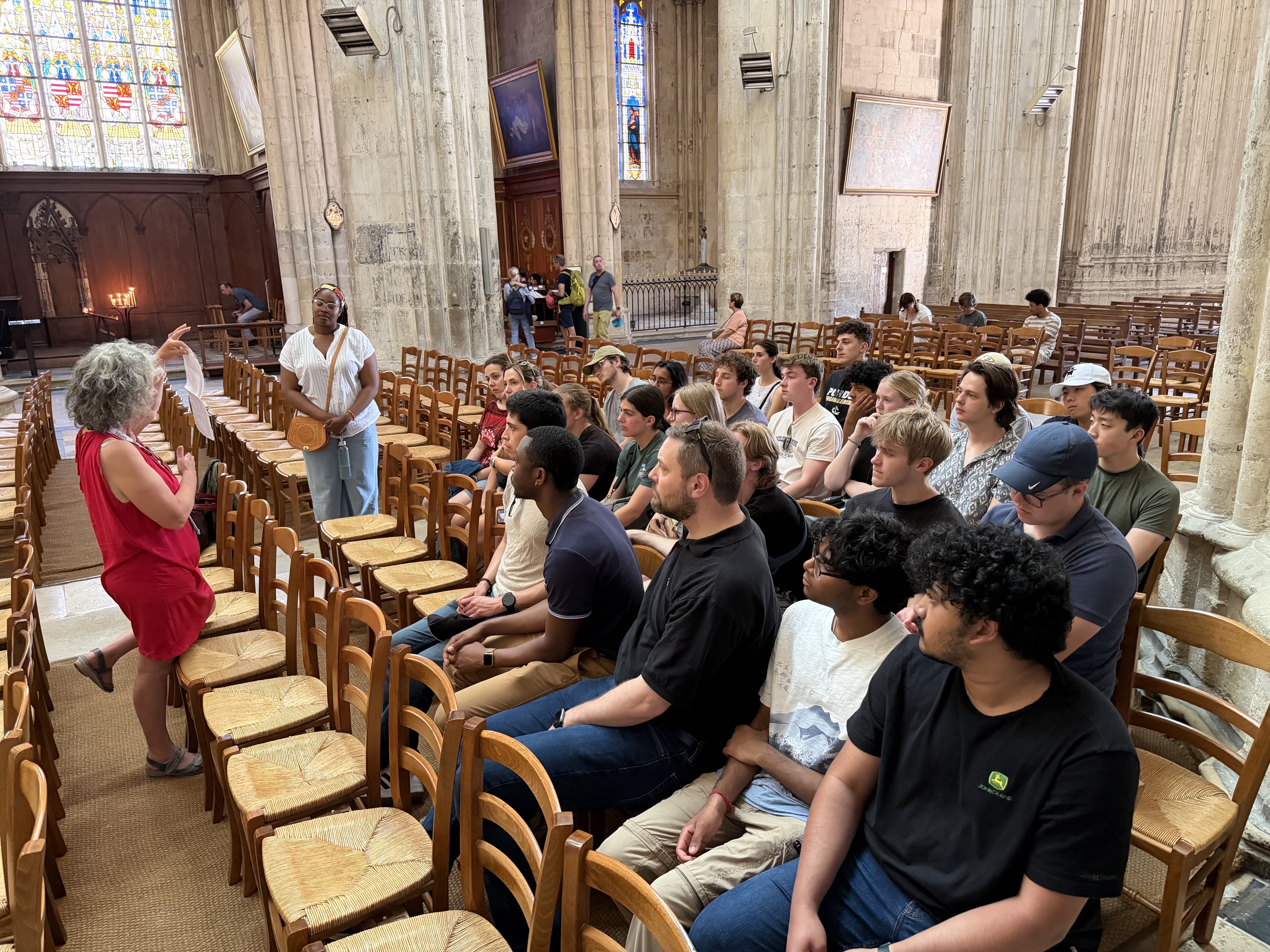
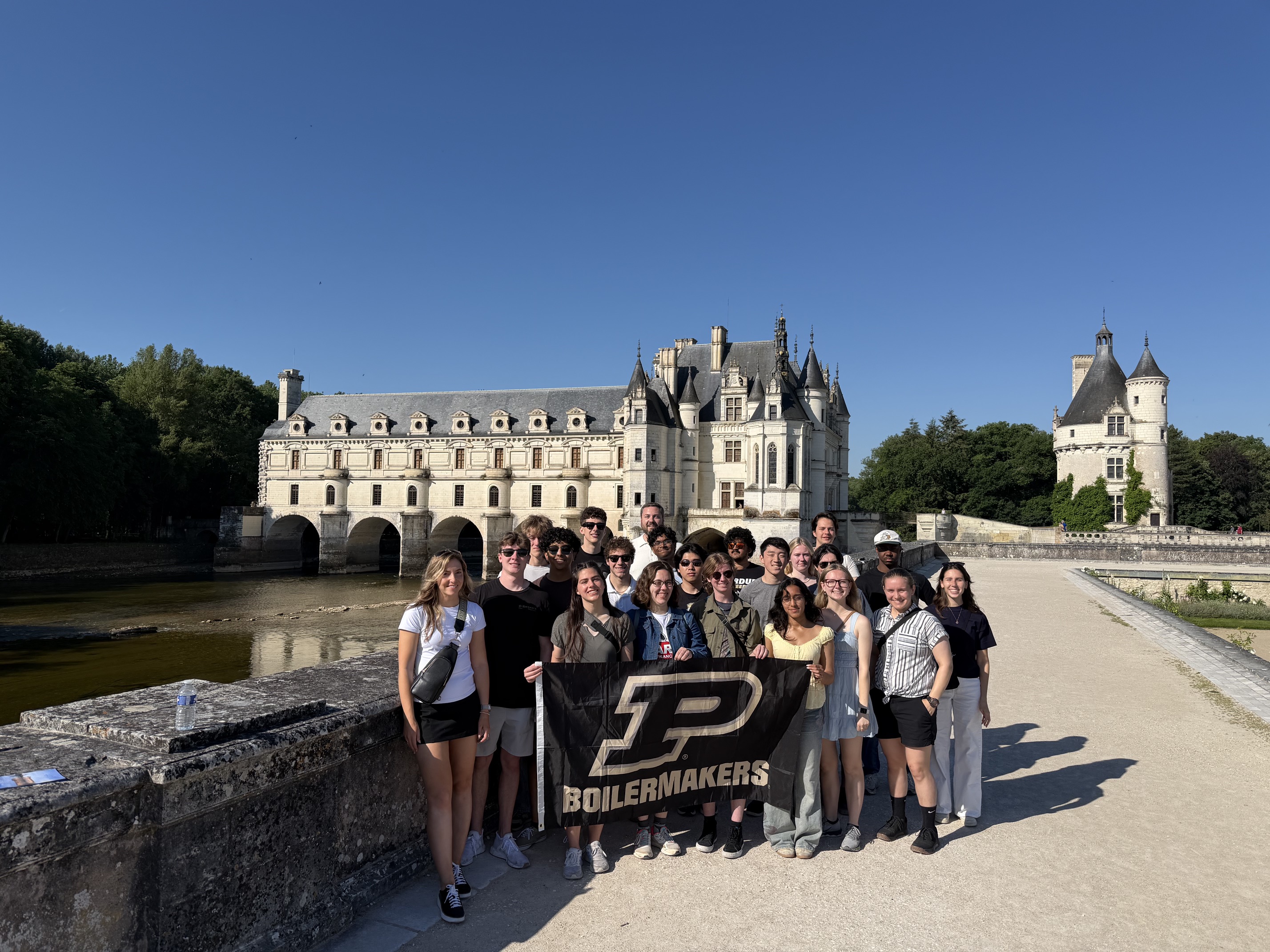
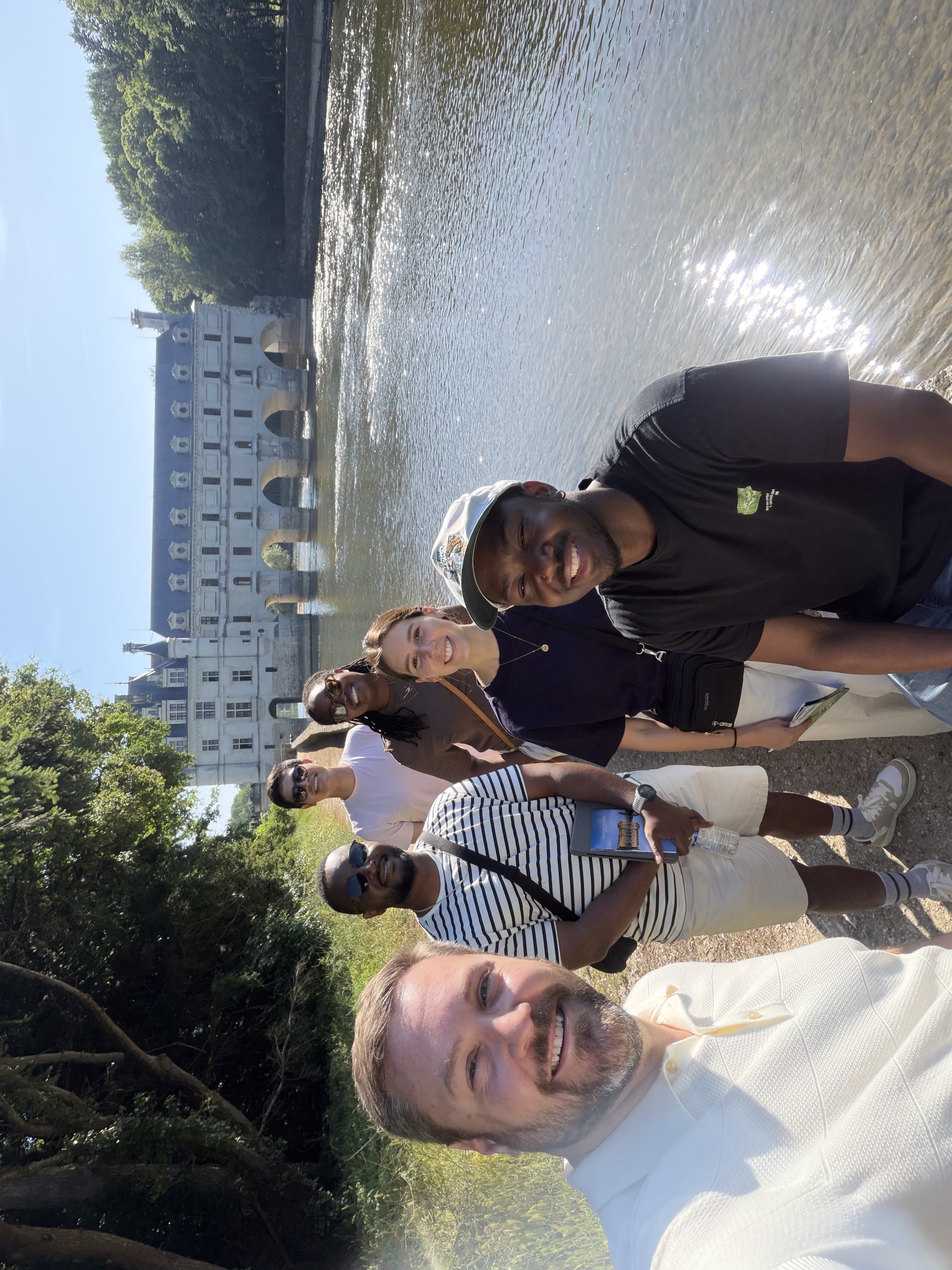
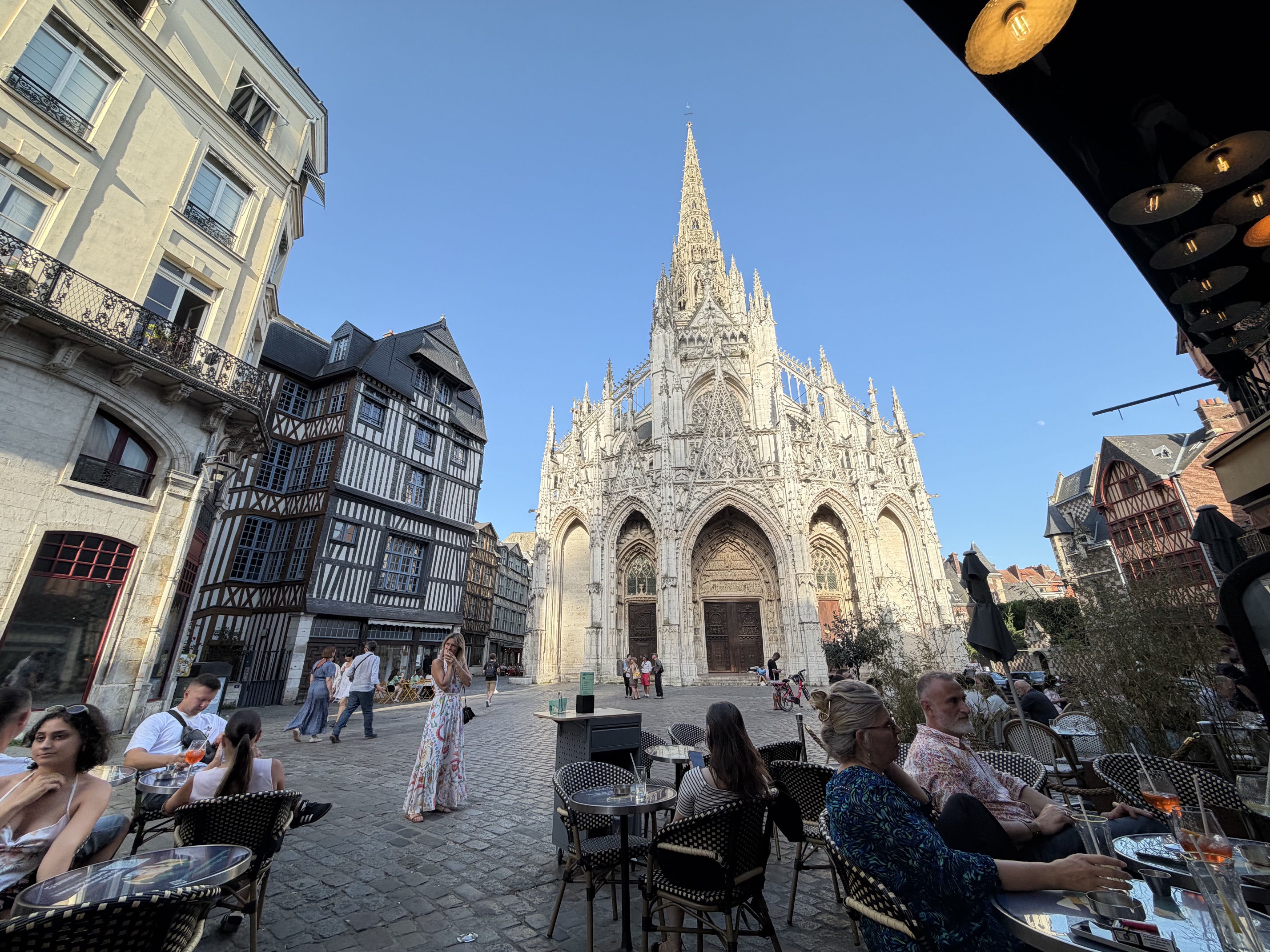
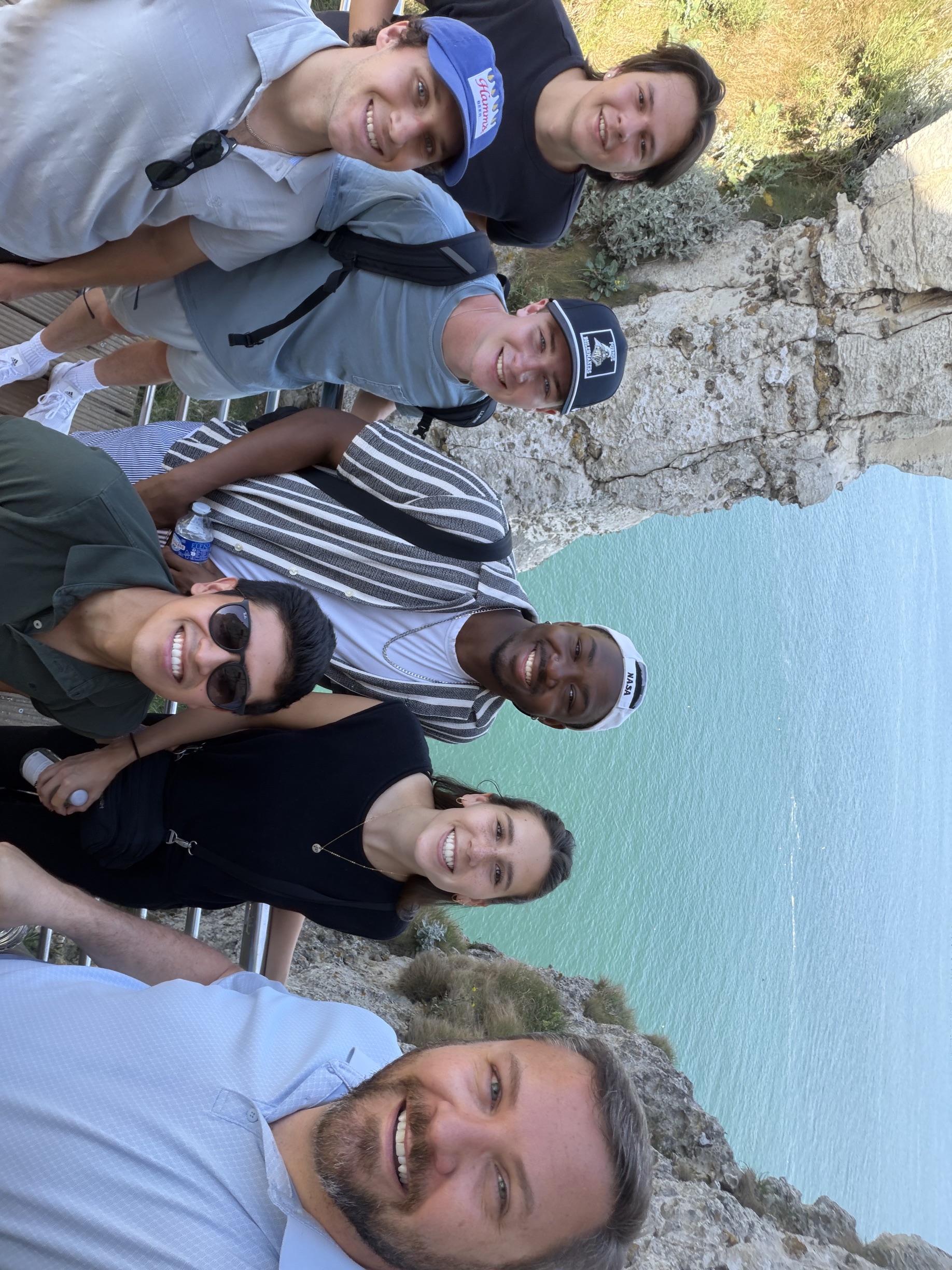
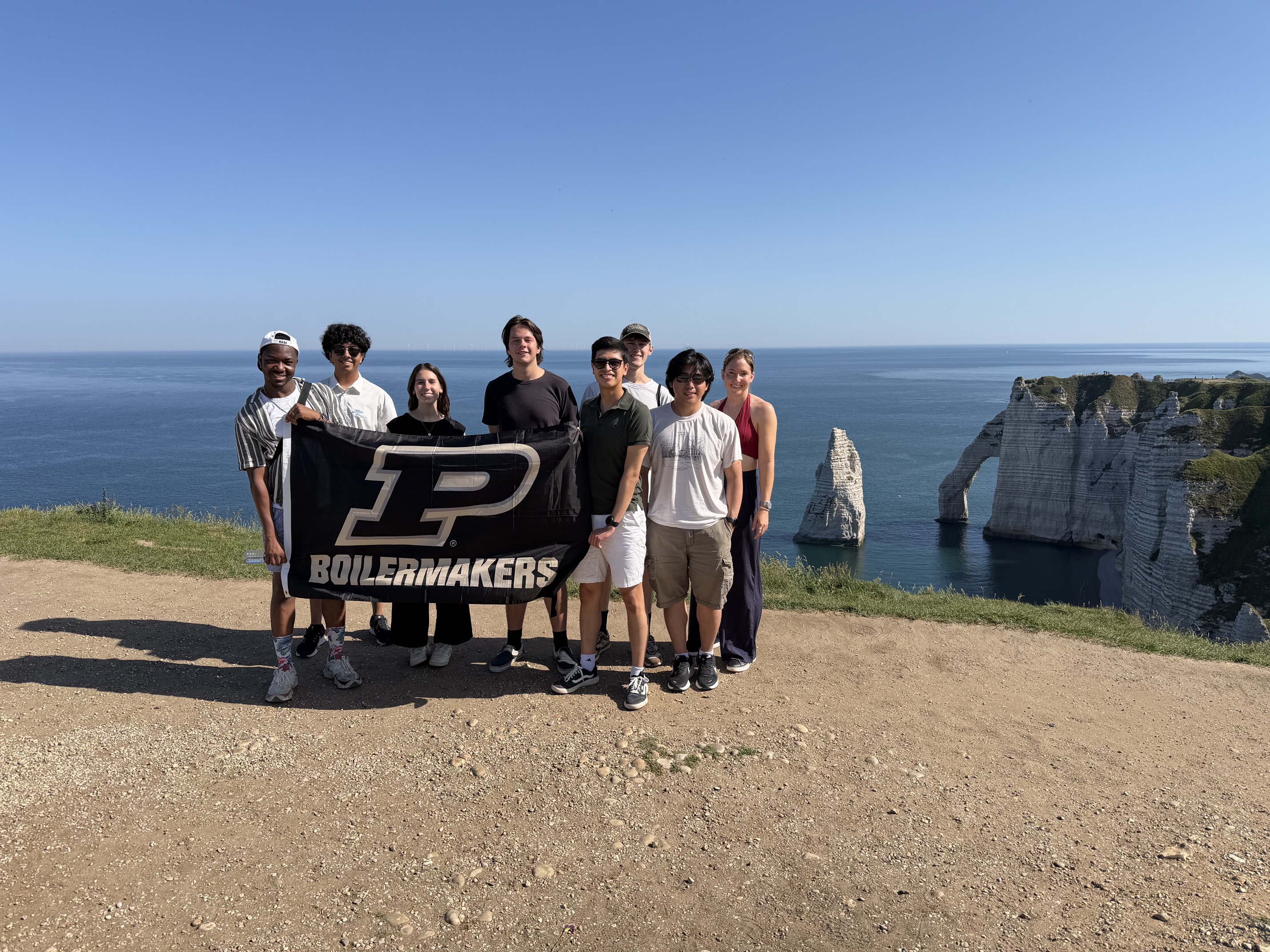
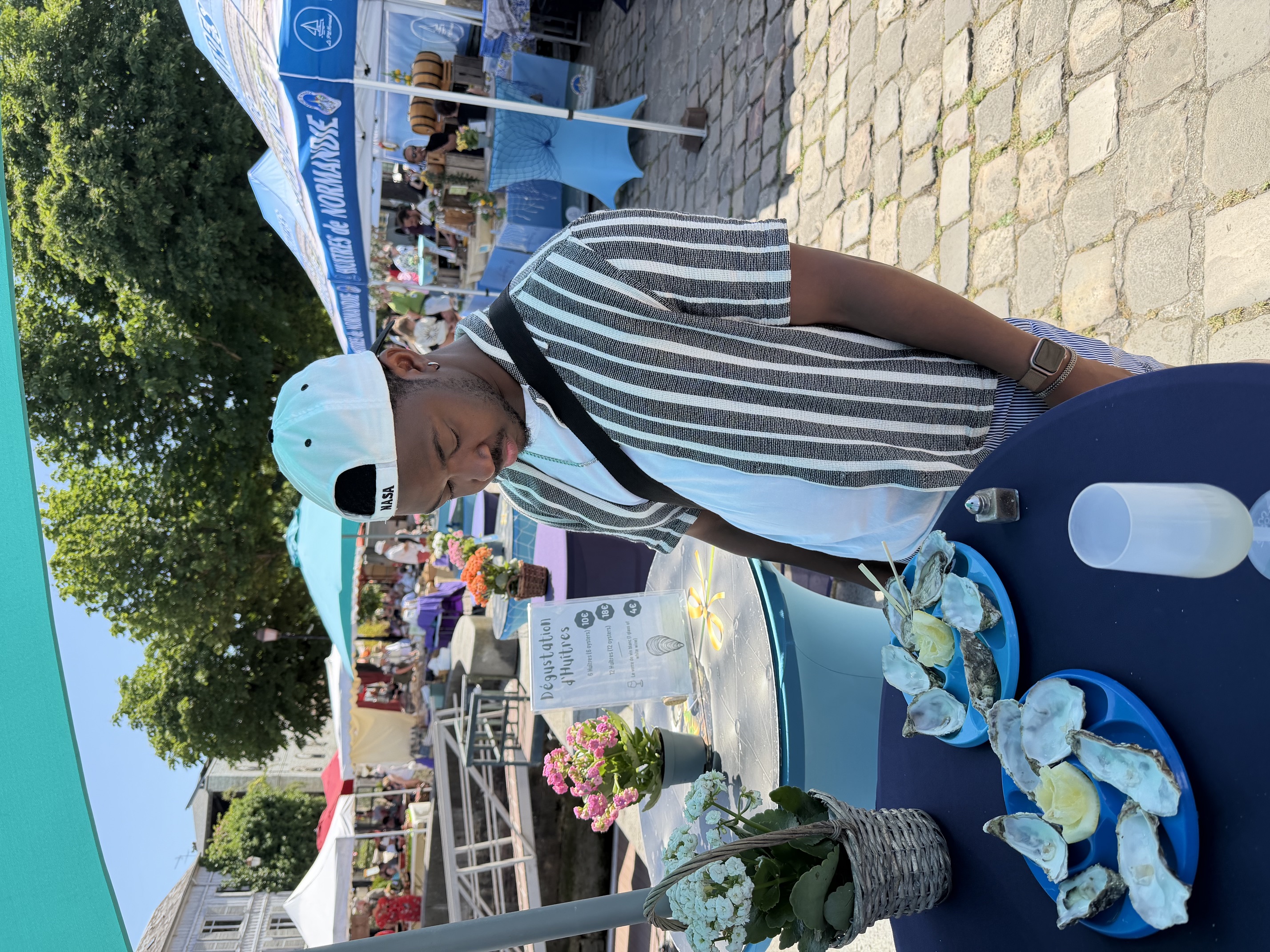
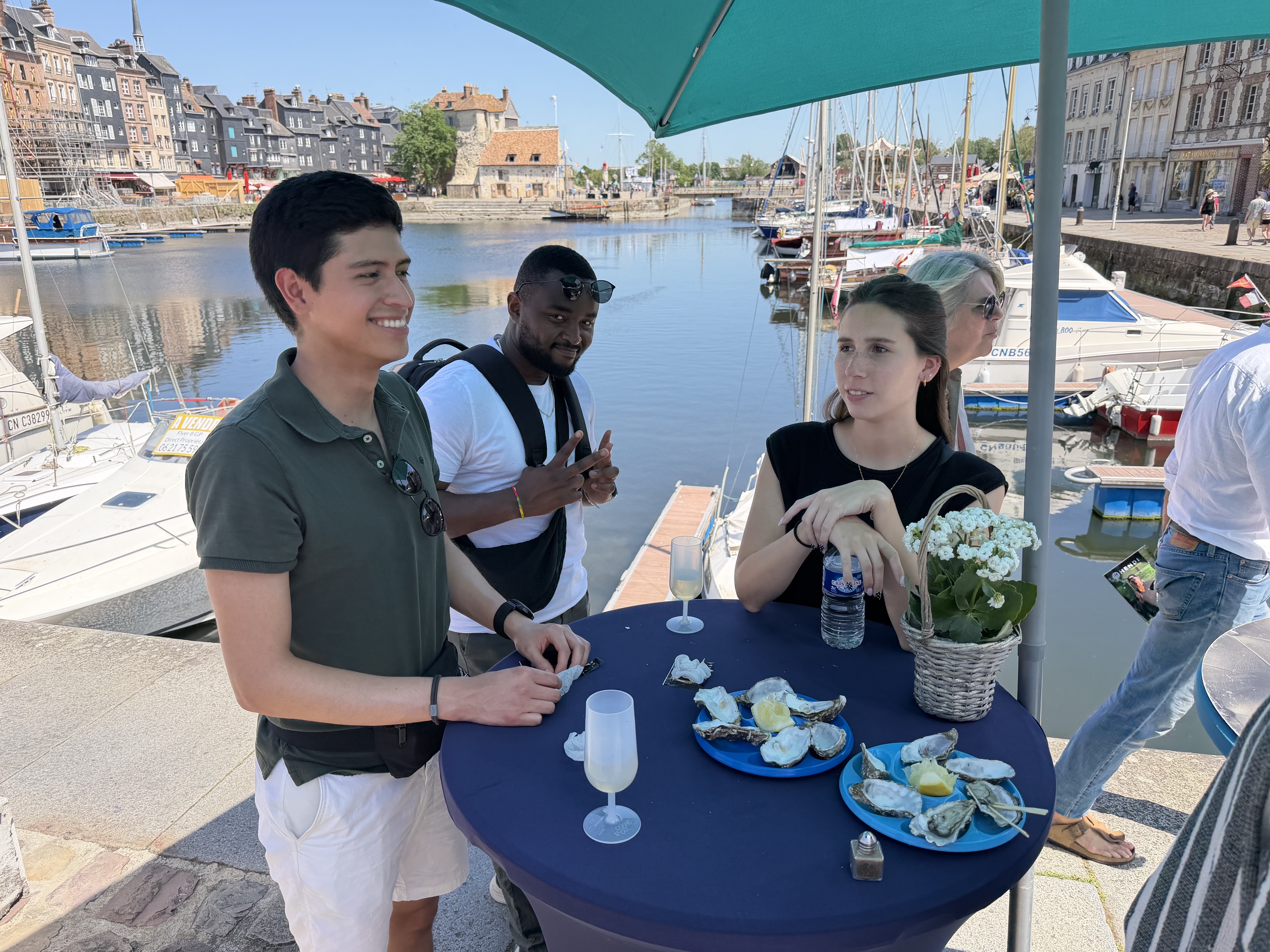
The experience extended well beyond the classroom. Students visited Monet’s home and gardens in Giverny, participated in a hands-on painting workshop, explored Rouen Cathedral and the Gros-Horloge, toured the Marché Saint-Marc, and traveled through Normandy and the Loire Valley to sites including Mont Saint-Michel, Château de Chenonceau, Étretat, and Honfleur.
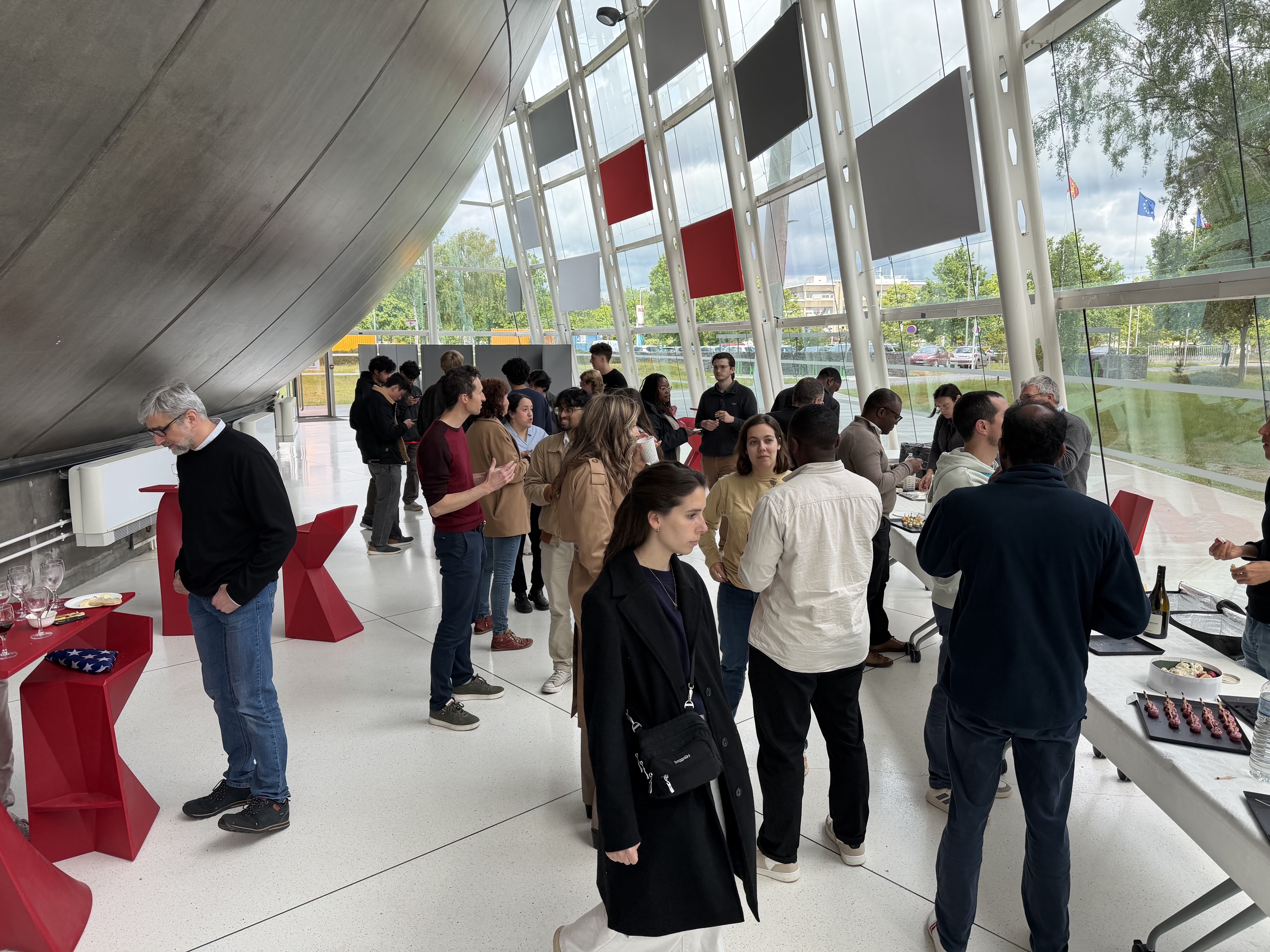
The program was made possible through the support of many collaborators. Special thanks go to Benoît Vieille, Laurent Delbreilh, Ronan Henry, Fabrice Barbe, and Xavier Sauvage for hosting the Purdue group and supporting its academic and research activities. Chris Poradka (Vieille) also provided a memorable introduction to Rouen’s Marché Saint-Marc, helping students experience the city beyond the university setting.
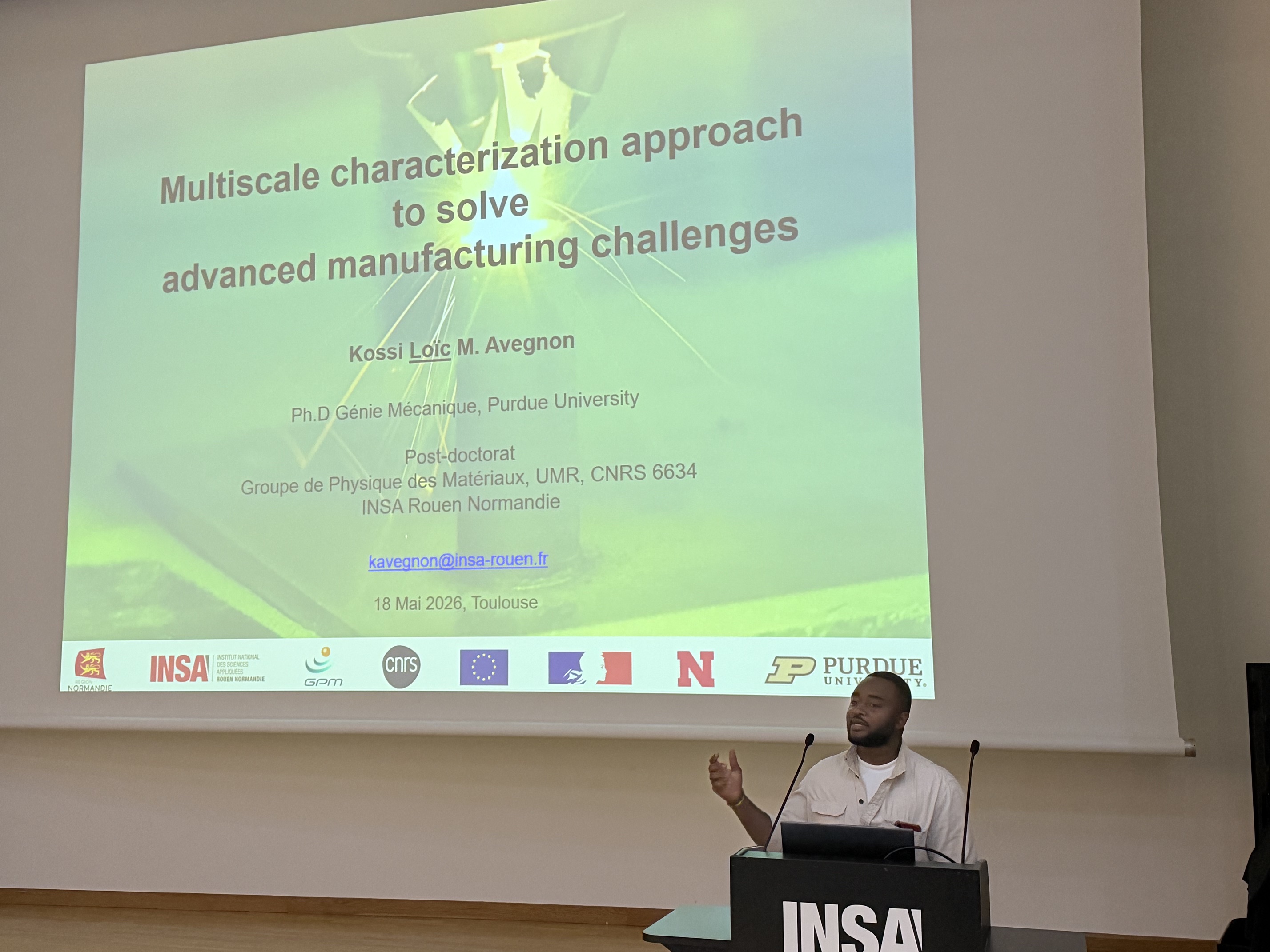
The group also benefited greatly from the guidance of Loic Avegnon, Yaa Baeta, and Véronique Hennebelle, who served as local guides throughout Paris and Normandy and helped students navigate the cultural and logistical aspects of the program. The official itinerary reflects their central role in orienting and accompanying the group throughout the trip.
Additional thanks go to Albert Patrick and Julia Davis for administrative support, and to Jill Churchill at Purdue and Cloé Piccamiglio at CEPA for their extensive work in planning and executing the international experience. Cloé served as CEPA’s program manager throughout the program.
The 2026 Maymester reinforced the program’s goal of giving students a truly interdisciplinary experience—one in which engineering is informed by art, manufacturing is placed in cultural context, and technical learning is strengthened through international collaboration and industry engagement.
Image Gallery