
|
|
|
|
|
|
Andrea's Research |
|
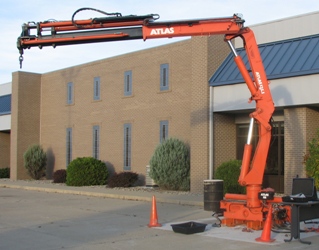
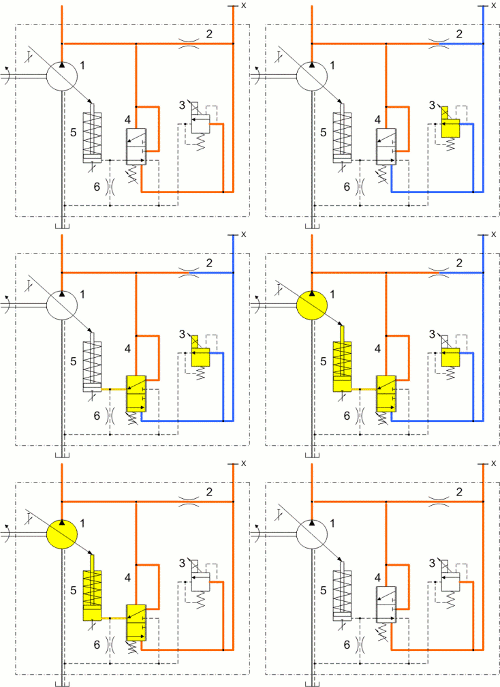
Systems/Components ModelingVarious activities have been performed concerning the modeling and testing of hydraulic systems and components (with particular reference to hydraulic valves). Some exemplifying projects are reported here (Download PDF). Concerning the valve modeling, the described projects show the capability of simulating not only the main phenomena related to the internal flow, but also the interaction between the internal parts (the mechanical elements and the electro-magnetical actuation system, if present) and between the other components present in the considered system. Moreover, the aspect related to the possible control strategies are accounted as well. In few cases, advanced optimization criteria have been used to improve current designs or to formulate new solutions. All developed models were validated on the basis of experimental measurements. For systems, the considered cases are pertinent to hydrostatic transmissions and to other hydraulic systems for mobile applications. In these cases, lumped parameters models were developed with the aim of analyzing the margin of improvements of current solutions and to design innovative systems. Hydraulic CraneIn order to perform an estimation of the energy consumption and possible improvements, a study was conducted on a reference crane by changing the settings. Two typical operating cycles were considered for the study, in order to investigate the overall operation of the machine (lifting/lowering, with/without load). A detailed AMESim model, created to model the behavior of the valve, supported this activity. After extensive testing, it was found that the energy consumption on the crane was indeed significantly reduced by the inclusion of the new control structure.
Mobile Hydraulic ApplicationsAlong with the testing of the control structure for vibration reduction on the hydraulic crane, applications in mobile hydraulic machinery have also been considered. The specific machine which was considered for this implementation is a wheel loader. Much like with the crane, computer simulations were conducted using a model of the wheel loader to determine the viability of using actuator motion to damp system vibrations. After the simulations showed positive results, experimental tests were conducted on a wheel loader. These tests have indicated that the control strategy is also capable of damping vibrations in mobile hydraulic applications.
|
Multimedia:Downloads: Videos: |
|
|
|
|
||||
|
© 2013 Maha Fluid Power Research Center | All Rights Reserved. |
||||

 HydrMachines@Maha.pdf