
AASHTO Fracture Control Plan and Revisions to LRFD Fatigue Design Specifications
Primarily in response to failures during the late 1960's and 1970's, the material, design, fabrication, shop inspection, and in-service inspection requirements were improved for steel bridges in general. Special provisions for fracture critical members (FCM) were later implemented in 1978 mainly in reaction to bridge collapses.
Fatigue Cracking and Inspection of High-Mast Lighting Towers
Recent failures of high-mast lighting towers in several states have raised questions as to the robustness and safety of the existing inventory of similar structures. Failure of these structures is very critical as they are typically located adjacent to Interstates or other high-speed highways.
NCHRP Project 10-72 - Bridge Deck Design Criteria and Testing Procedures
Although not often recognized for their significance by the motoring public, deck elements of highway bridges are important components for an efficient highway system. Robust performance of these components over the long-term is critical for smooth daily traffic operations as well as adequate bridge system performance during extreme events.
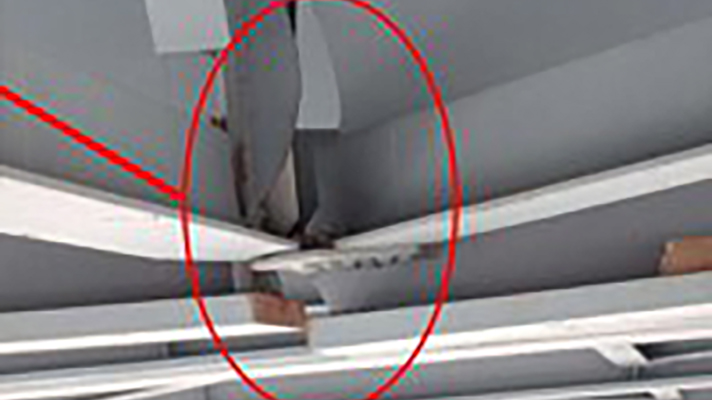
In-Service Inspection Frequency for Non-Load-Path Redundant Bridges
It is well recognized that the major impact on life-cycle costs is the additional mandate for hands-on in-service inspection of fracture-critical members. In fact for some owners, fracture-critical inspections consume a large fraction of the available inspection budget for a comparatively few structures. The cost of the fracture-critical inspection is typically 2 to 5 times greater than inspections for bridges without any FCMs.
Reliability Based Bridge Inspection
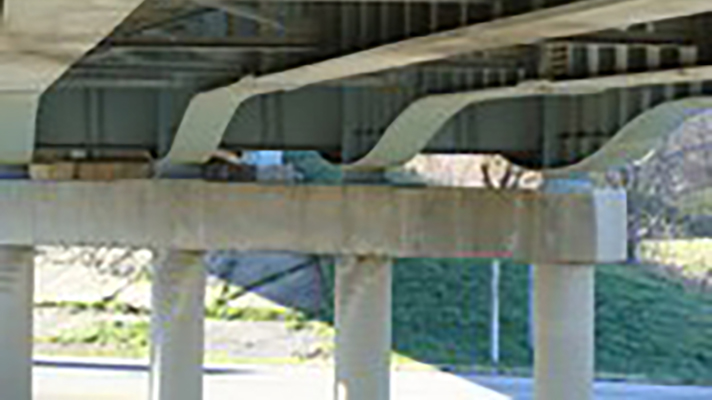
Currently, most bridges in the United States are inspected at a fixed calendar interval of 24 months, without regard to the condition of the bridge. Newer bridges with little or no damage are inspected with the same frequency as older, more deteriorated bridges thus creating inefficiency in the allocation of inspection resources. The objective of this project was to develop risk-based inspection practices to improve the safety and reliability of bridges and optimize resources for bridge inspection in Indiana.
Laboratory Testing of Railroad Flatcars For Use as Highway Bridges
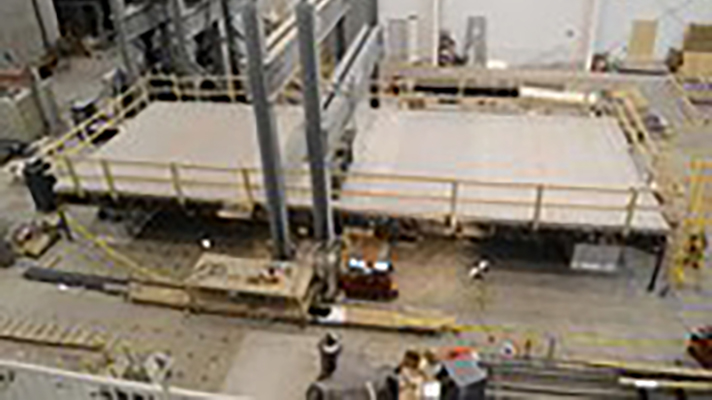
Several counties in Indiana use retired railroad flatcars for a bridge superstructure to replace existing deteriorating county bridges. There are over 130 railroad flatcar bridges in the state of Indiana. The main objective of this laboratory project is to provide greater confidence to county engineers when load rating these bridges by studying the ultimate strength and load redundancy of the bridge system. Testing in the laboratory creates the opportunities to test at larger loads, use a greater number of instrumentation, and simulate a controlled fracture test.
Development of Fatigue Loading and Design Methodology for High-Mast Light Poles
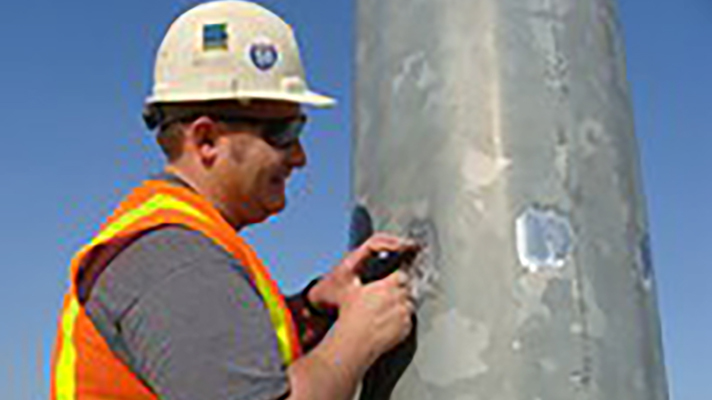
This research project investigated cyclical, wind-induced loads on high-mast light towers (HMLTs). Field and laboratory tests were performed to investigate the effects of wind gusts (i.e., buffeting), vortex shedding, and associated dynamic oscillations.
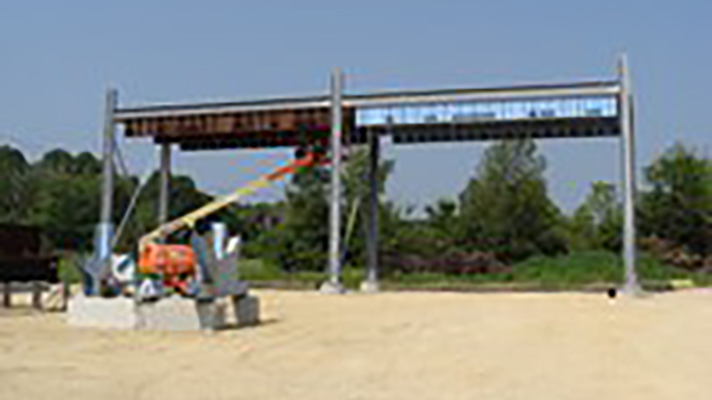
Probability of Detection (POD) Study for Bridge Inspection Related to Steel Brid
To determine the current performance of inspectors with the industry's present standards of training, a comprehensive Probability of Detection (POD) study is underway to determine the likelihood of inspectors finding cracks, surface corrosion and weld defects of various sizes on a bridge structure. This study will test multiple inspectorsâ abilities to identify different defects under various environmental conditions on a bridge structure. The study will provide state transportation agencies, as well as private inspection agencies, invaluable information regarding typical inspector performance. The outcomes will be used to establish procedures to improve inspection reliability, and develop inspector performance-based certification criteria and procedures.