Soft electronic systems
Flexible Bioelectronics
We design soft, stretchable, and lightweight electronic systems that can conform to the body and operate in mechanically demanding environments.
The FlexiLab at Purdue University
Soft robotics, wearable systems, smart textiles, and biomedical interfaces built for bodies, fabrics, and living systems.
Research
We are a team of scientists and engineers in the Departments of Industrial Engineering and Biomedical Engineering at Purdue University. Our work combines soft matter physics, surface chemistry, materials science, manufacturing, and device engineering to create technologies that are mechanically compliant, functional, and useful in real-world environments.
Soft electronic systems
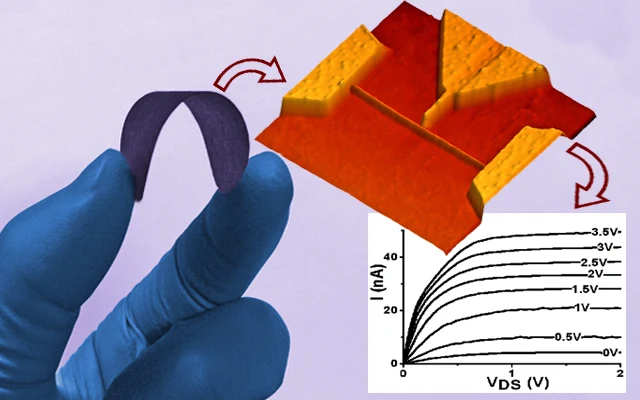
We design soft, stretchable, and lightweight electronic systems that can conform to the body and operate in mechanically demanding environments.
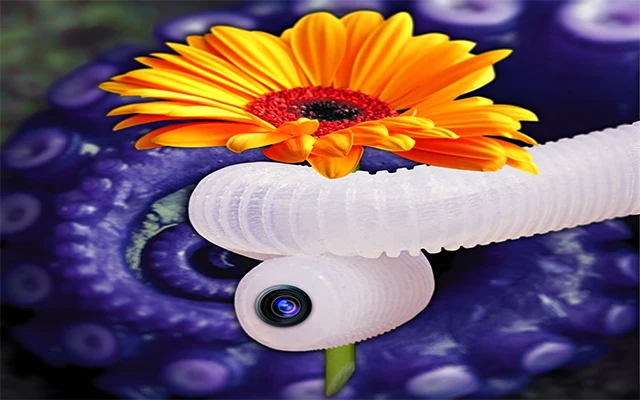
Bioinspired machines
We develop compliant robotic materials, actuators, and structures inspired by the adaptability of living systems.
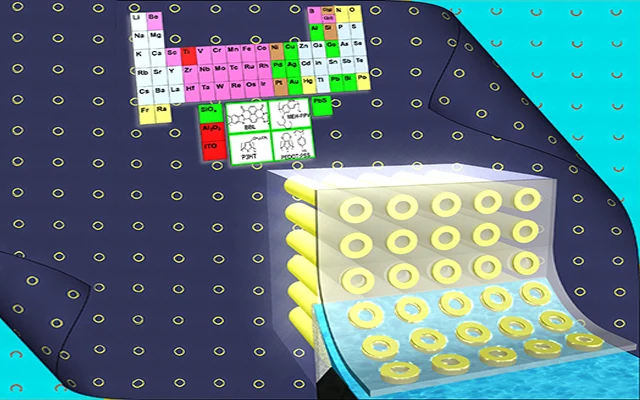
Textile-integrated systems
We explore textile-integrated devices for sensing, actuation, energy harvesting, and comfortable human-machine interfaces.
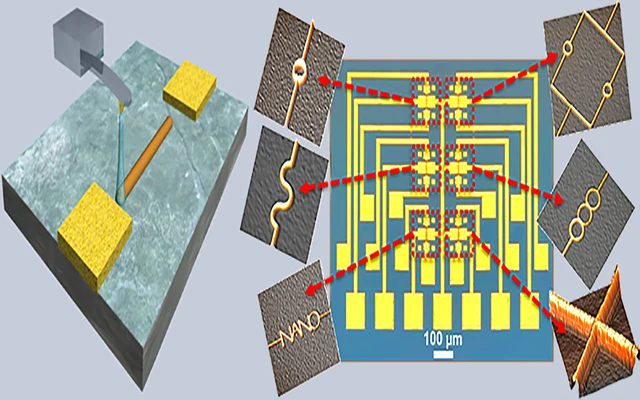
Scalable fabrication
We create manufacturing strategies for patterning and assembling materials at small scales, enabling new classes of flexible and functional devices.
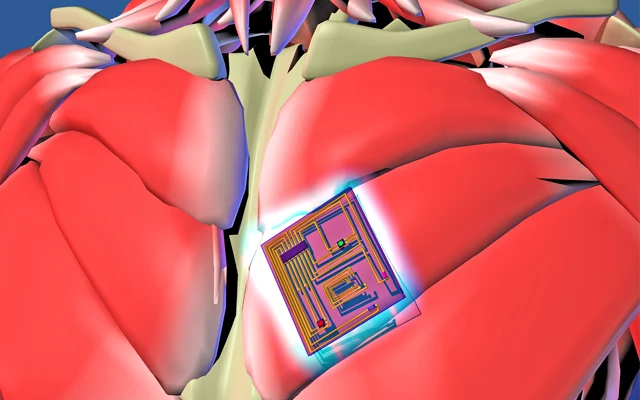
Human health technologies
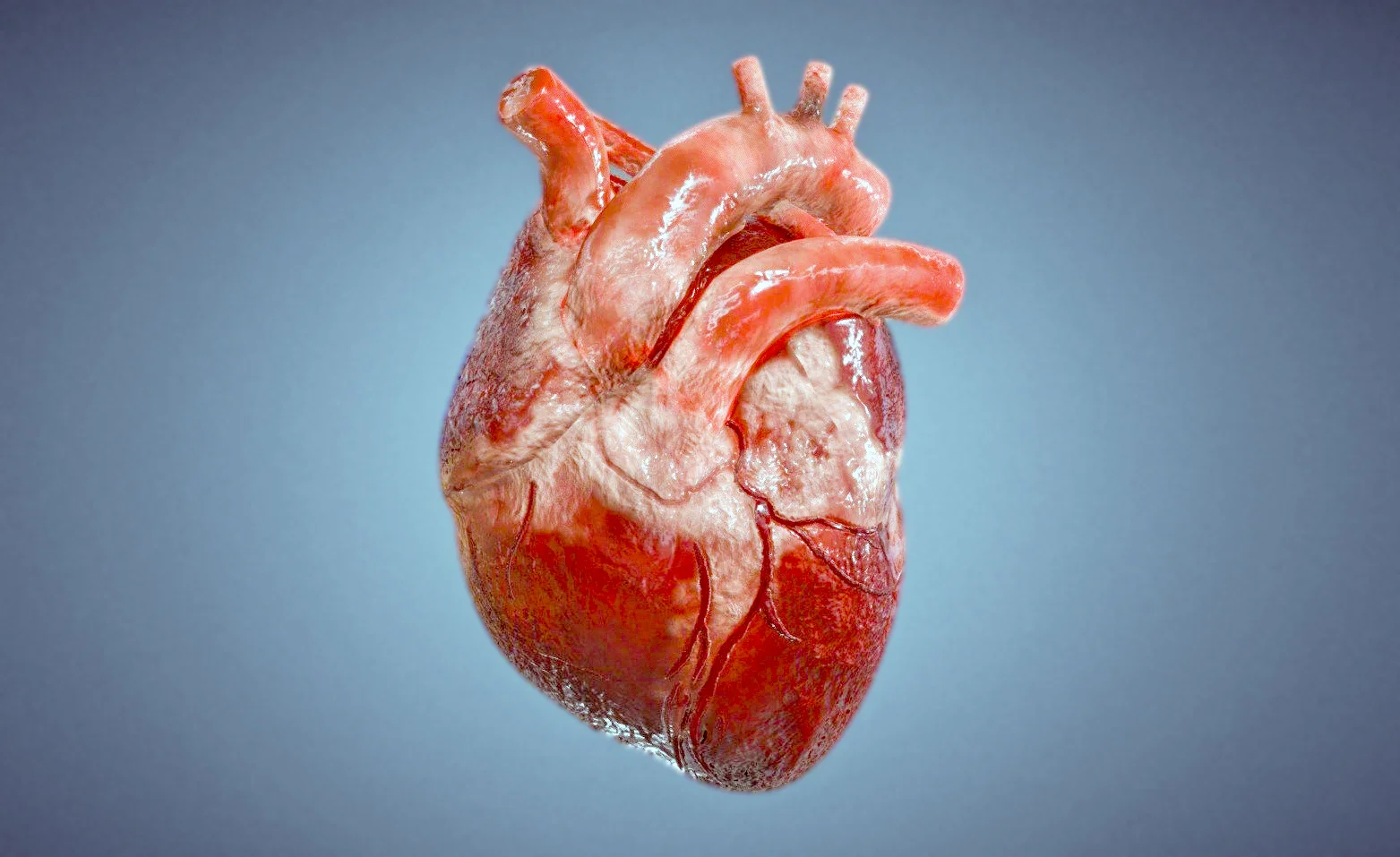
We build technologies motivated by human health, including wearable and implantable systems for monitoring, rehabilitation, and personalized medicine.

Interfaces and soft matter
We combine soft matter physics, surface chemistry, and materials science to tune how devices interact with tissues, fluids, and complex environments.
Selected impact
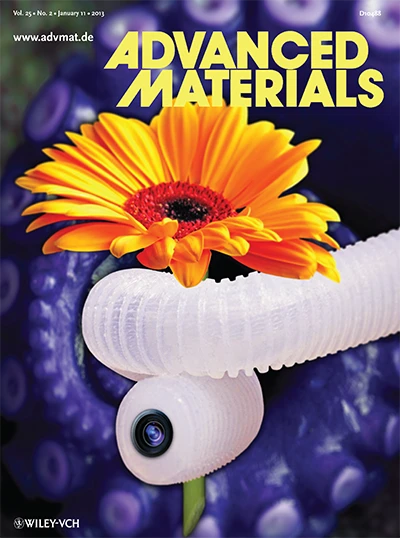
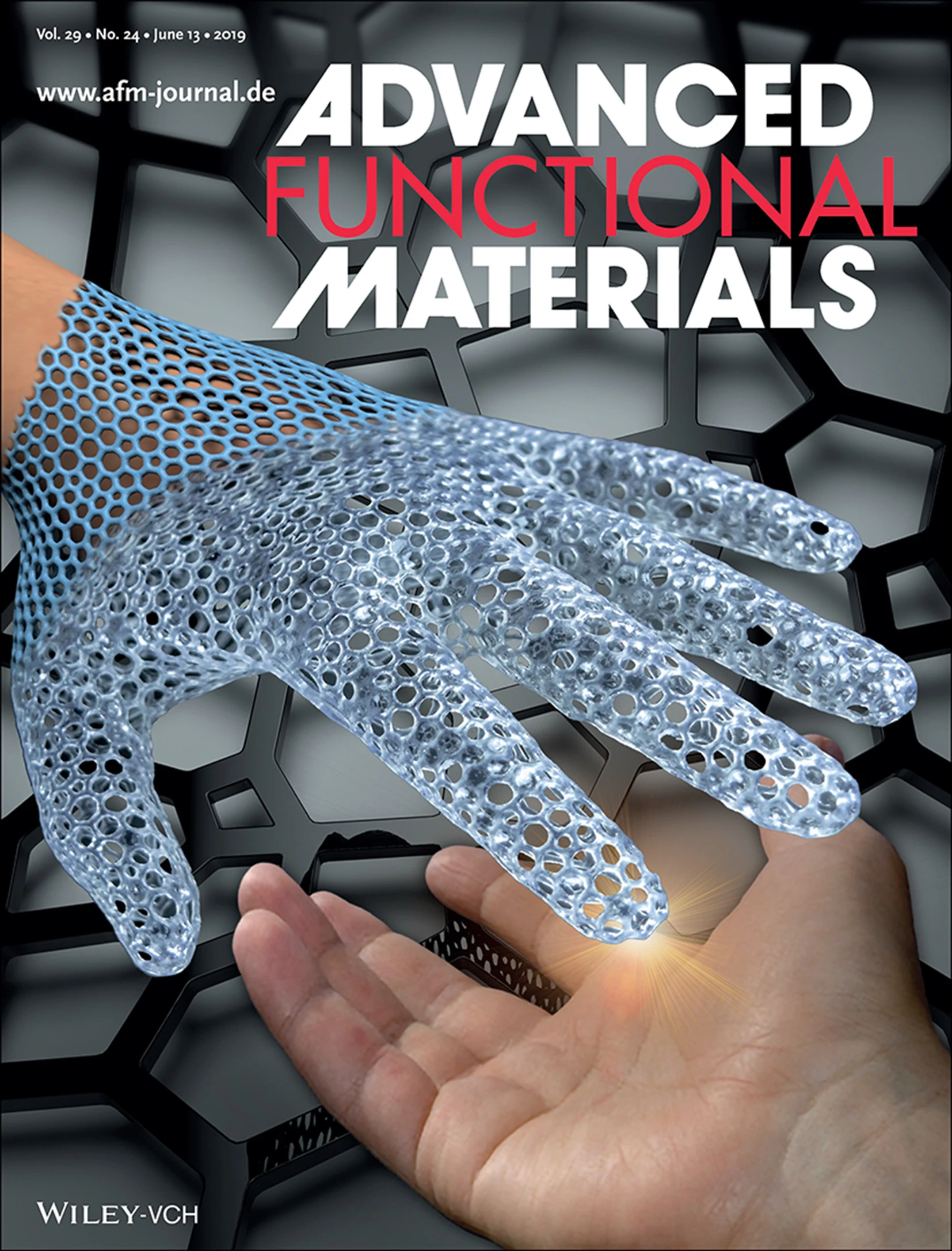
FlexiLab research has reached beyond the bench through journal covers, press stories, videos, and technologies that make complex science tangible. These selected covers capture a few moments from that larger body of work.


The FlexiLab
Science that makes a change.
Resources
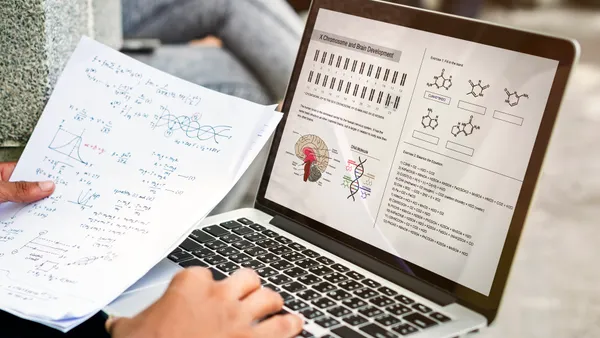
Explore short guides, blog posts, and learning tools for undergraduate students, including advice on research, scientific figure preparation, manufacturing processes, digital twins, and the habits that help students grow into independent researchers.
Explore resourcesLab Culture
We aim to conceptualize, develop, and implement new strategies for producing multifunctional flexible devices with advanced biomedical applications, including wearable and implantable systems that can adapt to tissue and body motion.
Meet the teamPurdue departments
research directions
to curious students
Team
FAQs
A few starting points for students who are curious about joining or learning from The FlexiLab.
Yes. Motivated undergraduate students are an important part of the lab. The best fit is usually a student who is curious, reliable, willing to learn, and excited to build things carefully.
Students from industrial engineering, biomedical engineering, mechanical engineering, materials science, physics, chemistry, electrical engineering, computer science, and related areas can all contribute. The work is interdisciplinary by nature.
The lab works on flexible electronics, soft robotics, smart textiles, wearable and implantable devices, nanomanufacturing, paper-based systems, photonics, and biomedical technologies.
Start with the Resources section. It will collect practical guidance on reading papers, preparing figures, learning manufacturing processes, understanding digital twins, and developing the habits needed for research.
Join or Collaborate
Students and collaborators are welcome to reach out. Tell us what you are curious about, what you would like to learn, or how your expertise could connect with the work of The FlexiLab.
Contact the lab
Science that makes a change.